



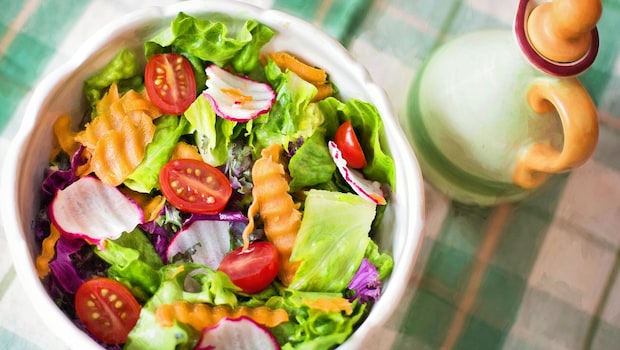
What's life without colour? Flat, dull, and uninspiring. The same goes for food. A plate lacking colour doesn't just look bland - it feels uninviting. We eat with our eyes long before we take the first bite. The moment we see and smell food, our brain kicks off a cascade of signals that prepare the body for digestion.
But beyond visual appeal, a colourful plate is a nutritional powerhouse. Nature paints fruits and vegetables in vibrant shades using plant pigments - over 2,000 of them, including flavonoids, carotenoids, and anthocyanins. These pigments are also known as phytonutrients, and while our body cannot produce them, they play a major role in protecting us from lifestyle diseases, inflammation, infections, and even certain cancers.
Let's explore what each colour brings to your plate and your health.
The Red Family: Powered By Lycopene
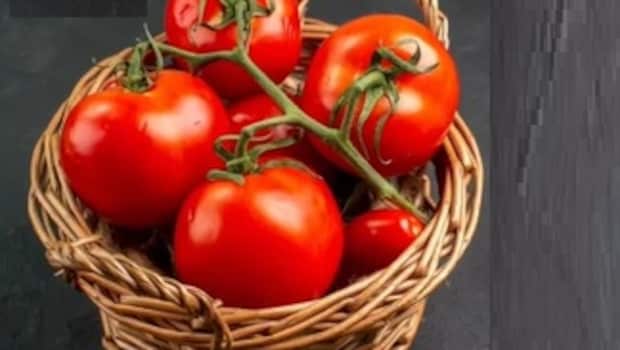
Red fruits and vegetables get their colour from lycopene, one of the most potent antioxidants known. Why do you want more red foods?
- Because they are the antioxidant superstar: Helps flush out toxins, fights infections, and protects cells from oxidative stress.
- They add eye protection: Indian studies show lycopene slows damage to the eye's macula.
- Red is linked to cancer protection: Strong links to reduced risk of prostate cancer and slower progression of breast cancer. It keeps you sane by protecting brain cells from oxidative stress.
- Finally, heart health: Helps regulate blood pressure and reduces inflammation - major risk factors for heart disease.
Top sources: Tomatoes (cooked or blended are best), watermelon, pink guava, grapefruit, red carrots.
Orange & Yellow: Your Skin, Eye & Immunity Boosters
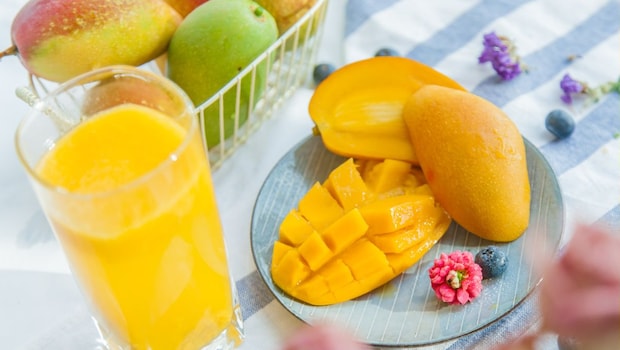
- These sunny colours come from beta-cryptoxanthin, a compound known for supporting cell communication and immunity.
- These are powerful antioxidants: Neutralizes free radicals that accelerate ageing, inflammation, and chronic diseases.
- They are pro-vitamin A: Converts efficiently to vitamin A - essential for eyesight and healthy skin.
- Immunity enhancer properties: Supports immune cell development and function, especially helpful in vegetarian diets where vitamin A intake may be low.
Top sources: Mangoes, papaya, oranges, pumpkin, and yellow capsicum.
The Greens: Chlorophyll & Detox Magic
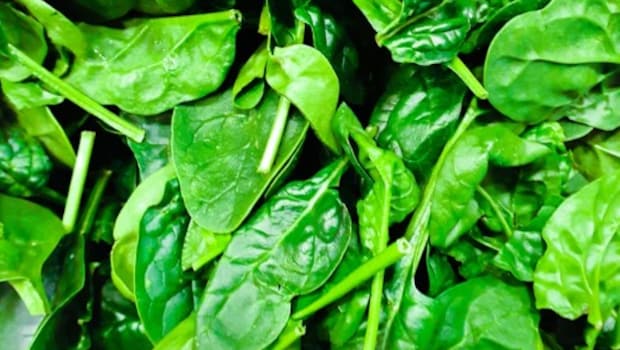
Green foods owe their colour to chlorophyll and carry some of the richest nutrient profiles in nature.
- Why greens matter: Beta carotene helps prevent atherosclerosis, cancer, vision loss, and DNA damage.
- The high fibre content supports gut health, lowers LDL cholesterol, and aids weight control.
- Most greens come with Vitamin K & potassium: Essential for blood clotting and blood pressure management.
- Sulforaphane and isothiocyanates support detoxification and protect colon health, and have properties that protect against cancer
Top sources: Spinach, broccoli, kale, moringa, methi, green herbs, asparagus, kiwi, cabbage, sprouts, green tea.
Blue & Purple: The Anthocyanin Advantage

These colours signal the presence of anthocyanins, powerful flavonoids packed with anti-inflammatory and antioxidant properties. Their effects on blood pressure control are documented, which reduces the risks of stroke and kidney disease. They have been documented to protect heart health by reducing cholesterol, inflammation, and plaque formation. Their antioxidant activity protects brain cells and improves cognitive function, and also prevents DNA damage and may slow or stop the growth of cancer cells.
Top sources: Blueberries, blackberries, purple cabbage, eggplant, grapes, plums, figs.
White & Brown: The Quiet Healers
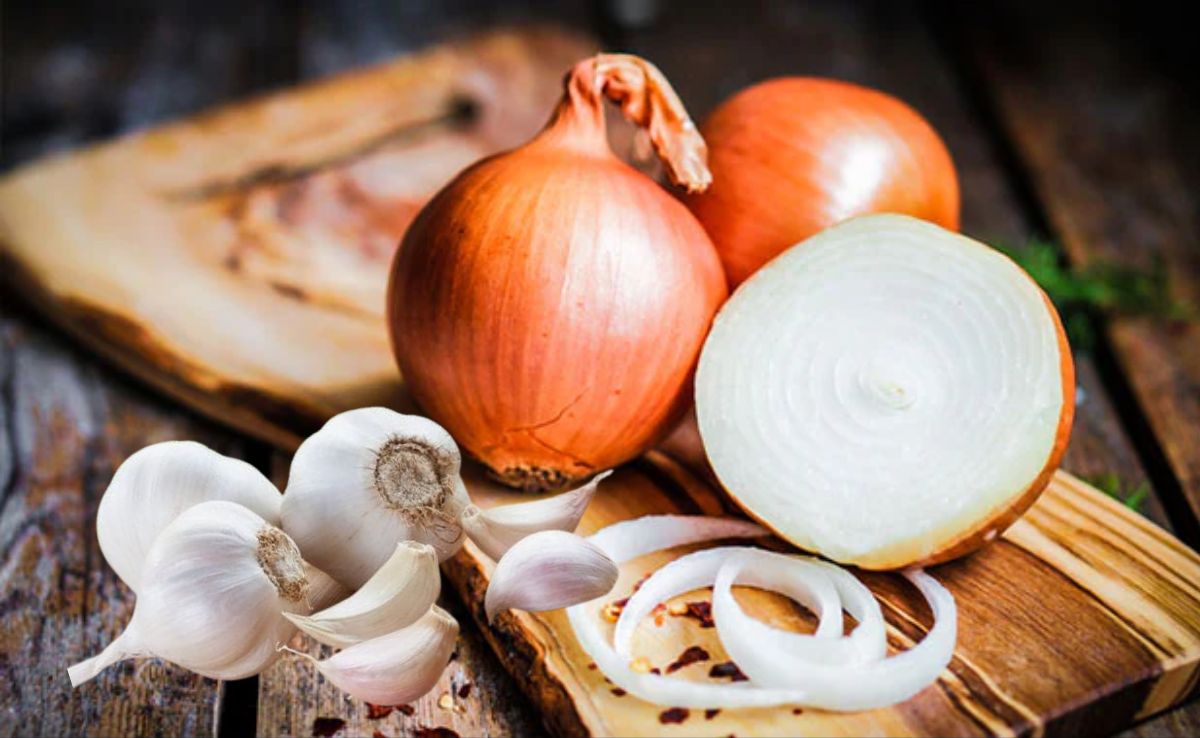
Don't underestimate the pale colours - they contain compounds like allicin, quercetin, and kaempferol, each with its own power. Allicin (garlic) is known for its antibacterial, antifungal, antioxidant, cholesterol- and BP-lowering properties. Quercetin acts as a strong antioxidant, anti-inflammatory, and supportive for allergies and heart health. Kaempferol is protective against heart disease and certain cancers.
Top sources: Garlic, onions, cauliflower, mushrooms, radish, and leeks.
How To Eat Your Rainbow Every Day
- Fill half your plate with vegetables.
- Eat two fruits daily.
- Choose seasonal, local produce for maximum freshness.
- Introduce one new colour every day.
- When planning meals, think in colours, not calories.
Science consistently shows that whole foods work far better than supplements when it comes to phytonutrients. A pill can't replicate the synergy of vitamins, minerals, fibre, and antioxidants found in natural foods. So make colour your daily nutrition goal.