




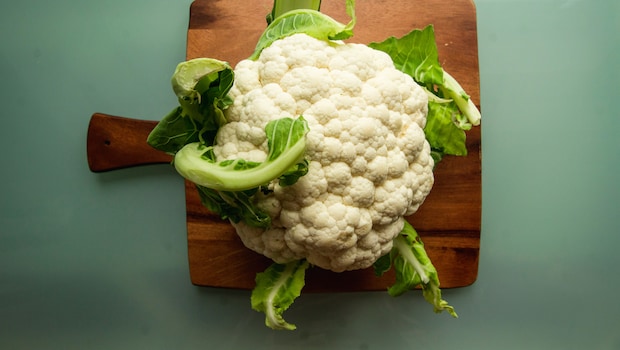
Cauliflower, or gobhi as we fondly call it, is a versatile vegetable that can be transformed into comforting curries, crispy fritters or even healthy stir-fries. However, cooking gobhi isn't as straightforward as it seems. Many home cooks unknowingly make mistakes that affect its texture, flavour and nutritional value. From overcooking to skipping essential steps, these errors can turn your dish from delightful to disappointing. If you want your gobhi recipes to shine, it's time to pay attention to the details. Here are some common mistakes you should avoid while cooking gobhi.
Also Read: How To Eat Cabbage And Cauliflower Without Feeling Gassy
Here Are 6 Mistakes To Avoid While Cooking Gobhi:
1. Not Drying Gobhi After Washing
Many people wash gobhi and toss it straight into the pan while it's still wet. This extra moisture leads to steaming rather than sauteing, making the florets soggy and diluting flavours. Always pat gobhi dry or let it air-dry before cooking to achieve that perfect texture.
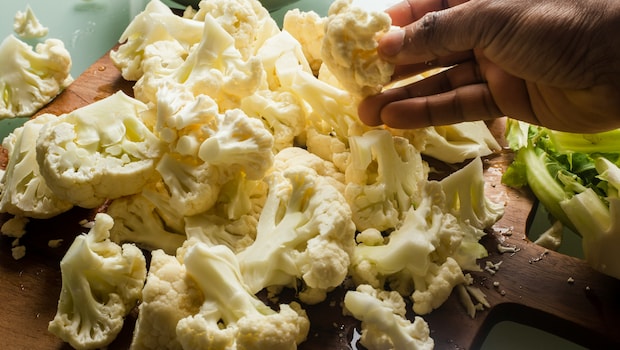
Photo Credit: Unsplash
2. Cutting Florets Unevenly
Uneven florets cook at different rates, leaving some pieces undercooked and others mushy. This inconsistency can ruin the overall mouthfeel of your dish. Take a few extra minutes to cut gobhi into uniform pieces for even cooking and better presentation.
3. Skipping High Heat For Roasting
When roasting gobhi, using low or medium heat is a common mistake. It prevents caramelisation, which gives gobhi its nutty flavour and crisp edges. Always roast at a high temperature to lock in flavour and create that irresistible golden crust.
4. Adding Salt Too Early
Salting gobhi at the start of cooking draws out its moisture, making it limp and watery. Instead, add salt midway or towards the end to maintain its firmness and prevent the dish from becoming soggy. This simple timing adjustment helps retain the vegetable's natural crunch.
5. Ignoring Resting Time After Cooking
Serving gobhi immediately after cooking might seem harmless, but it can affect flavour absorption. Allowing it to rest for a few minutes helps spices settle and enhances the overall taste. This small step can make your dish more balanced and aromatic.
6. Cooking Gobhi Without Preheating The Pan
Starting gobhi in a cold pan is a subtle mistake that affects its texture and flavour. When the pan isn't hot enough, the florets release moisture and begin to steam instead of sear, resulting in a bland dish. Preheating ensures quick caramelisation, giving gobhi that desirable golden-brown finish.
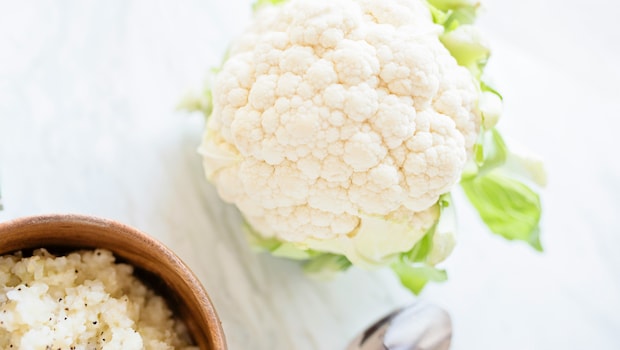
Photo Credit: Unsplash
More Gobhi Cooking Questions Answered
Should You Blanch Gobhi Before Cooking?
Blanching gobhi in hot water for a few minutes helps remove dirt, insects and any strong odour. It also preserves the vegetable's colour and texture, making your dish look and taste better.
Why Does Gobhi Turn Mushy While Cooking?
Gobhi becomes mushy if it's overcooked or if too much water is added during cooking. To avoid this, cook on medium heat, use minimal water, and keep an eye on the cooking time for a firm texture.
Also Read: Broccoli Or Cauliflower - Which Is Healthier? Nutritionist Reveals
How Can You Make Gobhi Crispy?
For crispy gobhi, ensure the florets are completely dry before cooking and roast them at high heat. Tossing gobhi with a little oil and preheating the pan or oven helps achieve that golden-brown crunch.
With these simple changes, you can transform your gobhi recipes into restaurant-quality dishes.