


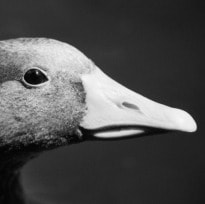
The strain of avian Influenza that caused deaths of thousands of duck in three districts of Kerala has been identified as H5N1. H5N1 is a highly contagious strain and can be fatal to humans. It is known to have caused the deaths of nearly 400 people and hundreds of millions of poultry in 2005-2006 when it spread from Asia into Europe and Africa.
The district administration and medical authorities held a review meeting in Alappuzha and worked out measures to step up surveillance and awareness around the affected areas. Teams of Rapid Response Force, comprising personnel of the Animal Husbandry and Health departments haveculled hundreds of ducks and burnt them. Birds were also culled in the affected areas of Kottayam and Pathnamthitta districts. The state government has announced a compensation of Rs 100 for birds that are less than two months old and Rs 200 for those older than two months. A three-member central team of experts, one of them being from the National Centre for Disease Control, visited the affected areas to scrutinize the situation and submit a report.The outbreak of the disease has caused a huge loss to poultry breeders, most of them being medium and marginal farmers. Located close to the backwaters with vast stretches of paddy fields, duck rearing has been a supplementary activity for farmers in the affected areas for generations. It has also cast a shadow over tourism as the area is the hub of houseboats and directions have been given to the houseboat industry to stop serving duck meat till further notice.

 Should Machines Decide Who Lives And Dies In A War? Ex-CIA Chief Answers
 Kriti Sanon Says Instagram Has No Option To Report AI-Generated Images Of Her
 What Anthropic, Monks And The Cusp Of Consciousness Teach About Tomorrow
 Nikhil Kamath's Big AI Bet: Why India Should Look Beyond Silicon Valley
 When Will India Get Its Own Apple, Samsung? Ashwini Vaishnaw Reveals Timeline
 Neeru Saini On Fitness, Focus & Her Love for Churma!
 NDTV Lifeline- Himanshu Saini on the Secret to Eating Well: More Greens, Healthier Desserts
 Hockey Champions Savita Punia & Neha Goel on Fitness, Recovery & The Meaning of Health
 Millets: The Superfood That's Good for You and the Planet
 Yoga, Millets, Vaccines: S Jaishankar On How India Is Building Stronger Ties | NDTV World Summit
The district administration and medical authorities held a review meeting in Alappuzha and worked out measures to step up surveillance and awareness around the affected areas. Teams of Rapid Response Force, comprising personnel of the Animal Husbandry and Health departments haveculled hundreds of ducks and burnt them. Birds were also culled in the affected areas of Kottayam and Pathnamthitta districts. The state government has announced a compensation of Rs 100 for birds that are less than two months old and Rs 200 for those older than two months. A three-member central team of experts, one of them being from the National Centre for Disease Control, visited the affected areas to scrutinize the situation and submit a report.The outbreak of the disease has caused a huge loss to poultry breeders, most of them being medium and marginal farmers. Located close to the backwaters with vast stretches of paddy fields, duck rearing has been a supplementary activity for farmers in the affected areas for generations. It has also cast a shadow over tourism as the area is the hub of houseboats and directions have been given to the houseboat industry to stop serving duck meat till further notice.