

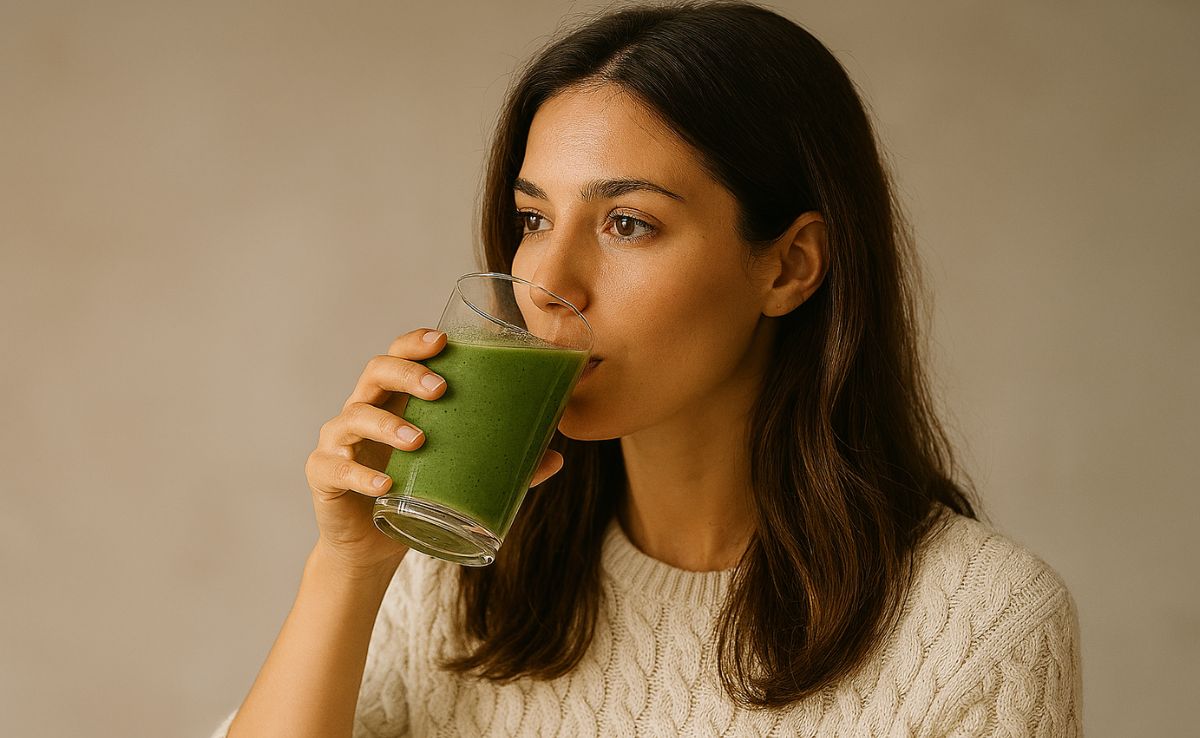
As the year comes to a close and New Year's Eve celebrations take over, indulgence is almost inevitable. Late night, rich food, alcohol, and erratic eating schedules often leave the body feeling bloated, dehydrated, and sluggish once the party ends. While there's no need to punish yourself for enjoying the festivities, giving your system a short, sensible reset can make a big difference. According to consultant nutritionist Rupali Datta, a detox doesn't mean starving or relying on extreme juice cleanses. “A good detox is about simplifying meals, hydrating well, and allowing the digestive system to recover,” she explains. This expert-approved three-day detox plan focuses on smoothies, fruits, vegetables, light protein, and hydration to help your body gently bounce back after New Year celebrations. So, if you have plans to party to welcome the New Year with a blast, follow this detox plan post-festivities to get right back on track.











Also Read: 6 Refreshing Detox Drinks To Beat Your Post-New Year's Eve Hangover
Common Signs You Need A Detox
Photo: Unsplash
Here are some common signs that you need a detox after your New Year indulgence:
- Persistent bloating or discomfort after meals
- Unusual fatigue or sluggishness despite adequate sleep
- Frequent acidity or indigestion
- Sugar cravings or constant snacking urges
- Puffy face or water retention after salty or heavy foods
Why A Short Detox Helps After Festive Indulgence
After days of rich meals and endless celebrations, it's common to feel sluggish, bloated, or simply off balance. Those signals often mean your body is asking for a pause. A short detox isn't about extreme diets or deprivation, it is about giving your system a chance to recover and restore its natural rhythm. Even a brief reset can help you feel lighter, more energised, and ready to get back on track. Wondering how to do it without going overboard? We have got simple, practical ideas coming up.
Day 1: Ease Your Digestive System Into Detox Mode
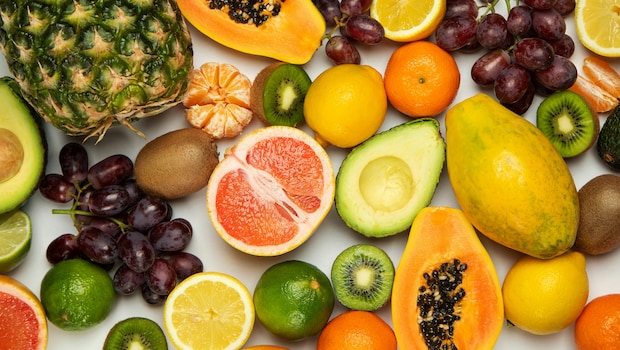
Photo: Unsplash
The first day of detox is all about calming your gut and reducing digestive load. After days of overeating, the body responds best to light, easy-to-digest foods. Rupali Datta advises starting with hydration and gentle nourishment rather than skipping meals altogether. “Day one should feel soothing, not restrictive,” she notes.
What To Eat And Drink On Day 1:
- Start your morning with fennel (saunf) water to reduce bloating and support digestion
- Breakfast: A light fruit smoothie made with banana, papaya, or berries blended with water or thin buttermilk
- Lunch: Fresh fruits in moderate portions
- Dinner: Light protein such as boiled eggs, paneer, tofu, or moong dal
Drink plain water consistently throughout the day
- Avoid red meat, fried foods, heavy spices, and packaged snacks
Day 2: Focus On Vegetables And Deep Hydration
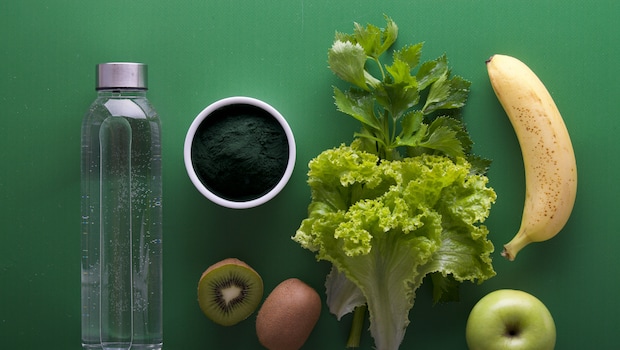
Photo: Unsplash
Day two shifts the focus to vegetables and hydration, helping the body flush out toxins while replenishing essential nutrients. According to Rupali Datta, vegetables provide fibre, antioxidants, and minerals that support detoxification and gut health. “This is the day to load up on vegetables while keeping cooking simple and oil minimal,” she explains.
What To Eat And Drink On Day 2:
- Begin the day with a green smoothie using spinach, cucumber, apple, or pear blended with water
- Meals: Steamed, sautéed, or lightly cooked vegetables, vegetable soups, or mild salads
- Use minimal oil and mild seasoning
- Keep sipping water throughout the day
- Include detox water, starting with fennel water in the morning and transitioning to ginger-infused water by evening
Day 3: Reintroduce Light Protein For Balance
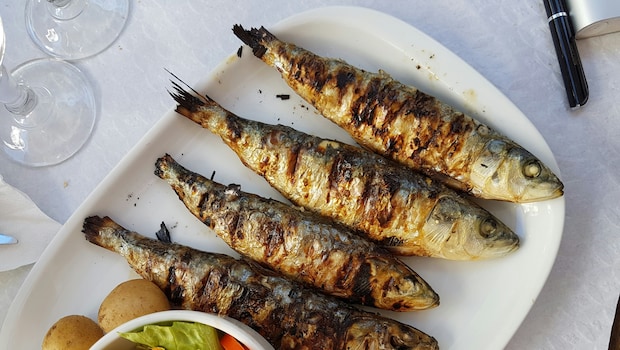
Photo: Unsplash
The third day helps transition your body back to regular eating while maintaining the benefits of detoxing. Rupali Datta recommends continuing with vegetables and adding light protein to support muscle repair and energy levels. “Protein is important, but it should be light and easy to digest during a detox phase,” she says.
What To Eat And Drink On Day 3:
- Breakfast: A simple fruit or vegetable smoothie
- Lunch: Vegetable-based meals with minimal spices
- Dinner: Light protein such as grilled fish, paneer, tofu, curd, or lentils
- Avoid red meat, heavy gravies, and very fibre-rich meals at night
- End the day with ginger water and maintain steady hydration with plain water
Hydration Is The Most Important Part Of Any Detox
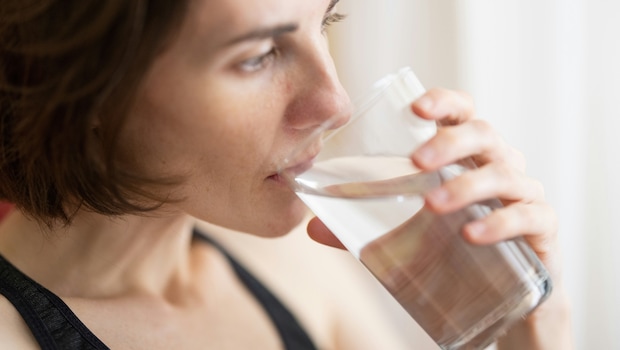
Photo: Unsplash
Hydration remains constant across all three days. While coconut water and herbal drinks can help, Rupali Datta stresses that nothing replaces plain water. “Water supports kidney function, helps flush out toxins, and prevents dehydration caused by alcohol and salty foods,” she explains. Detox waters with fennel or ginger can aid digestion, but they should complement—not replace—regular water intake. Sipping water throughout the day is more effective than drinking large amounts at once.
Foods To Avoid During The 3-Day Detox
To get the best results, Rupali Datta advises avoiding:
- Red meat and heavy protein
- Fried and spicy foods
- Packaged and ultra-processed snacks
- Excess sugar and desserts
- Alcohol and sugary beverages
Also Read: New Year's Eve: What To Eat Before You Drink To Prevent A Hangover
Lifestyle Tips Beyond Food

Photo: Unsplash
Just a diet won't suffice for your detox plan. You need to incorporate some lifestyle tips too to get efficient results. Here's what you need to do:
- Stay Active: Light exercise like walking or yoga helps circulation and digestion
- Prioritise Sleep: Aim for 7–8 hours to support natural repair and detox processes
- Manage Stress: Deep breathing or short meditation sessions reduce cortisol spikes
- Limit Alcohol and Caffeine: Give your liver a break while detoxing
- Digital Detox: Reduce screen time for mental clarity and overall well-being
Keeping meals simple allows your digestive system to focus on recovery rather than overload. So, follow this detox plan to start your New Year on a happy and healthy note!