







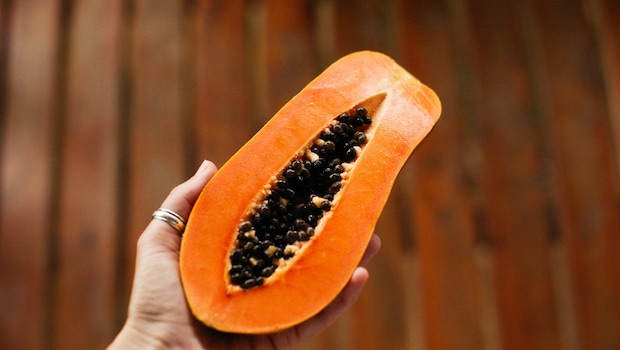
Papaya is often described as a tropical superfruit, and for good reason. With its bright colour, naturally sweet taste, and rich nutritional profile, it is widely consumed across Indian homes. High in fibre, antioxidants, and the digestive enzyme papain, papaya is known to support digestion, immunity, and skin health. It works well in fruit bowls, smoothies, and even savoury preparations. However, despite its many benefits, papaya is not suitable for everyone. In certain situations, consuming papaya may lead to discomfort or health concerns. Knowing who should be cautious helps make food choices safer and more informed.
Also Read: Boiled Papaya vs Raw Papaya: Which One Is Healthier? Let's Find Out
Here Are 4 Types Of People Who Should Be Careful With Papaya, According To Experts:
1. Pregnant Women
Raw or semi-ripe papaya contains latex, which may stimulate uterine contractions. This can increase the risk of complications during pregnancy, particularly in the early months. Nutritionist Rupali Datta explains that unripe papaya contains compounds that can stimulate the uterus and should be avoided completely during pregnancy. Fully ripe papaya, when eaten in very small quantities, may be better tolerated by some, but medical guidance is strongly recommended before including it in a pregnancy diet.
Ripe Papaya vs Raw Papaya: Why Maturity Matters
One of the biggest reasons papaya gets mixed reactions is that not all papaya behaves the same in the body. Raw or semi-ripe papaya contains higher amounts of latex, a sticky substance that can irritate the digestive system and, in certain cases, trigger uterine contractions. This is why unripe papaya is commonly flagged as unsafe during pregnancy. Fully ripe papaya, on the other hand, has significantly lower latex content and is softer, sweeter, and easier to digest. Rupali Datta points out that many concerns around papaya stem from its stage of ripeness rather than the fruit itself, making this distinction especially important.
2. People With Latex Allergy
Papaya naturally contains latex, which can trigger allergic reactions in sensitive individuals. Symptoms may range from itching and skin rashes to swelling of the lips or breathing discomfort. People who are allergic to latex or fruits like avocado, banana, and kiwi are more likely to react to papaya as well. Rupali Datta notes that food-related latex allergies can sometimes appear unexpectedly, making it important to avoid papaya completely if any symptoms occur after consumption.
3. Individuals With Thyroid Disorders
People with hypothyroidism or other thyroid conditions may need to be cautious with papaya intake. Research published in the Journal of Clinical Endocrinology & Metabolism suggests that certain plant compounds can interfere with iodine absorption, which is essential for thyroid hormone production. Papaya contains phytochemicals that, when consumed in excess, may contribute to this effect. Rupali Datta explains that occasional intake is unlikely to cause harm, but frequent or large portions may not be advisable for those managing thyroid disorders.
4. People On Blood-Thinning Medication
Papaya is rich in vitamin C and also has mild blood-thinning properties. When combined with anticoagulant medicines, this may increase the risk of excessive bleeding. Nutrition experts often recommend monitoring foods that can amplify blood-thinning effects. Rupali Datta advises that people on such medication should consult their doctor before adding papaya regularly to their diet, especially in raw or juice form.
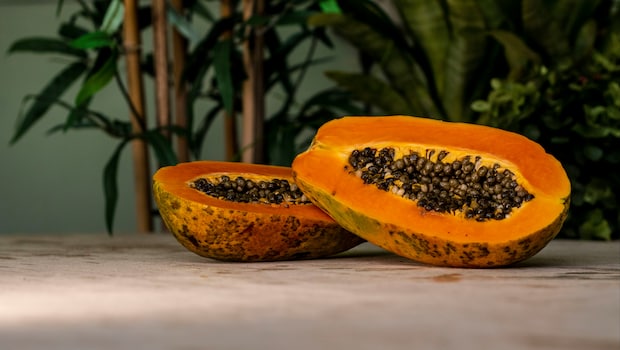
Photo Credit: Unsplash
How Much Papaya Is Safe To Eat In A Day
For most healthy adults, papaya can be consumed safely when eaten in moderation. A small bowl of ripe papaya, roughly 100 to 150 grams, is generally sufficient to enjoy its benefits without stressing the digestive system. Overeating papaya, particularly on an empty stomach or in juice form, may lead to bloating or loose stools due to its enzyme content. Rupali Datta notes that fruits containing digestive enzymes work best when eaten as part of a meal rather than in large quantities, helping papaya remain supportive rather than disruptive.
While Papaya May Not Suit Everyone, It Is Still Nutritious For Most People
Papaya being unsuitable for certain groups does not take away from its nutritional value for the majority. For people without the above conditions, papaya remains a nutrient-dense fruit that can be included in a balanced diet when eaten mindfully.
1. Supports Digestion
Papaya contains papain, a natural enzyme that helps break down proteins and supports digestion. This makes it helpful for people who experience occasional bloating or heaviness after meals. Rupali Datta explains that enzymes like papain can support digestive comfort but should not be viewed as treatments for chronic digestive conditions.
2. Boosts Immunity
Rich in vitamin C, papaya supports immune health and helps the body fight infections. A single serving can provide a significant portion of daily vitamin C needs. Its antioxidants also help reduce inflammation, which plays a role in long-term health.
3. Promotes Healthy Skin
Papaya contains antioxidants such as beta-carotene and vitamin A, which help reduce oxidative stress. Regular intake may support skin health by improving texture and reducing dullness over time.
4. Supports Heart Health
High fibre content and antioxidants in papaya help manage cholesterol levels, while potassium supports healthy blood pressure. Together, these factors contribute to heart health when papaya is part of a varied diet.
5. Helps With Weight Management
Low in calories and high in fibre, papaya helps you feel full for longer. Its natural sweetness can also help curb cravings for sugary snacks, making it useful for mindful eating rather than restrictive dieting.
Also Read: Why Eating Papaya At Night Could Help You Lose Weight And Sleep Better
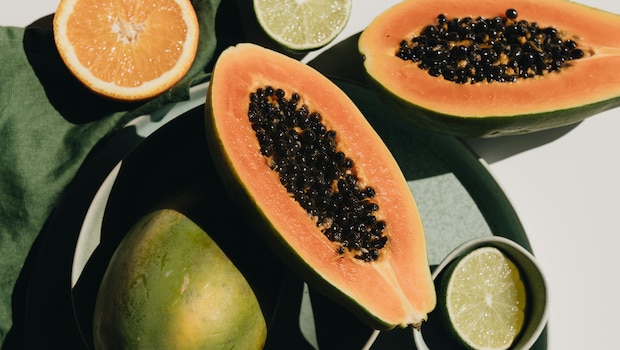
Easy Ways To Include Papaya In Your Diet
If you are not in a risk group, papaya can be enjoyed in simple, everyday ways:
- Add ripe papaya cubes to a fresh fruit bowl with seasonal fruits.
- Blend papaya with yoghurt, ginger, or honey for a digestion-friendly smoothie.
- Add papaya slices to oats or granola for natural sweetness.
- Use papaya in a salsa with lime juice, chilli, and coriander as a side dish.
- Freeze papaya puree into popsicles for a light dessert.
Papaya is a nutrient-rich fruit with several health benefits, but it is not suitable for everyone. Pregnant women, people with latex allergies, thyroid disorders, or those on blood-thinning medication should approach it with caution. For most others, papaya can be a refreshing and nourishing addition to the diet when eaten in moderation and with awareness.