



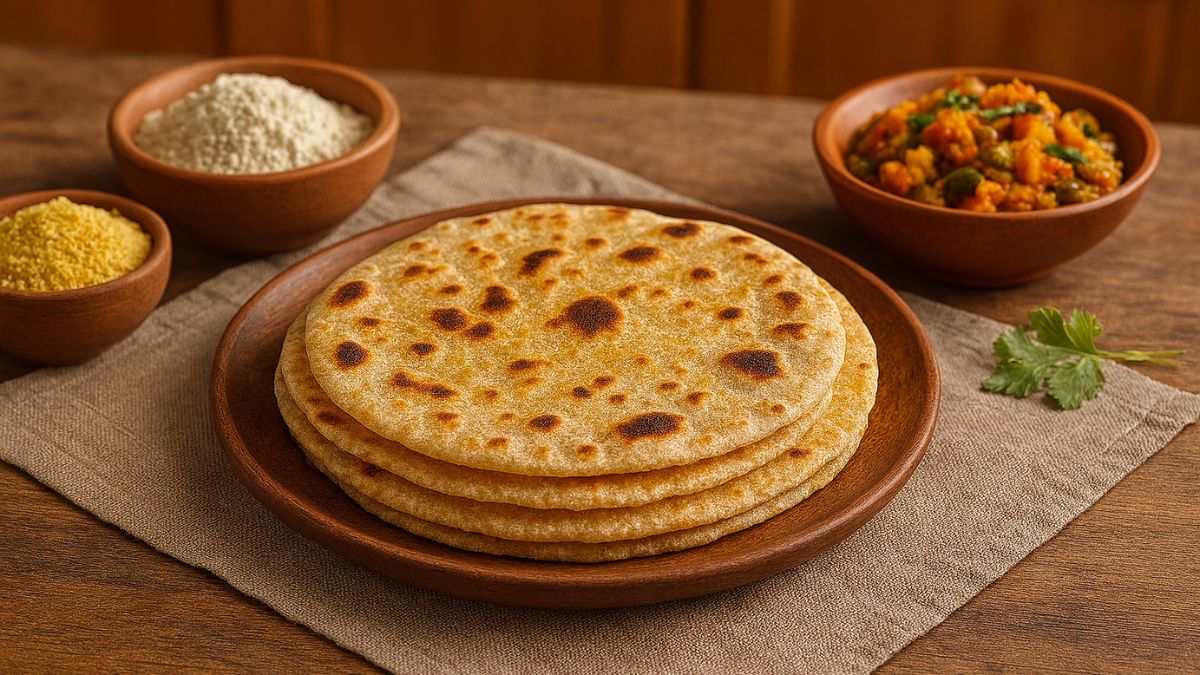
Winter is the season for hearty, comforting meals, and rotis are a staple that rarely change. A simple tweak like adding besan to your chapati atta, can make them more nourishing without altering your routine. Gram flour brings warmth and a subtle nutty flavour, turning everyday rotis into a wholesome upgrade for cold days. It's an easy way to boost nutrition and variety using an ingredient that's already a part of most Indian kitchens. Here are 5 healthy reasons to make it an addition to your winter diet:
Also Read: Amla + Black Pepper: How This Powerful Combo Can Work Wonders For Your Health
What Makes Besan A Great Addition To Your Chapatis In Winter
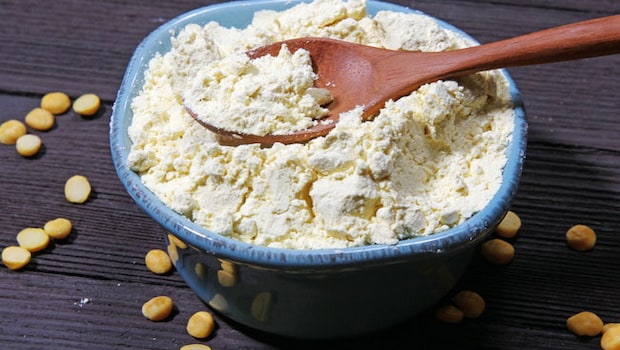
When temperatures drop, the body naturally craves foods that feel filling and energising. Besan adds density and depth to rotis, making them more satisfying and perfectly suited for winter meals. Its warming nature complements seasonal vegetables and dals, creating plates that feel both hearty and balanced. For anyone looking to make simple meals more nourishing without extra effort, besan is a smart, traditional choice.
Here Are 5 Benefits Of Adding Besan To Your Regular Chapati Atta
1. Improves Protein Intake Without Changing Taste Much

As per the official website of the USDA, 100 grams of besan contains 22 grams of protein, while 100 grams of wheat flour has 14 grams. This makes besan a useful addition to everyday rotis. When mixed in small amounts with regular atta, it boosts the protein content without overpowering the flavour or altering the texture drastically. This is particularly helpful for people who rely heavily on rotis as a main source of energy. The added protein helps make meals more balanced, especially when vegetables or simple dals are part of the plate, without requiring major changes to what you already cook.
2. Keeps You Fuller For Longer
The combination of protein and fibre (having 10.8 grams of it, as per USDA) in besan slows digestion compared to plain wheat flour. Rotis made with a wheat and besan mix tend to be more satisfying, which may help you stay full for longer hours after a meal. This can be useful for those who experience frequent hunger or snack cravings between meals. The slower digestion also means steadier energy levels, making besan-mixed rotis a practical choice for both lunch and dinner.
3. Supports Better Blood Sugar Control

As per a 2012 research paper, Besan has a glycaemic index of 6 which is much better than refined flours and digests more gradually. When added to chapati atta, it can help slow the release of glucose into the bloodstream after a meal. This may reduce sharp post-meal sugar spikes, especially when rotis are paired with fibre-rich sabzis or proteins. While it is not a medical solution, this simple flour mix can support better blood sugar balance as part of an overall mindful eating pattern.
4. Adds Variety To Daily Nutrition
Eating the same flour every day can limit the range of nutrients you consume. Besan brings in additional micronutrients such as iron, magnesium and folate, which wheat flour alone does not provide in significant amounts. Mixing besan into chapati atta is an easy way to add variety to daily nutrition without changing your cooking style. It works well for people who prefer simple meals but still want a more diverse nutrient profile from staple foods.
5. Makes Rotis Softer And More Satisfying

When used in the right proportion, besan can improve the texture of rotis, making them slightly softer and more flavourful. The mild, nutty taste adds depth without feeling heavy. Many people find besan-mixed rotis more satisfying, which can reduce the need for extra ghee or accompaniments. The key lies in balance, as too much besan can make rotis dense or harder to roll.
Also Read: This 20-Minute Besan Laddoo Recipe Tastes Just Like The Traditional One
Best Ratio Of Besan To Use In Chapati Atta
Here's how you can make the perfect wheat-besan rotis at home:
- Replace 10–20 per cent of wheat flour with besan for everyday use.
- This equals 1–2 tablespoons of besan per cup of atta.
- Keeps the dough easy to knead and roll while adding nutrition.
- Beginners should start small and adjust based on taste and digestion.
Who Should Avoid Besan-Mixed Rotis
- People with frequent bloating, acidity, or digestive discomfort.
- Anyone with chickpea or legume allergies.
- Those with a sensitive gut or recovering from digestive issues should introduce besan gradually or consult a professional.
Digestion Tips For First-Time Users
Adding besan to your rotis can be an immediate fibre overload for your body. Here are some tips to digest besan rotis properly if you are having them for the first time:
- Start with small amounts and monitor your body's response.
- Knead dough well and avoid thick rotis.
- Pair with cooked vegetables instead of raw sides initially.
- Drink plenty of water and keep meals simple for easy adjustment.
So, what are you waiting for? Go add besan to your rotis and nourish your bodies from within!
About Nikita NikhilMeet Nikita, a passionate soul with an insatiable love for two things in life: Bollywood and food! When she's not indulging in binge-watching sessions, Nikita can be found behind the lens capturing moments or expressing her creativity through painting.