

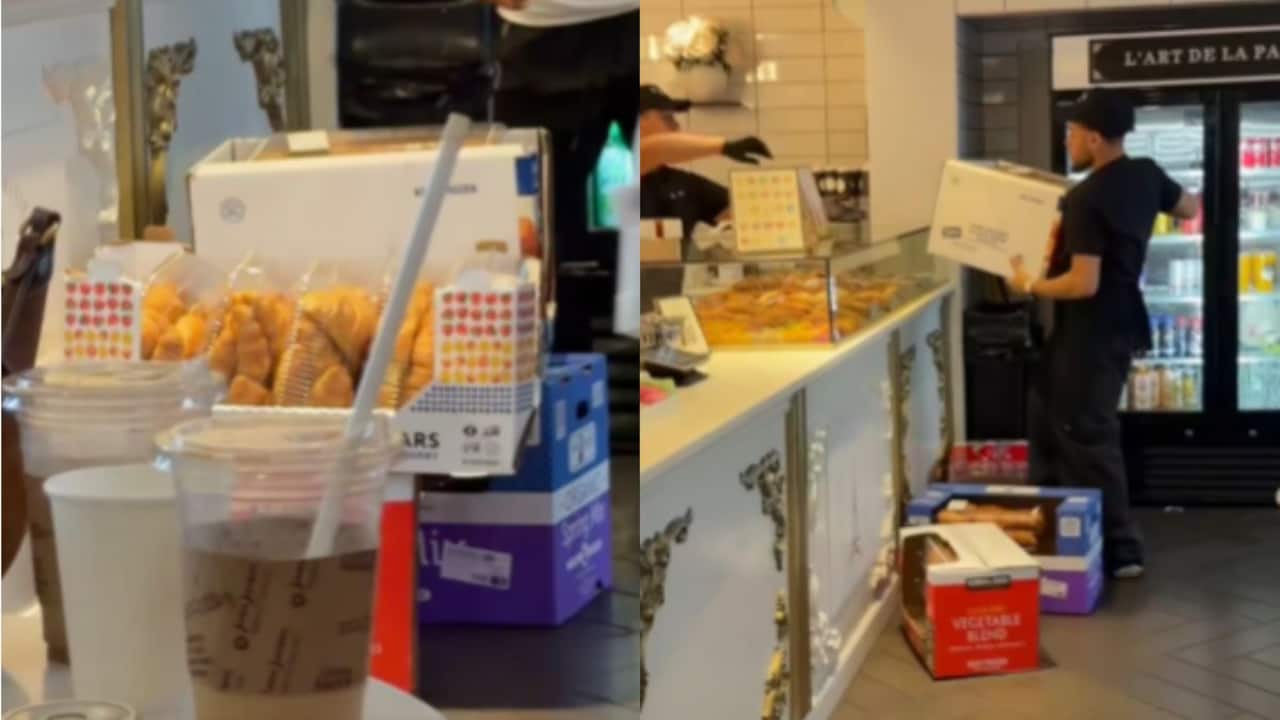
A viral social media video has reignited an uncomfortable question for diners everywhere: when a cafe or restaurant claims a food item is freshly made in-house, is it always telling the truth? The debate resurfaced after a customer shared a video from Le Parisien Bakery in New York City, alleging that the croissant she purchased for around USD 12 came from Costco rather than being baked in-house. She spotted a delivery worker bringing in identical croissants stored in a Costco Organic Spring Mix box, suggesting that the pastries were sourced from Costco.
While the claims remain unverified and neither Costco nor Le Parisien Bakery has publicly responded, the video has sparked widespread discussion online about food transparency and whether some businesses pass off store-bought products as their own.
Le Parisien Bakery is a popular place in New York City
This woman just spent $12 for a croissant. As she's eating it, the delivery guy comes in
You can see he's brought an entire box of the same croissants that she's eating, they're from Costco….
“Literal robbery”
In New… pic.twitter.com/jNNLd9aZvt— Wall Street Apes (@WallStreetApes) July 21, 2026
Even though the latest controversy remains unresolved, it is far from the first instance of customers questioning the authenticity of supposedly house-made offerings. From frozen pizzas and cheese sold as gourmet creations to wholesale cakes being marketed as artisanal desserts, several such instances have happened in the past.
Frozen Pizza Sold As Gourmet Restaurant Food
One of the most widely discussed cases emerged in Charleston, South Carolina, US, where a restaurant, Coquin, faced backlash after a diner claimed it was serving frozen grocery-store pizzas while marketing them as "house-made, gourmet Roman-style" pizzas. The restaurant was accused of selling USD 2 frozen pizzas for USD 18. Photos shared online prompted criticism from customers, many of whom objected not to the resale itself, but to the alleged misrepresentation.
Amy's Baking Company Controversy
The Arizona-based Amy's Baking Company, which gained notoriety through Gordon Ramsay's Kitchen Nightmares, also found itself at the centre of similar allegations. Critics alleged that some desserts were not prepared in-house despite being presented as such. The controversy became one of the many issues associated with the restaurant and contributed to its infamous reputation among viewers.
Local Convenience Store Allegedly Upsells Costco Cakes
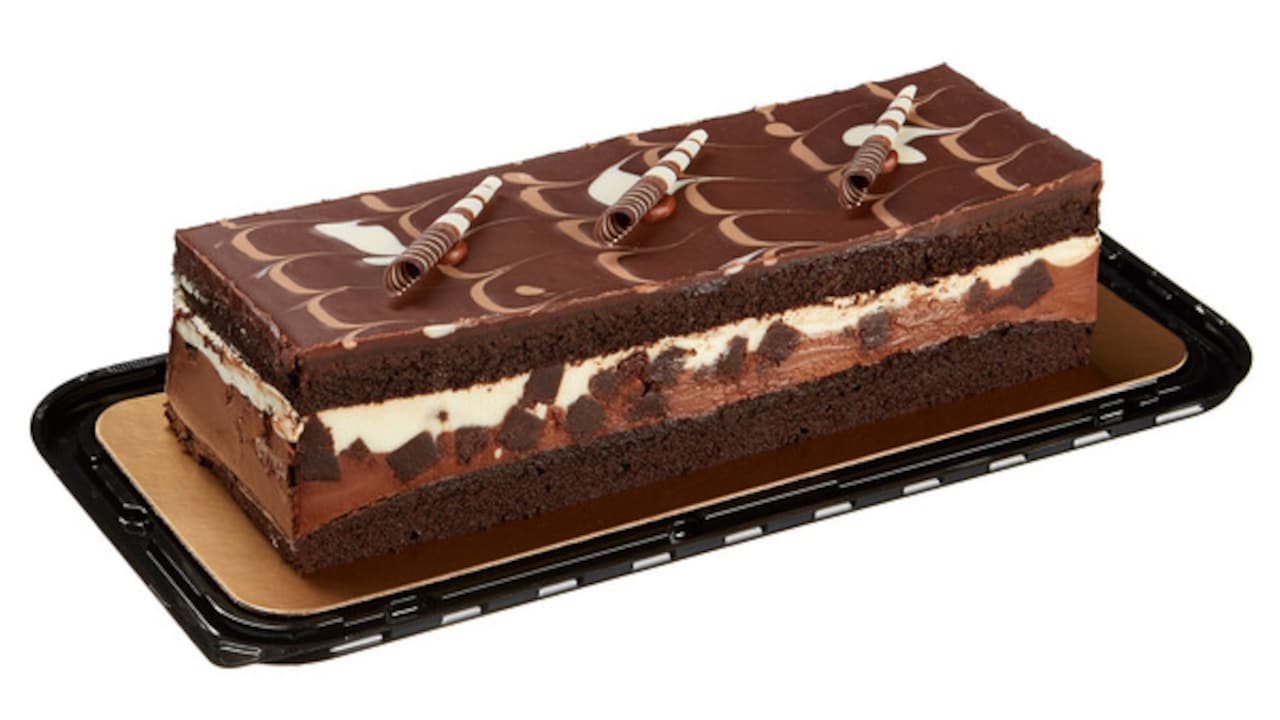
Photo Credit: Costco
Customers have also reported spotting Costco's Kirkland Signature cakes being sliced up and sold by cafes, delis and bodegas at higher prices. Again, the controversy is less about resale and more about transparency. Consumers generally expect a premium-priced dessert described as homemade or artisanal to have been prepared by the establishment itself.
When "Local" Isn't Really Local
Investigations at farmers' markets across North America have uncovered instances in which vendors allegedly sold wholesale-sourced baked goods or produce while presenting them as local, homemade, or artisan products.
Recently, a TikToker allegedly caught a farmer's market vendor emptying store-bought fruit into display trays for sale. The video racked up more than 12 million views on the creator's post. Such cases often attract strong reactions because many shoppers specifically visit farmers' markets to support local producers and small businesses.
Why Does This Matter?
Reselling food products is not inherently wrong. In fact, many businesses rely on wholesale suppliers for ingredients, desserts, and baked goods. The problem begins when customers are led to believe that a product was made by the establishment when it was not. Critics argue that such practices can be misleading, particularly when businesses charge premium prices based on claims of craftsmanship, freshness or exclusivity.
What Does The Law Say?
The legal position varies by country, state, and jurisdiction. In many places, businesses are generally allowed to resell products they have legally purchased. However, consumer protection laws often prohibit misleading advertising and false claims.
If a cafe advertises a product as "homemade", "freshly baked in-house" or "made on the premises", regulators may consider it misleading if the item was actually sourced from a third-party supplier.
Food labelling and advertising regulations in several countries require that businesses do not make false or deceptive claims about the origin, preparation, or nature of food products.
Ultimately, for many customers, the issue is not whether a croissant came from Costco or elsewhere. It is whether they were given accurate information before paying a premium price for it. Diners want transparency about what's on their plate - and where it really came from.