






We all want to make healthier choices. So we swap white bread for brown bread, grab an energy bar instead of a biscuit, or pour ourselves a glass of fruit juice thinking we're doing our body a favour. But what if some of these so-called "healthy" foods aren't as nutritious as they seem? Clever marketing, colourful packaging and buzzwords like 'low-fat', 'multigrain' and 'natural' can make certain products look healthier than they actually are. Here are some everyday foods that deserve a closer look before they land in your shopping cart.
Brown Bread
Most people automatically reach for brown bread, thinking it's much healthier than white bread. But that's not always true. In many cases, brown bread is simply made with refined flour (maida) and coloured brown using caramel or molasses. It may look healthier, but nutritionally, it isn't very different from white bread. The real winner is 100% whole wheat bread, which is naturally rich in fibre and keeps you full for longer. So the next time you're shopping, don't judge the loaf by its colour, check the ingredients instead.
Energy Bars
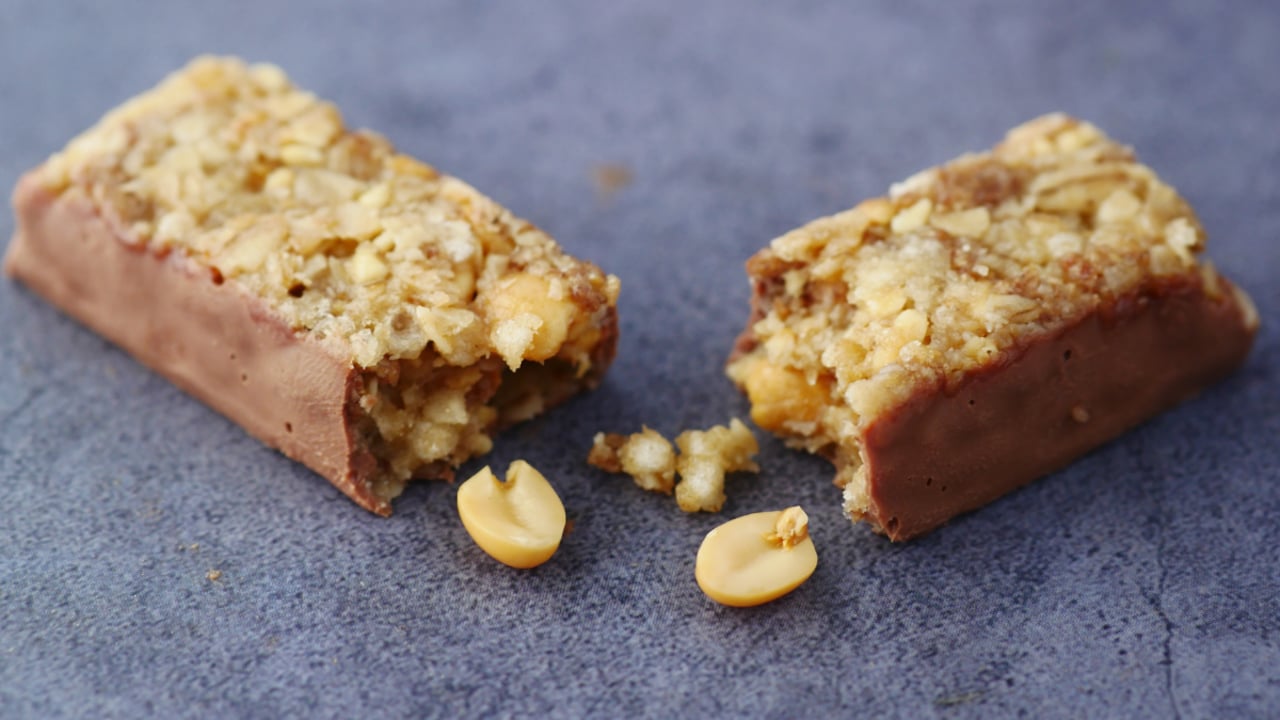
Photo: Pexels
Energy bars have become the go-to snack for busy mornings, office breaks and even post-workout hunger. They promise protein, fibre and energy, but many are also packed with added sugar, syrups, chocolate coatings and preservatives. Some bars contain almost as much sugar as a regular chocolate bar. While there are healthier options available, not every energy bar deserves its "healthy" image.
Also Read: Which Town Is Called The Ice Cream Capital Of The World?
Flavoured Yoghurt

Photo: Pexels
Yoghurt is one of the healthiest foods you can eat. It's rich in protein, calcium and gut-friendly probiotics. But once sugar, fruit syrups and artificial flavours are added, things start to change. Many flavoured yoghurts contain several teaspoons of added sugar, making them closer to dessert than a healthy snack. If you want all the goodness without the extra sweetness, plain yoghurt with fresh fruit is a much better choice.
Packaged Fruit Juice
A glass of fruit juice may seem like the easiest way to get your daily fruit intake, but it isn't the same as eating a whole fruit. During processing, most of the fibre is removed, leaving behind a drink that's high in natural sugars. Some packaged juices also contain added sugar. Without fibre to slow things down, your body absorbs the sugar much faster. That's why an apple is almost always a better choice than apple juice.
Low-Fat Foods
The words "low-fat" sound reassuring, but they don't tell the whole story. When companies remove fat from foods, they often add extra sugar, salt or starch to improve the taste. So while the fat content goes down, the product may not actually become healthier. Instead of looking only at the "low-fat" label on the front, flip the pack over and check what's really inside.
Also Read: Honey And Warm Water For Weight Loss: Does The Popular Morning Ritual Actually Work?
Veggie Chips
Beetroot chips, spinach chips and sweet potato chips sound like a smart snack, but they're not the same as eating vegetables. Many are still fried or made with oils, starches and lots of salt. They may contain vegetables, but usually not enough to replace the nutrition you'd get from fresh ones. They're perfectly fine as an occasional treat, but they shouldn't be mistaken for a bowl of real veggies.