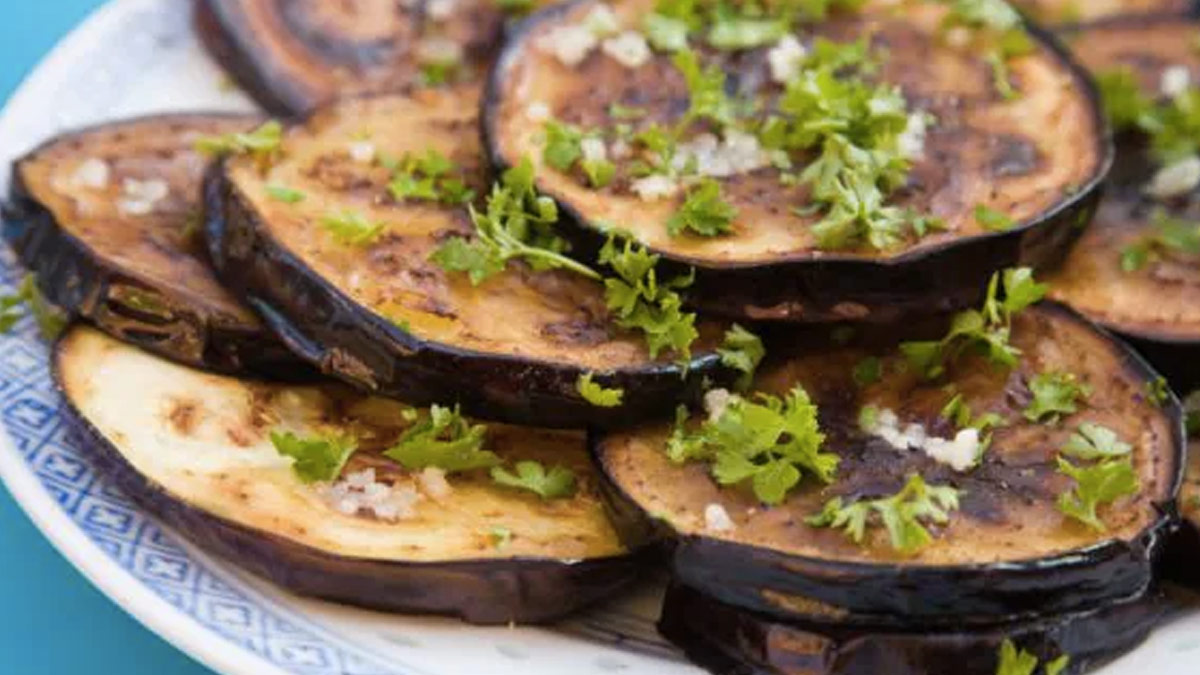
Brinjal, baingan, aubergine - call it what you will, this humble vegetable has an extraordinary ability to blend into every Indian kitchen it enters. From smoky, mashed comfort dishes to delicately spiced curries and crisp stir-fries, brinjal effortlessly changes character with geography, reflecting local tastes and traditions. In some regions, it is celebrated as a culinary hero, while in others, it remains surprisingly underrated, yet its versatility is undeniable. Soft, adaptable and eager to soak up flavour, brinjal thrives in the hands of cooks across the country. Here are six standout Indian brinjal recipes that showcase its true potential and prove why this everyday ingredient deserves a permanent, well‑loved place on your plate.
Also Read: Creamy Inside, Crisp Outside: Stuffed Dahi Tikkis You Will Want To Make Again
Why Brinjal Works So Well in Indian Cooking
Brinjal shines in Indian cuisine because it absorbs masalas beautifully — whether it's the smoky tandoori-style roasting of North India, the rich peanut–sesame gravies of the South, or the mustard-infused flavours of the East. Its soft flesh takes on spices easily, allowing every region to shape it into something distinct: roasted bharta, stuffed bharwa, tangy vangi bath or crisp begun bhaja. This adaptability is exactly why brinjal fits naturally into so many Indian kitchens and cooking traditions.
Here Are 6 Indian Brinjal Recipes That Hit The Spot Every Time
1. Baingan Bharta – North India
Few dishes celebrate the smoky flavour of brinjal quite like baingan bharta. Whole brinjals are roasted over an open flame until charred, then mashed and cooked with onions, tomatoes, garlic and green chillies. The result is rustic, bold and deeply comforting. Served with hot rotis or parathas, this North Indian staple is all about simplicity done right.
2. Gutti Vankaya – Andhra Pradesh And Telangana
This iconic South Indian dish features small brinjals slit and stuffed with a fragrant masala made of peanuts, sesame seeds, coconut and spices. Slow-cooked until the brinjals turn tender, gutti vankaya is rich, slightly spicy and incredibly aromatic. It pairs beautifully with steamed rice and ghee, making it a festive favourite in many homes.
3. Begun Bhaja – West Bengal
Begun bhaja proves that you don't need a long list of spices to make brinjal shine. Thick slices of brinjal are lightly salted, coated in turmeric and shallow-fried until crisp on the outside and soft inside. Often served with rice and dal, this dish is understated, comforting and deeply nostalgic for many Bengali households.
4. Vangi Bath – Karnataka
Vangi bath is a spiced brinjal rice dish that's both hearty and flavour-packed. Cubed brinjals are cooked with a special vangi bath masala, tamarind and rice, resulting in a tangy, spicy and slightly nutty dish. It's a popular lunchbox option and a staple in many South Indian homes, especially when paired with raita.
5. Bharwa Baingan – Rajasthan
In this Rajasthani preparation, small brinjals are stuffed with a dry masala made of spices, peanuts and sometimes gram flour, then slow-cooked in oil. Bharwa baingan is bold, spicy and has a slightly crisp exterior with a soft centre. It's typically eaten with bajra roti or plain chapatis, making it a winter favourite in desert regions.
6. Kathirikai Poriyal – Tamil Nadu
This simple stir-fry highlights everyday South Indian flavours. Brinjal is chopped finely and cooked with mustard seeds, curry leaves, green chillies and finished with grated coconut. Kathirikai poriyal is light, quick to make and works well as a side dish with sambar, rasam and rice.
5 Common Mistakes to Avoid When Cooking Brinjal
1. Choosing Old or Soft Brinjals
Photo: Unsplash
Brinjals develop bitterness as they age. Always pick ones that feel firm, have glossy skin, and show no brown spots or wrinkles - these signs indicate freshness and better flavour.
2. Skipping the Salting Step
Brinjal soaks up oil very quickly. Sprinkling salt on the pieces and letting them rest for a few minutes draws out excess moisture, helps reduce bitterness and prevents the vegetable from becoming too greasy during cooking.
3. Overcrowding the Pan
When too many pieces are added at once, they steam instead of frying or sautéing. This results in soggy brinjal with no caramelisation. Give the pieces enough space for even browning.
4. Cutting Brinjal Long Before Cooking
Photo: Unsplash
Brinjal oxidises fast and turns brown when exposed to air. Chop it only when you're ready to cook, or keep the pieces submerged in salted water to maintain colour and texture.
5. Using High Heat Throughout
Cooking brinjal entirely on high heat burns the outside while leaving the inside undercooked. Start on medium heat so the vegetable softens properly, then increase the heat if you want a crisp finish.
Also Read: Why Is Ginger Ale Called 'Ale' When It's Not Beer
Brinjal may be humble, but across India, it tells countless culinary stories - each shaped by local spices, traditions and comfort. Whether you like it smoky, crispy or slow-cooked, there's a brinjal recipe for every kind of meal.