



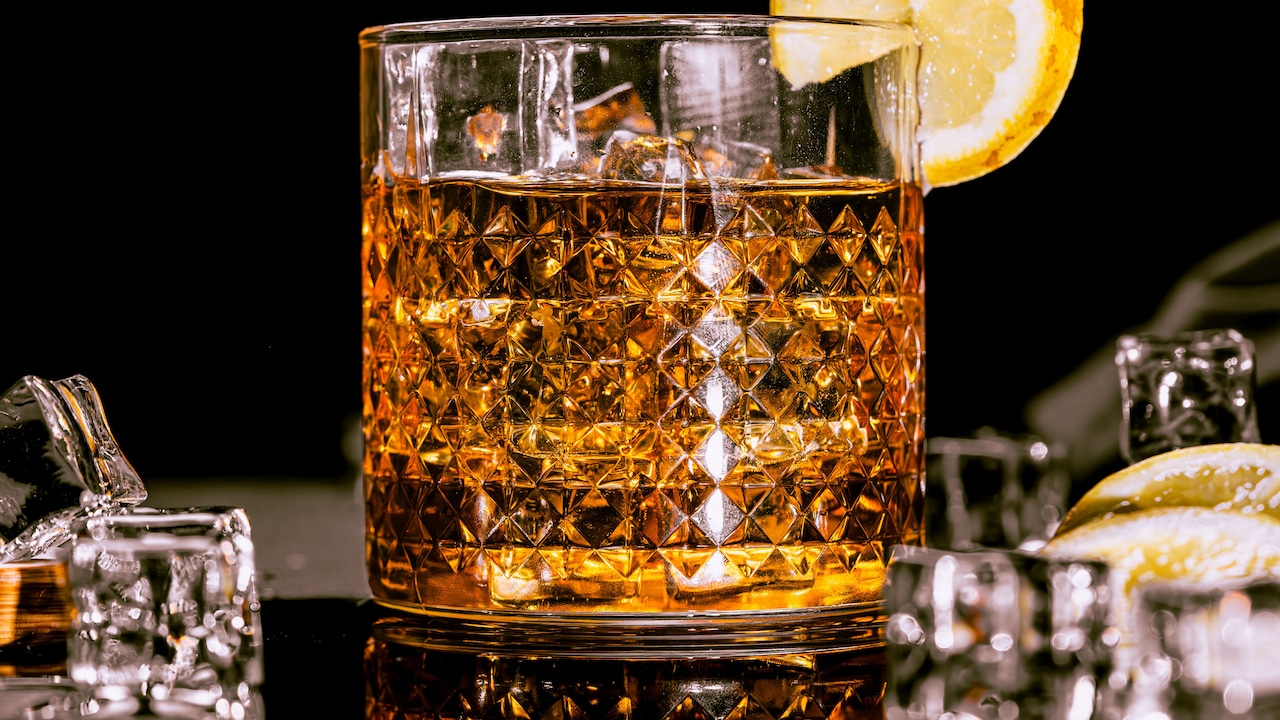
A glass of whisky can suggest ripe fruit, vanilla, honey, coconut, spice or smoke. Yet none of these ingredients may have entered the spirit. What we perceive are sensory notes created by compounds that develop from grain, yeast, heat, copper, oak and time. This distinction matters: a naturally flavourful whisky is not the same as a whisky to which a flavouring substance has been added.
Flavour begins with the raw material. Barley does far more than provide the starch that will eventually become alcohol. The variety of barley, its protein content, and the way it is malted and dried help establish the cereal, nutty and toasted foundation of the spirit. When peat is used during drying, it can also introduce phenolic compounds that later appear as smoky or earthy notes.
Fermentation then begins building the whisky's aromatic vocabulary. Yeast converts sugars into alcohol, but it also produces smaller quantities of esters, higher alcohols, acids and aldehydes. Esters are particularly important because they can create impressions of apples, pears, bananas and other fruits. Yeast strain, fermentation temperature and duration all influence the concentration and balance of these compounds. The objective is not simply to create more flavour, but to create the right flavour for the intended style.
Also Read: Single Malt vs Blended Whisky: What Is The Difference?
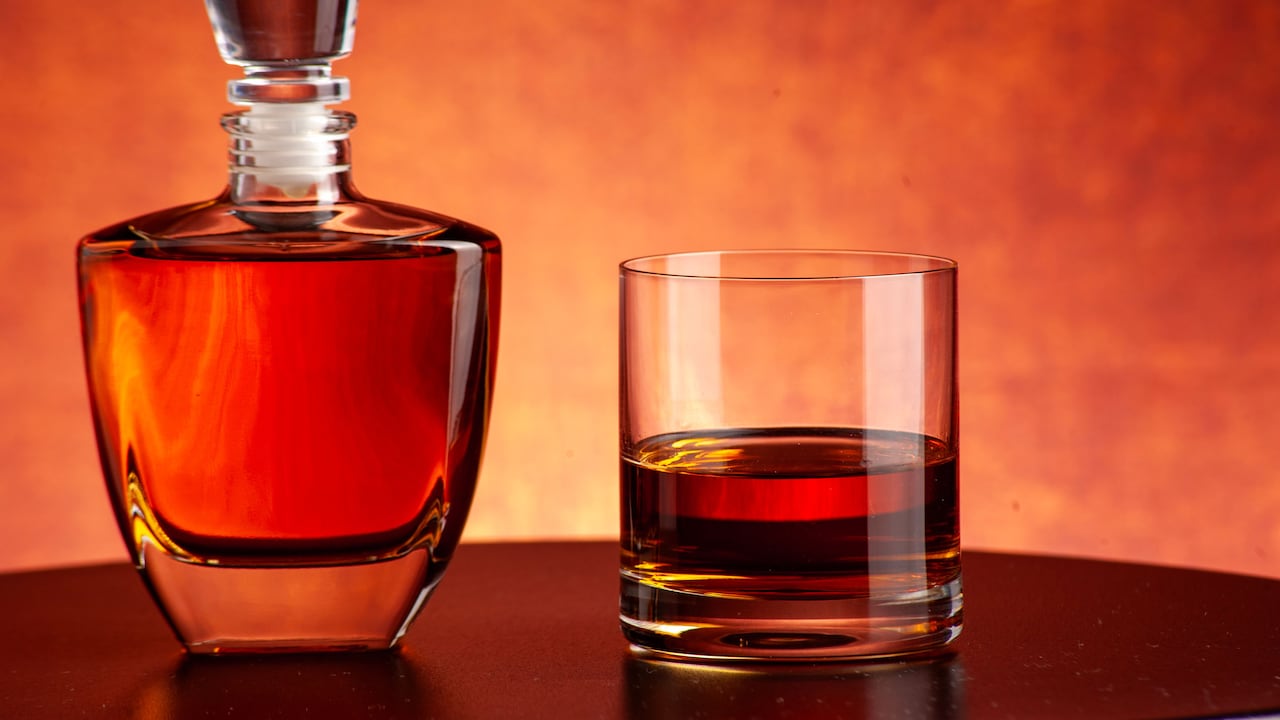
Distillation is often described as a process of purification. For a distiller, it is equally a process of selection. In single malt production, the fermented liquid is heated in copper vessels known as pot stills. The height and shape of a still, particularly its neck, influence how much vapour condenses and returns for further distillation. Along with the pace of distillation and the degree of contact with copper, this determines which aroma compounds move forward into the spirit. Copper also helps reduce undesirable sulphur notes. As the spirit flows from the still, its character changes. The distiller selects the portion that offers the desired balance for maturation, while setting aside the earlier and later portions that may contain sharper or heavier notes. This careful selection helps preserve desirable fruit and cereal character while maintaining balance.
Also Read: Sip In Style: Top Whisky Brands That Deserve A Place In Your Collection
Maturation brings the most visible transformation. The clear new-made spirit enters an oak cask, where extraction, oxidation and interaction begin. Compounds from oak can contribute vanilla, coconut, caramel and spice notes, while tannins add structure. At the same time, the cask can soften or reduce some harsher characteristics of the young spirit. Cask species, previous use, size, toasting or charring, filling strength and warehouse conditions all influence the final result.
Climate is especially important. In Goa's warm and humid coastal environment, the interaction between spirit and oak progresses more rapidly than it does in cooler regions, contributing to deeper extraction and pronounced flavour intensity. However, intensity and complexity are not the same. Intensity describes how strongly a flavour is perceived. Complexity comes from the way different layers, fruit, cereal, spice, wood and sometimes smoke, remain identifiable yet work together across the nose, palate and finish.
This is also why tasting notes should not be mistaken for an ingredient list. A whisky that evokes mango, vanilla or cinnamon does not necessarily contain any of them. A flavoured whisky has a flavouring substance added to it, whereas a naturally flavourful whisky develops its aromas and tastes through the production and maturation process itself. Flavour in whisky is not painted on at the end; it is built, selected and transformed at every stage. A well-made whisky carries the memory of its grain, fermentation, stills, cask and climate, and that is what gives each spirit its identity.
About the author: Michael D'Souza is the Master Blender at John Distilleries. Michael was also recently recognised as the World's Best Master Distiller/Master Blender at the World Whiskies Awards 2026, held in the UK on March 25.