




India has always celebrated its leafy greens - methi, sarson, bathua and kadam are flavours many of us grew up eating in our homes. Yet beyond these familiar staples lies a fascinating world of lesser-known greens that have nourished communities for centuries. These plants are not just nutritious; they bring fresh flavours, forgotten traditions and culinary adventure to the Indian kitchen. If you're ready to explore something different, here are the greens that quietly enrich regional cuisines across the country.
Discover 9 Lesser-Known Indian Greens Packed With Nutrition And Flavour:
1. Malabar Spinach
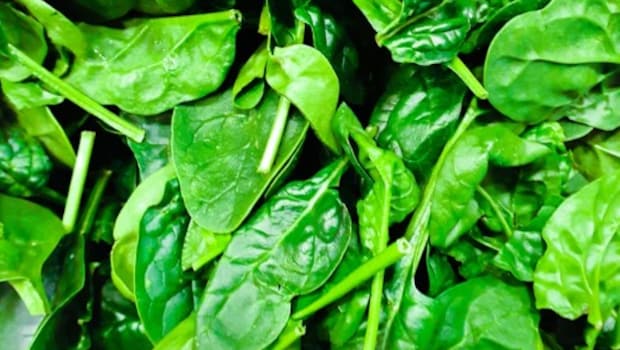
Malabar spinach is one such discovery. Known as basale soppu, vine spinach or climbing spinach, this lush creeper thrives in kitchen gardens along the Malabar coast. Its heart-shaped leaves are succulent, mildly flavoured and slightly mucilaginous when cooked. Rich in vitamin C, vitamin A, iron, calcium and soluble fibre, it offers impressive nutritional value with very few calories. It is used widely across Karnataka, Bengal, Odisha and Andhra Pradesh, slipping easily into dals, curries and stir-fries while adding a pleasant thickness and a burst of antioxidants.
Also Read:4 Different Spinach Recipes From South India To Elevate Your Winter Diet
2. Purslane
Another plant rediscovering its fame is purslane - Portulaca oleracea - often dismissed as a weed but cherished in global diets for its exceptional nutrient profile. With its red stems, smooth green leaves and tiny yellow flowers, purslane delivers a rare plant-based dose of omega-3 fats, including alpha-linolenic acid and a trace amount of EPA typically found in fish. Along with vitamins A, C, E and several B vitamins, it brings magnesium, calcium, potassium and iron to the table. Eaten raw in salads or lightly cooked, it adds a refreshing, slightly tangy flavour and a surprising health boost.
3. Gotu Kola
Equally intriguing is Gotu Kola, or Bor-Maanimun, a delicate creeping herb woven deeply into Assamese cuisine. Found across South and Southeast Asia, it has long held a place in traditional medicine systems - from Ayurveda to indigenous healing practices in Myanmar and Sri Lanka. Modern research recognises its value too: Gotu Kola supports wound healing, memory enhancement, blood circulation and even shows antidiabetic and antimicrobial potential. Nutrient-wise, it is rich in vitamins B and C, proteins, minerals and potent plant compounds like flavonoids and polyphenols.
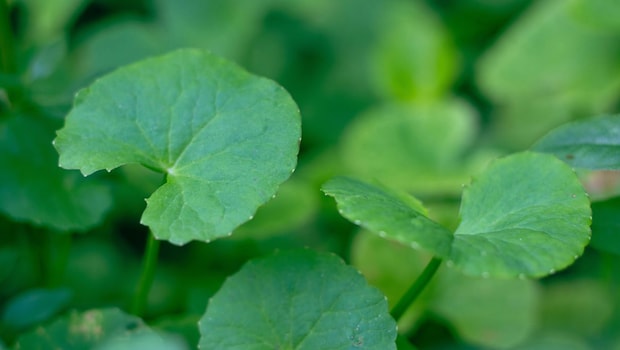
Photo Credit: Unsplash
4. Fiddlehead Ferns
From the riverbanks of Assam comes another seasonal treasure-dhekia xak or fiddlehead ferns. Their tightly curled spirals appear only briefly during the monsoon, prized for their meaty texture and natural tang. They are known by many regional names - lungdu in Kangra, lingri in Kullu and kasrod in Chamba - each region celebrating it in its own style. Packed with iron, omega-3 and omega-6 fats, potassium and fibre, fiddlehead ferns offer both flavour and nourishment in every tender curl.
5. Colocasia Leaves
Colocasia leaves, known by names such as arbi ke patte, aivi, kacchu patta or kesuvina yele, are woven into culinary traditions across India. From Gujarat's patra to Manipur's eromba and Karnataka's partode, these leaves adapt beautifully to regional tastes. High in vitamins A and C, iron and folate, they add bulk, fibre and earthy richness to meals, whether steamed, spiced, or simmered in coconut-based gravies.

Photo Credit: Unsplash
6. Moringa Leaves
Moringa, the resilient "miracle tree" of the tropics, needs no introduction. While its drumsticks are widely loved, the leaves are an even greater powerhouse. Scientific studies have documented their anticancer, antioxidant, anti-inflammatory and antidiabetic properties. The nutritional comparisons are astonishing - higher vitamin C than oranges, more vitamin A than carrots, significantly more calcium than milk and many times the iron of spinach. Used in curries, dals or teas, moringa leaves transform everyday meals into nutrient-dense plates.
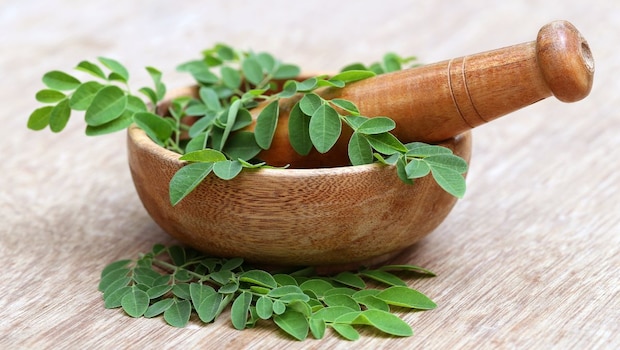
Photo Credit: Canva
7. Stinging Nettle
High in the Himalayan foothills grows Bichhu Booti-stinging nettle - a plant that looks intimidating but becomes wonderfully nourishing when cooked. Known for its anti-inflammatory properties and traditional roles in healing, it delivers carotenoids, vitamin A and plenty of fibre with very few calories. In Uttarakhand, kandalee ka saag remains a beloved winter dish that warms the stomach and strengthens the body.
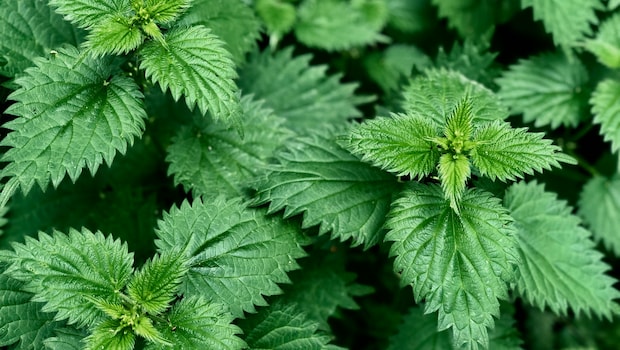
Photo Credit: Unsplash
8. Bharangi
The Western Ghats too offer their own culinary gem - Bharangi (Clerodendrum serratum). Known by several names across India, this monsoon-season green has been valued in Ayurveda for its ability to clear congestion, stimulate appetite and support respiratory health. Its leaves, rich in flavonoids and phenolic acids, appear at least once in most traditional Maharashtrian monsoon menus, especially in the form of Bharangi bhaji.
Also Read:From Sarso Ka Saag To Pasta: 6 Easy Mustard Greens Recipes For Cold Weather Cooking
These greens represent only a fraction of the wild and cultivated plants once commonly eaten across India. While researching them, it becomes clear that many such varieties - perhaps 50 or 60 - remain hidden in local traditions, passed on only through memories of older generations. Nutritious, easy to grow and deeply rooted in regional heritage, these forgotten greens are slowly being rediscovered by chefs, researchers and food lovers. Bringing them back into our kitchens not only enriches our diet, but also reconnects us with India's extraordinary biodiversity - one delicious leaf at a time.