


My last visit to Turin in Italy was just a few weeks before the Terra Madre Salone del Gusto in 2024. It's one of the world's best-known food events, a showcase for slow food. We're no strangers to slow food in India. There are multiple dishes across the country — from dal to meat preparations — that are fine adverts for slow food. The Pathar-ka-Gosht in Hyderabad is high up on that list. It's not just a dish steeped in history but one of the most delicious mutton dishes you can savour anywhere in the country.
Also Read: 12 Make-Ahead Breakfasts To Save Your Early Mornings
It was a meal at Adi, at The Leela Hyderabad, that revived memories of my first brush with one of Hyderabad's iconic dishes more than a decade ago, during the month of Ramadan. Adi aims to showcase heirloom recipes from Hyderabad, Andhra Pradesh, and Telangana in a fine-dining setting. While restaurants, hotels, and custodians of different cuisines across India are making a concerted effort to preserve India's culinary heritage, many of our emblematic cuisines are also being misrepresented in restaurants that often tweak spice levels to cater to consumer preferences.
Kulsam Begum is one of the local experts who has helped refine Adi's Hyderabadi culinary offering. She is the niece of Salar Jung III, Prime Minister during the reign of Hyderabad's last Nizam — Mir Osman Ali Khan. She's deeply conscious of the city's culinary heritage and shares this passion with the culinary team at Adi. Her expertise and deep connection to Hyderabad's royal culinary heritage have shaped her journey.
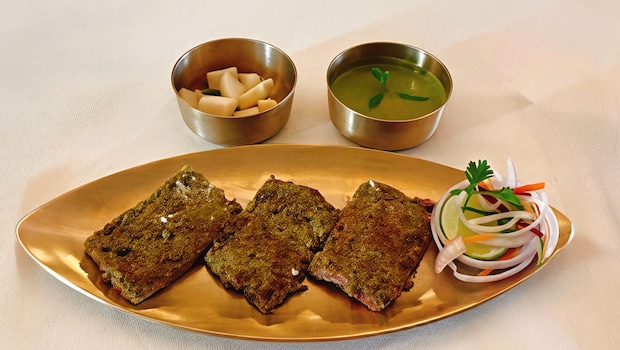
From Chettinad cuisine in restaurants in Chennai and Bengaluru to local cuisine in Hyderabad, there's a clear increase in spice levels in restaurant food across South India. Kulsam believes that this is a misrepresentation of fine Hyderabadi cuisine, which was never this spicy. Our conversation eventually drifts to Pathar-ka-Gosht. The version at Adi is truly melt-in-your-mouth (see recipe) and a must-try for meat lovers.
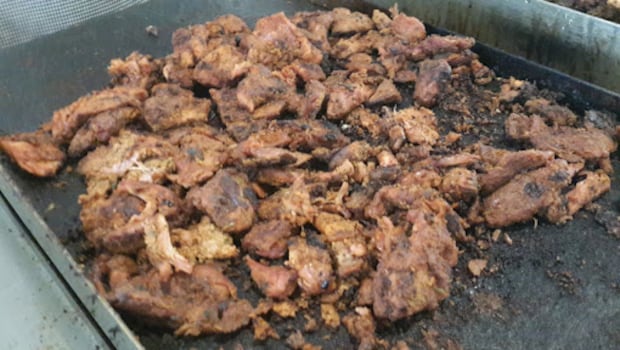
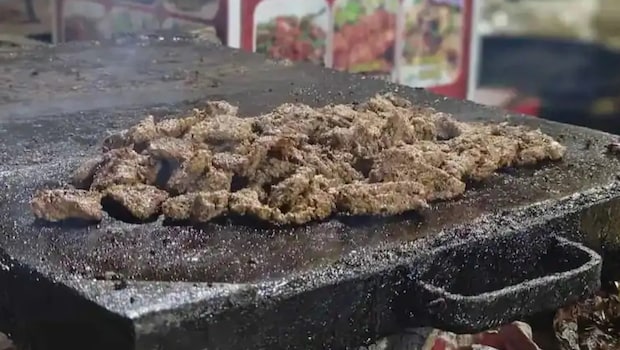
While many dishes began their journey in royal kitchens (like the Mysore Pak in the Mysore Palace) before being democratised, the Pathar-ka-Gosht has a reverse backstory of sorts. Rajesh Gopalakrishnan, the General Manager at The Leela, tells us that the dish originated in Hyderabad and has been credited to the Qutb Shahi dynasty (a powerful force in the Deccan during the 16th and 17th centuries). Warriors and soldiers used to cook meat on hot stones during battles or hunting trips. Over time, this rustic method became a royal speciality and was perfected in the Nizam's kitchens. Most old-timers tell us that smaller food stalls used to sell Pathar-ka-Gosht made on coal stoves — something you don't see in the city anymore.
Also Read: What Happens When You Drink Jaggery Milk Every Night For A Month
What Makes Pathar ka Gosht So Unique?
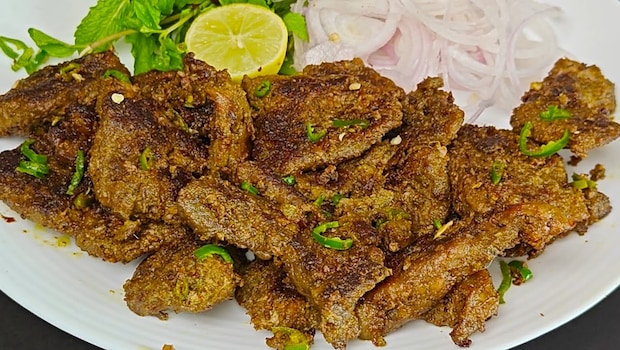
Pathar-ka-Gosht translates to meat (or mutton) on stone and is usually made with marinated slices of mutton or lamb on a hot granite stone. This is slow cooking at its very best and involves a delicate process that includes choosing the perfect cut of meat (our recipe uses the leg) and an overnight marination with spices like Kabab Chini or tailed pepper, known for its unique sweet and spicy flavour and its role in traditional Indian medicine for digestive properties. The culinary team at Adi tells us that papaya puree in the recipe is used to tenderise the mutton.
Pathar-ka-gosht – Recipe courtesy: The Leela Hyderabad
Ingredients
- Mutton: 1 kg
- Ginger: one medium-sized stick
- Garlic: 10-12 pods
- Coriander: 1 cup
- Mint leaves: 1 cup
- Green chillies: 4-5
- Onion: 100 gm
- Salt: to taste
- Black pepper: to taste
- Hung curd: 100 gm
- Papaya puree: 2 tbsp
- Kabab chini (or tailed pepper): 2 tsp
Method:
- Source the ideal mutton. This is the key step. Most Hyderabadi chefs will tell you to use a (boneless leg) of the mutton.
- Marinate mutton slices in a bowl overnight with ginger garlic paste, crushed raw onion, green chilli, mint and coriander leaves, salt, kabab chini, black pepper powder and hung curd. Make sure you mix the ingredients well and store it overnight in your refrigerator.
- Clean the stone (or stone tava) well and heat it (260 degrees) before you sprinkle oil on the tava.
- Add ghee and then cook the mutton on a slow flame, keep adding small quantities of ghee as and when required. Avoid turning the meat constantly and let it cook slowly.
- Serve with mint chutney and radish pickle.
Will you try this recipe at home? Let us know in the comments below.
About Ashwin RajagopalanI am the proverbial slashie - a content architect, writer, speaker and cultural intelligence coach. School lunch boxes are usually the beginning of our culinary discoveries.That curiosity hasn’t waned. It’s only got stronger as I’ve explored culinary cultures, street food and fine dining restaurants across the world. I’ve discovered cultures and destinations through culinary motifs. I am equally passionate about writing on consumer tech and travel.