










Every wellness routine in India eventually runs into the amla question. Some swear by chewing it raw every morning. Others insist it must be steamed for the stomach. Ayurveda champions it in multiple forms, while modern nutrition backs it with vitamin C data. From detox drinks and hair masks to immunity shots and chutneys, amla or Indian gooseberry has quietly stayed at the centre of daily health rituals. What continues to divide opinion, though, is whether raw amla is better than steamed amla. Does heat destroy its nutrients. Does steaming make it safer for daily use. Is raw amla too harsh for the gut. The truth sits somewhere in between. Both forms carry powerful health benefits, but they work differently in the body. Understanding how nutrition, digestion, taste, and daily suitability change with steaming helps people choose the right form based on age, digestion, and health goals.
Raw Amla vs Steamed Amla: Which Is Better Overall?
Short answer:
- Raw amla is nutritionally stronger.
- Steamed amla is easier on the stomach and better for daily use.
This one distinction decides everything that follows. If the goal is maximum vitamin C and antioxidant intake, raw amla wins. If the goal is long term daily consumption without digestive trouble, steamed amla is the safer choice.
Raw Amla vs Steamed Amla: Key Differences at a Glance
| Factor | Raw Amla | Steamed Amla |
|---|---|---|
| Vitamin C | Highest natural levels | Slightly reduced due to heat |
| Digestibility | Sharp and fibrous | Gentler on the stomach |
| Taste | Strongly sour and bitter | Milder and softer |
| Fibre | High | Moderated |
| Daily suitability | Best for strong digestion | Better for long term daily use |
This simple difference in treatment changes how the body processes amla. Raw amla works faster and stronger. Steamed amla works slower but gentler. That one shift explains most of the debate around which form is better.
Also Read: Orange Or Amla: Which Fruit Is Better For Your Weight-Loss Diet?
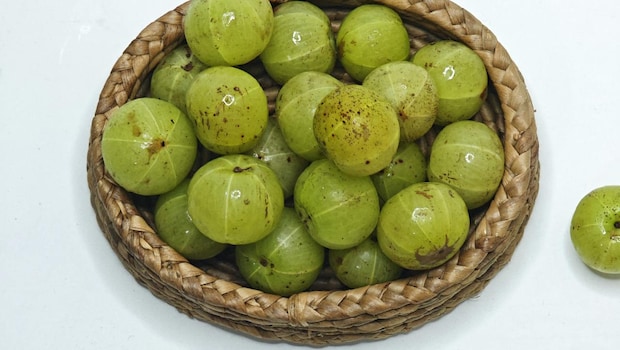
Photo Credit: Pexels
Which Is Better for Nutrients: Raw Amla or Steamed Amla?
Winner: Raw amla
Raw amla delivers the highest concentration of vitamin C and active enzymes because it is unprocessed. This makes it ideal for people looking for maximum antioxidant intake and faster nutritional absorption. When amla is steamed, heat exposure causes a slight reduction in vitamin C levels. However, most minerals, antioxidants, and fibre remain preserved. From a nutritional safety perspective, steamed amla still delivers strong health value without putting pressure on sensitive digestion. That said, from a pure nutrient density lens, raw amla remains the stronger option.
Which Is Better for Digestion: Raw Amla or Steamed Amla?
Winner: Steamed amla
Digestibility is where the biggest shift happens. Raw amla is dense, fibrous, and aggressively sour. It stimulates digestive enzymes and works well for people with strong stomach acid and efficient digestion. For others, the same strength can trigger acidity, cramps, or bloating. Steaming breaks down some of the fibre and softens the fruit texture. This makes it easier for the stomach to process, especially for elderly individuals, children, and those recovering from illness. For long term daily intake, steamed amla is the more dependable choice.
Which Tastes Better for Daily Eating?
Winner: Steamed amla
Raw amla is crunchy, sharp, and bitter-sour. Many people struggle to eat it consistently because of its intensity. Steamed amla becomes softer, smoother, and noticeably milder in flavour. This improves long term compliance, which matters more than occasional consumption. A food that can be eaten daily, even in smaller amounts, ends up delivering better results over time than a powerful food that people avoid after a few days.
Which Has Better Antioxidant Strength?
Winner: Raw amla
Both raw and steamed amla remain rich in antioxidants that help fight oxidative stress, reduce inflammation, and support tissue repair. Raw amla retains the highest number due to zero heat processing. Steamed amla still carries enough antioxidant protection to support immunity, skin health, and cellular maintenance. The decline exists, but it does not cancel the protective benefits that make amla such a valuable functional food. From a comparison point of view, raw amla retains the edge.
Health Benefits of Amla in Both Raw and Steamed Forms
Once the preparation difference is clear, the benefits become easier to map to daily health needs. Raw and steamed amla serve slightly different bodies, but both deliver wide ranging wellness support.
1. Immunity, Inflammation And Heart Health
Amla strengthens immune defences due to its vitamin C concentration and antioxidant profile. Raw amla offers a faster immune response due to higher nutrient density. Steamed amla still provides steady immune support and helps the body deal with seasonal infections and fatigue. The antioxidants in both forms protect heart tissue, reduce bad cholesterol, and promote healthy blood circulation. Regular intake supports long term cardiovascular health.
2. Hair, Skin And Collagen Support
Amla supports natural collagen production, slows visible ageing, improves skin tone, and strengthens hair follicles. Its detoxifying action helps clear dull skin and promotes hair shine. Whether consumed raw or steamed, these beauty benefits remain consistent when amla becomes part of a regular diet rather than a short term remedy.

3. Blood Sugar Control, Weight And Digestion
Amla supports glucose metabolism and improves insulin sensitivity. It slows sugar absorption and helps reduce sudden blood sugar spikes. Steamed amla is especially useful for people managing diabetes because it remains gentle while continuing to support glucose regulation. Amla also boosts metabolism, supports fat breakdown, and reduces water retention. Raw amla drives digestion-led weight management. Steamed amla suits people who struggle with fibre heavy foods but still want fat loss and metabolic benefits.
Which Form of Amla Should You Choose for Your Body Type?
Choose raw amla if:
- You have strong digestion
- You want maximum vitamin C intake
- You tolerate sour foods easily
Choose steamed amla if:
- You struggle with acidity or bloating
- You want something safe for daily use
- You are managing diabetes
- You are older or feeding children
This distinction allows amla to work with the body rather than against it.
Also Read: Moringa + Amla: The Morning Duo That Can Give You Glass-Like Skin And Healthy Hair Naturally
6 Best Ways to Eat Amla Daily
- Raw slices: Eat one to two small pieces in the morning on an empty stomach.
- Steamed amla: Lightly steam and season with a pinch of salt or chaat masala.
- Amla juice: Mix with water and drink in the morning.
- Amla powder: Add to smoothies, warm water, or herbal mixtures.
- Amla murabba: A softer, sweeter option for consistent intake.
- Amla in salads or chutneys: Adds freshness, fibre, and micronutrients to meals.
The Bottom Line
- Raw amla is stronger.
- Steamed amla is safer.
- For daily use, most people will benefit more from steamed amla.