


Every Navratri I write articles on the health benefits of the foods we eat during this time. I often wonder why we restrict these special flours for just nine days when we stand to gain so much from them? Kuttu (buckwheat), Rajgira (amaranth), Singhara (water chestnut), and Sabudana (sago) are all nutrient dense, healthy super foods and tasty to boot. Let's revisit their nutritional quotient and understand why we should not restrict them to only 9 days in a year. To start with these traditional flours are naturally gluten-free, rich in micronutrients, and offer a welcome break from refined grains. Let's take a closer look.
Also Read: Weight Loss Diet: This Healthy Buckwheat Khichdi Can Help You Lose Belly Fat
The Nutritional Power Of Traditional Navratri Flours
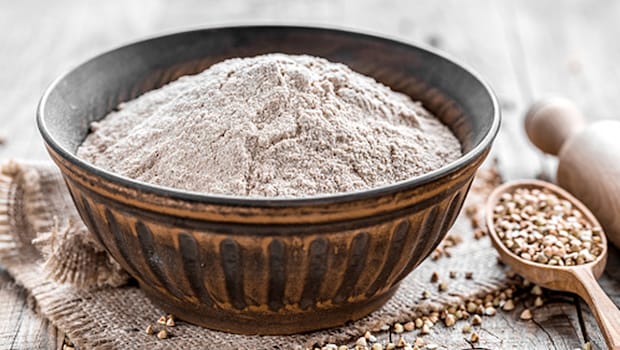
1. Buckwheat Flour (Kuttu Atta)
High-quality plant protein, rich in magnesium, zinc, and manganese, contains rutin - a powerful antioxidant that supports heart health. It's not just nutritious but also incredibly versatile, making it easy to include in everyday meals without compromising on taste.
Health Benefits:
- Supports heart health: Buckwheat helps lower LDL cholesterol and improves blood circulation.
- Manages blood sugar: Its low glycaemic index helps prevent glucose spikes.
- Good for gluten sensitivity: Perfect alternative for those avoiding wheat. Versatile and can be used in rotis, pancakes, or dosas mixed with besan or jowar flour for everyday use.
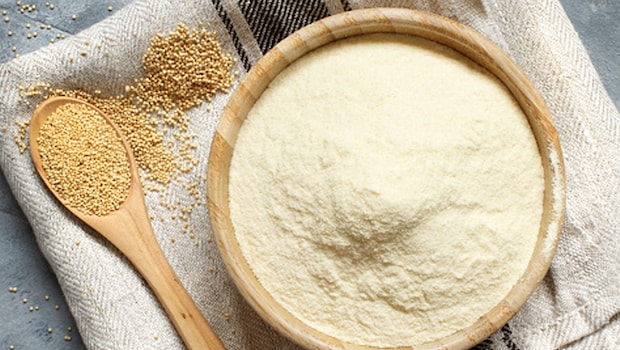
2. Amaranth Flour (Rajgira Atta)
One of the rare plant sources of complete protein (contains all essential amino acids). Rich in iron, calcium, and magnesium powerhouse. Loaded with fibre, it is a natural prebiotic, supporting gut health. It is rich in antioxidants and peptides like lunasin, which have anti-inflammatory effects that may help prevent various chronic diseases.
Health Benefits:
- Boosts haemoglobin: Excellent for people with low iron levels.
- Strengthens bones: Calcium and magnesium support bone density.
- Improves gut health: Fibre aids smooth digestion and satiety.
- Use rajgira flour to make parathas, laddoos, or bake it into rotis mixed with wheat or jowar flour.
3. Water Chestnut Flour (Singhara Atta)
Low in fat and high in potassium, moderate vitamin B6 and antioxidants, it is naturally cooling and light on digestion. It supports gut health and is known to help control diabetes. Its vitamin profile protects against cell damage and supports the immune system.
Health Benefits:
- Hydration support: Keeps the body cool and balances fluids.
- Heart-healthy: Potassium helps manage blood pressure.
- Good for fasting and detox: Light, gluten-free, and alkaline-forming. Use it to make pancakes, halwa, or as a thickener in soups and gravies.
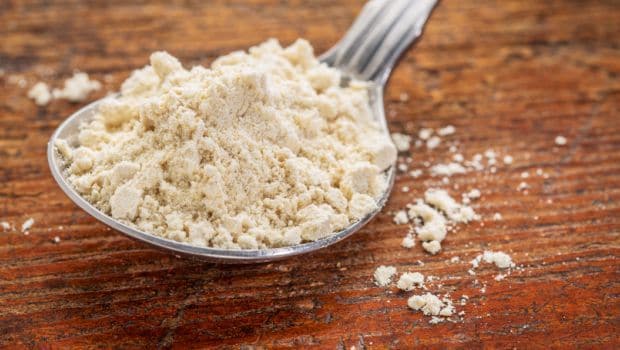
4. Sago (Sabudana)
Sabudana is not a flour but a popular fasting ingredient during Navratri. These small pearls are rich in carbohydrates - instant energy. They contain small amounts of calcium and iron and also have tannins and flavonoids that protect against inflammation and support the immune system.
Health Benefits:
- Energy booster: Great for recovery, fasting, or post-illness.
- Gentle on the stomach: Easy to digest, especially for those with low appetite.
- Sabudana is energy-dense but low in fibre and protein, so combine it with curd, nuts, or vegetables.
Also Read: How To Make Sabudana Tikki Crispy: 6 Simple Tricks That Work Every Time
These flours diversify your diet with different nutrients. Support better digestion by reducing gluten overload. Offer natural energy without refined carbs. Fit easily into diabetic-friendly or heart-healthy meal plans when balanced well. So why limit them to only 9 days?
The so-called Navratri flours are not just festive substitutes - they are nutrient-rich traditional grains that can bring variety, energy, and balance to our everyday meals. They have a nutrient profile that protects against chronic diseases, infections, and helps preserve the body's immune system. Let's bring them back into our kitchens year-round, not just during fasting