



Train travel in the nineties felt very different from what we know today. People settled into their seats, chatted with whoever was around and waited to see what the journey would bring. Food was a big part of the experience, not because there were endless choices, but because it was one of the few things everyone looked forward to. There were no apps or online orders. You simply ate whatever the pantry served or whatever you picked up at the next station. A recent India Today report revisited that era, reminding readers of a time when railway meals were basic, honest and the same for almost everyone on the train.
How Indian Railways Food Was Actually Managed In The 1990s
Back then, there was no single system running catering across India. Each railway zone did its own thing. Pantry cars cooked on board, station refreshment rooms helped out at major stops and private contractors pitched in on busy routes. Because of this patchwork setup, the menu changed depending on where you were travelling and who was working that day. It was not fancy, but it worked.
Also Read: Display Of Food Rates And Menus Made Mandatory By Indian Railways
What Train Dining Looked Like In The 1990s
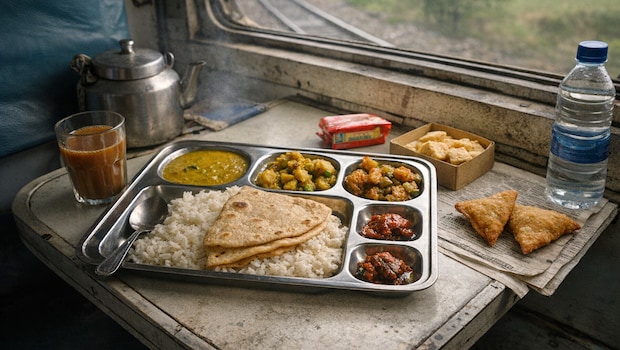
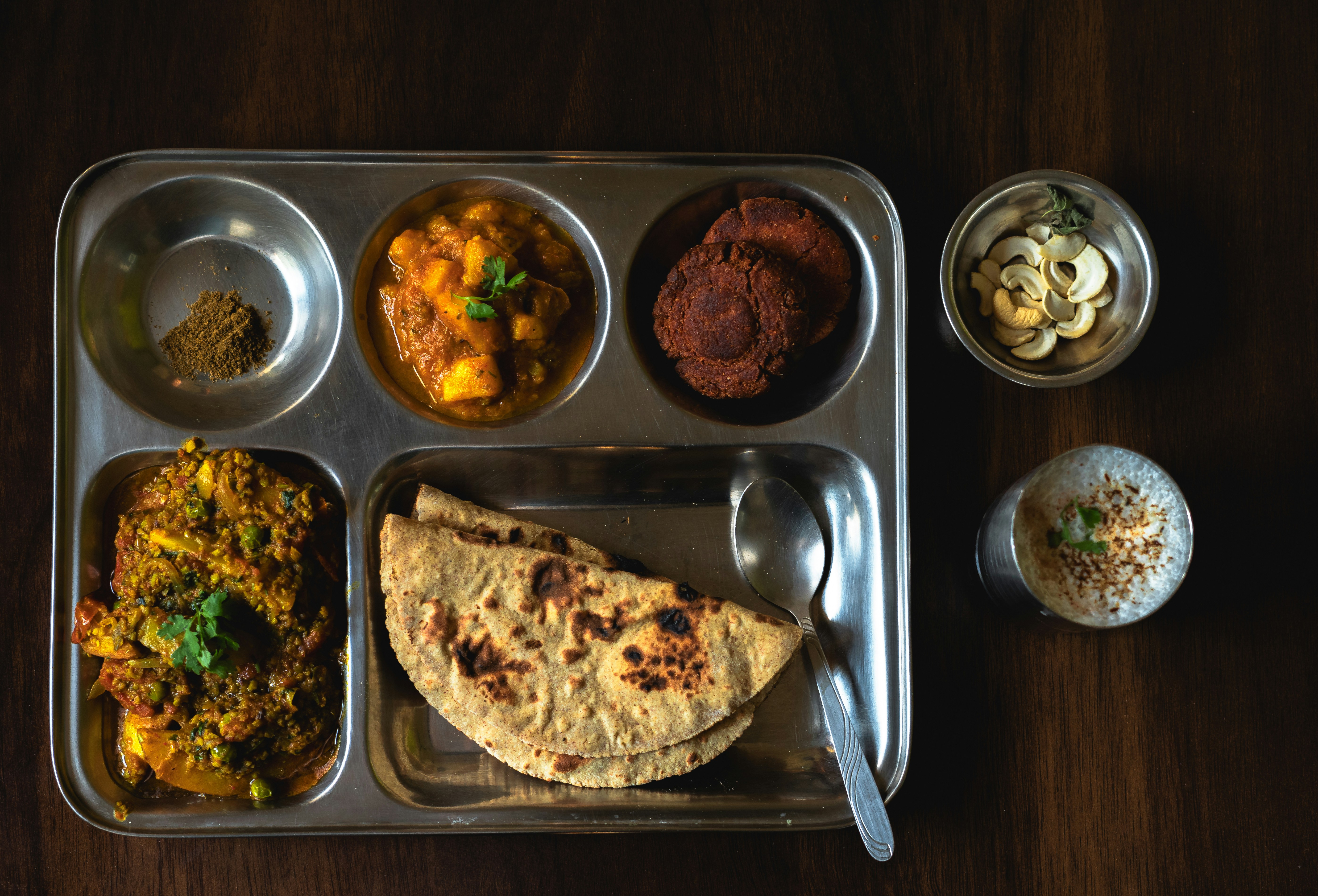
Meals came in steel trays or melamine plates that never broke no matter how roughly they were handled. Tea was served in thick glass tumblers that stayed warm for ages. And if you were sitting near the pantry, you often got the first whiff of whatever was frying inside. Food was not something extra. It was part of the journey itself. Many regular travellers still remember linking their meals to where the train was on the route.
Photo Credit: File Photo
What A Typical Indian Railways Meal Included
Vegetarian thalis ruled the menu. You usually got rice or chapatis, plain yellow dal, a vegetable like aloo gobi or beans and a small spoon of pickle on the side. These were chosen because they travelled well and could be heated easily even in a moving pantry car. For longer journeys, rice-based dishes like vegetable pulao or khichdi were common. They were quick to prepare, filling and comforting.
Regional Breakfasts You Could Expect On Different Routes
One of the best things about Indian train food was that breakfast changed depending on where the train was headed. On northern routes, you might get aloo parathas with curd. Down south, mornings usually meant idli, upma or pongal. And no matter the zone, bread and butter were almost always available.
The Fun Of Buying Snacks From Station Vendors
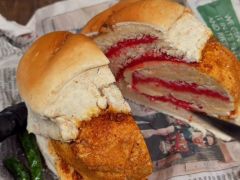
Anyone who travelled during that time will remember the excitement of station snacks. At smaller stops, vendors walked through the coaches calling out for samosas, kachoris, cutlets and sandwiches. At bigger junctions, you had a few minutes to lean out of the window and buy hot pakoras or vadas wrapped in paper. It was quick, it was messy and it was one of the best parts of train travel.
Non Vegetarian Railway Food Options In The 1990s
Non vegetarian food existed, just not in a lot of variety. Omelettes were common at breakfast. On longer trips, you might get egg curry with rice or rotis. If the pantry had the space and supplies, a simple chicken curry made its way onto the menu. Some trains offered chicken biryani, especially on routes with better kitchen setups. Mutton dishes, however, were mainly available at station canteens rather than inside the train.
The Sweet Treats People Loved Back Then
Desserts were simple but comforting. Soan papdi, gulab jamun in syrup tins and besan laddoos were common sights. Many passengers carried biscuits to snack on or share. Fruit vendors also made regular rounds at major stops, especially with bananas and oranges.
Also Read: Vande Bharat Passenger Raises Complaint Of "Fungus" In Yoghurt; Railways Responds
How Passengers Got Drinking Water On Trains
Bottled water was not common yet. If you wanted branded water, big stations were your best bet. Most people carried their own flasks or refilled bottles at taps on platforms. The idea of a nationwide railway water brand was still years away.
Looking back, the food selection was small. It was shaped by whatever the pantry could manage, the weather and the length of the journey. But it had something that modern train menus sometimes lose: a sense of place.