





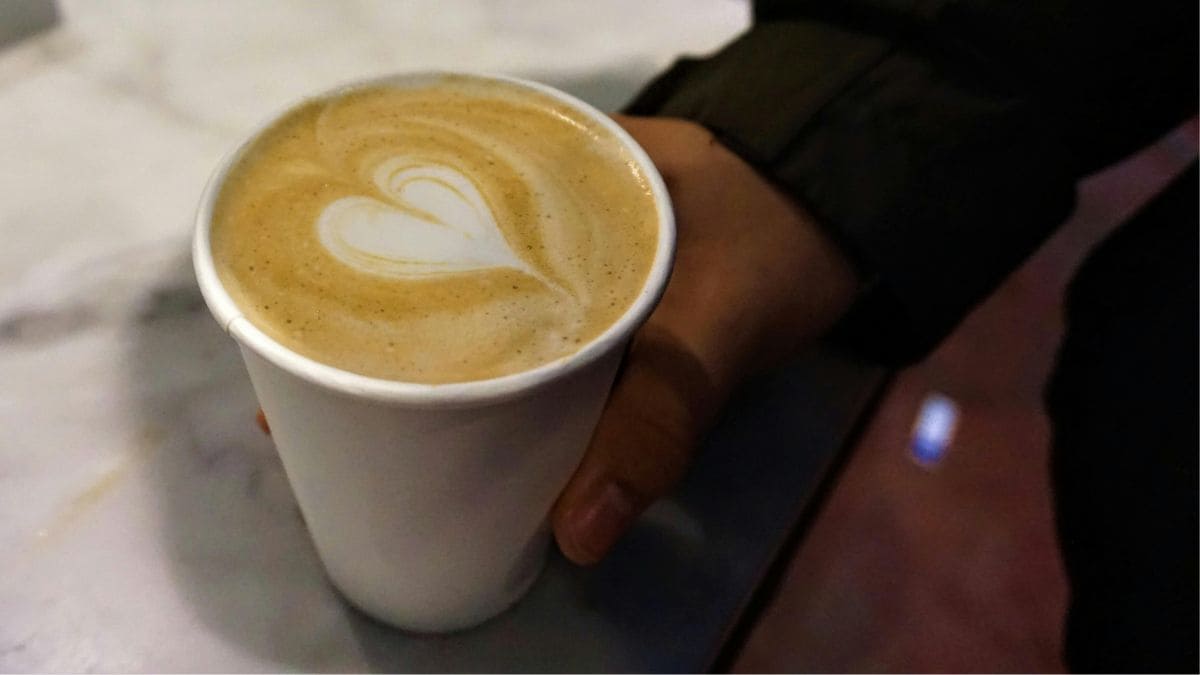
Your daily takeaway coffee might be delivering more than just a caffeine boost. New research published in the Journal of Hazardous Materials: Plastics, coauthored by Xiangyu Liu from Griffith University, has found that plastic cups or paper cups with a thin plastic lining could shed thousands of microplastic fragments into hot beverages. As takeaway culture becomes an everyday ritual, the study raises important questions about what could be entering our bodies without us realising.
What Are Microplastics?
Microplastics are extremely small pieces of plastic, ranging from about one micrometre to a few millimetres. They can come from the breakdown of larger items or be released directly from everyday products. These particles are now found in the environment, in our food systems, and ultimately inside the human body.
How Drinks Are At Higher Risk Of Microplastic Contamination
The researchers started with a meta-analysis of 30 peer-reviewed studies and found a strong link between temperature and microplastic release.
As the temperature of the liquid increases, more particles tend to break away. Across the studies, the number of released particles ranged from a few hundred to more than eight million per litre.
Interestingly, the length of time the drink stays in the cup is less important than the temperature of the liquid when it first touches the plastic.
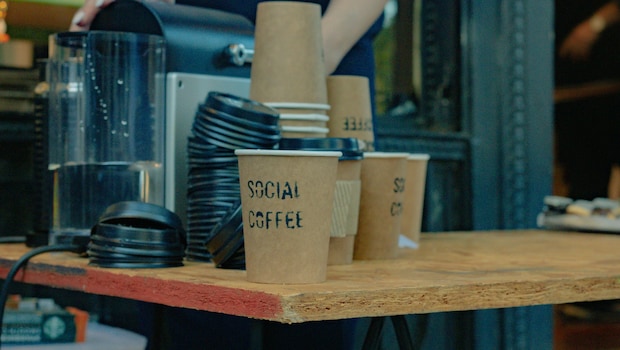
Photo Credit: Pexels
Plastic vs Paper Cup: Which One Is Better?
The team collected 400 takeaway cups in Brisbane, Australia. These included fully plastic polyethylene cups and paper cups lined with plastic.
When tested at 5 degrees Celsius and 60 degrees Celsius, both types released microplastics, but two clear trends emerged:
1. Plastic-lined paper cups released fewer particles than all-plastic cups at both temperatures.
2. Heat significantly increased the release of microplastics. For plastic cups, switching from cold to hot water caused a rise of around 33 per cent in released particles. If someone drinks 300 millilitres of hot coffee daily in a polyethylene cup (about 1 cup), they could ingest about 363,000 microplastic fragments every year.
High-resolution imaging revealed that the all-plastic cups had rougher inner surfaces, with many tiny ridges and irregular shapes. These textures make it easier for fragments to break away, and hot liquids accelerate the process by softening the plastic and increasing surface stress.
Healthier Cup Alternatives To Drink Your Coffee
The findings do not mean people must stop drinking takeaway coffee, but choosing safer options can help.
Reusable cups made of glass, ceramic, or stainless steel are better options. If using disposable cups, plastic-lined paper options tend to release fewer particles than fully plastic ones. Avoid pouring boiling liquid directly into plastic-lined cups, and consider asking for your drink slightly cooler to reduce the stress on the cup's inner lining.
By understanding how cup materials respond to heat, both consumers and manufacturers can make better choices and reduce microplastic intake in daily life.
About Jigyasa KakwaniJigyasa finds her solace through writing, a medium she is exploring to make the world more informed and curious with every story published. She is always up for exploring new cuisines, but her heart comes back to the comforting ghar-ka-khana.