





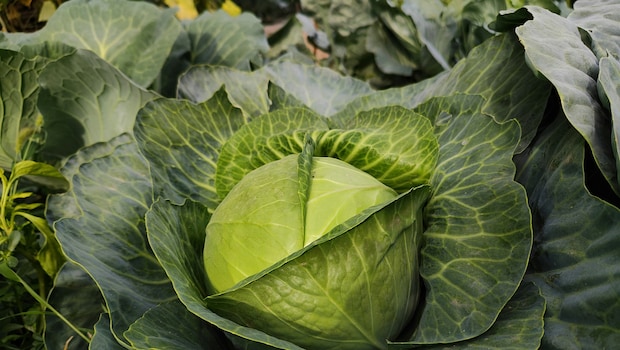
Cabbage has been part of traditional diets across cultures for centuries. Yet despite its long history and impressive nutritional profile, it often attracts unnecessary fear, particularly the belief that eating cabbage, especially raw, can cause worm infestations or serious stomach problems. Let's separate long-standing myths from what modern nutrition and medical science actually tell us.
A Nutritional Powerhouse
Cabbage is a low-calorie vegetable packed with fibre, vitamins, and protective plant compounds. Educational resources from institutions such as the Harvard School of Public Health highlight that vegetables like cabbage help improve gut health, regulate blood sugar, and reduce long-term risk of heart disease when included regularly as part of a balanced diet.
It also contains:
- Vitamin C for immune support
- Vitamin K for blood clotting and bone health
- Folate, essential for cell repair
As part of the cruciferous vegetable family, cabbage contains sulphur-based compounds that support the body's natural detoxification systems. The Cleveland Clinic often describes cabbage as a "gut-friendly" vegetable because its fibre feeds beneficial intestinal bacteria and supports regular digestion.
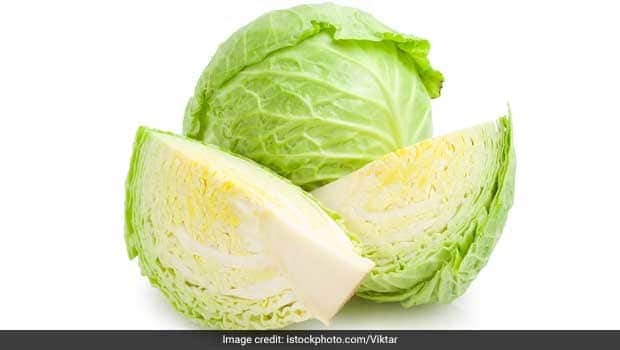
Where Did The Worm Fear Come From?
The belief that cabbage causes worms is widespread, particularly in parts of South Asia. Scientifically, this fear is misplaced.
The green caterpillars sometimes found on cabbage are not the ones that cause neurocysticercosis ("brain worms"). The real concern is the microscopic eggs of the pork tapeworm (Taenia solium), which can contaminate any unwashed leafy vegetable, including cabbage, if exposed to human faecal matter.
Studies have shown that leafy vegetables grown under unhygienic conditions can have higher contamination rates with various parasites. While neurocysticercosis is most strongly linked to undercooked pork, Taenia solium eggs can be ingested through contaminated, raw, or improperly washed vegetables.
Also Read: How To Clean Cabbage To Remove Worms Safely
The Real Issue: Hygiene, Not Cabbage
Because cabbage grows close to the soil, contamination can occur if it is grown in unsanitary environments or irrigated with polluted water. This issue is not unique to cabbage; lettuce, spinach, coriander, and other leafy greens share the same risk.
How To Wash Cabbage Safely
The solution is simple and highly effective:
- Remove the outer leaves
- Wash thoroughly under running water
- Maintain proper kitchen hygiene
- Optional: Rinse in salt water or vinegar water for added safety
When these steps are followed, the risk of contamination becomes negligible.
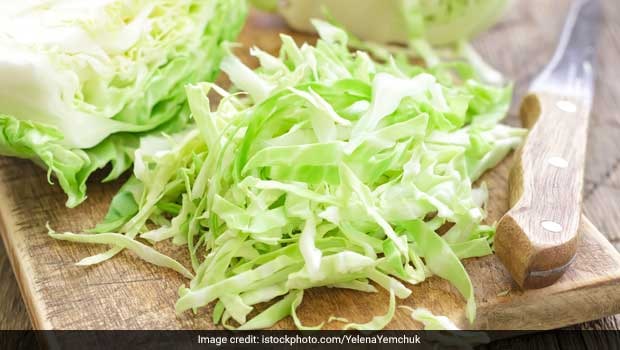
Is Raw Cabbage Safe?
Yes, raw cabbage is safe for most people and is often more nutrient-dense than cooked cabbage, especially for heat-sensitive nutrients like vitamin C. Raw cabbage is eaten worldwide in salads, slaws, and fermented foods.
Some people may experience bloating or gas, but this is due to fermentable fibres, not parasites or toxins. Light cooking or fermentation can reduce this effect in sensitive individuals.
I would still advise caution when consuming raw vegetables outside the home, especially during the summer months, due to hygiene inconsistencies.
Also Read: Gut-Friendly Kimchi Recipe: Easy Homemade Fermented Vegetables With Probiotics
The Bottom Line
Cabbage is a safe, nutritious vegetable with no inherent connection to worms or parasites. Fear around cabbage reflects concerns about sanitation, not the vegetable itself. When cleaned and handled properly, raw cabbage is perfectly safe and continues to be what it has always been: a simple, affordable, and powerful addition to everyday health.