





Kimchi is fermented. That word triggers a specific reaction in Indian kitchens. Either immediate enthusiasm from people who understand what fermentation means for digestion, or visible suspicion from people who've been warned their whole lives that fermented foods are “not good for the stomach.” Both reactions miss the reality: fermented foods, especially kimchi, are genuinely transformative for gut health. Fermentation creates beneficial bacteria called lactobacilli. These bacteria colonise your gut and improve digestion, strengthen immunity, and reduce inflammation. They make vitamins more bioavailable. They feed your beneficial gut bacteria. They transform simple vegetables into something genuinely medicinal. Kimchi specifically has been eaten in Korea for over 3,000 years. Korean longevity statistics remain among the world's best. That's not a coincidence. Kimchi is affordable to make at home. The process requires just 24 hours of active fermentation before tasting. The ingredients are simple. Most importantly, homemade kimchi contains probiotics so potent that one serving provides benefits you'd need capsules to achieve otherwise.
Also Read: 6 Refreshing Detox Drinks To Beat Your Post-New Year's Eve Hangover
What Makes Kimchi Genuinely Gut-Friendly
The Fermentation Process:
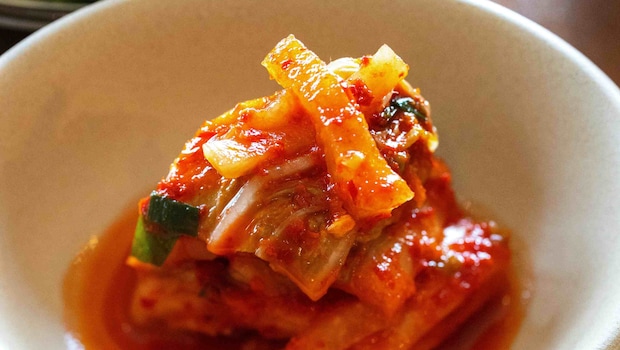
Kimchi ferments through lacto-fermentation, which occurs when lactobacillus bacteria (present naturally on cabbage leaves) consume sugars and create lactic acid. This acidification creates an environment where beneficial bacteria thrive, whilst harmful bacteria cannot survive. The process is identical to how your stomach produces beneficial acids. Kimchi doesn't just sit there. It actively builds a living ecosystem of beneficial microorganisms.
The Probiotics:
One serving of kimchi contains approximately 10 billion to 100 billion colony-forming units (CFU) of beneficial bacteria, depending on fermentation length. To contextualise: store-bought probiotic supplements typically contain 5-50 billion CFU and cost far more. Homemade kimchi provides genuine probiotic content without manufacturing or additives.
The Enzymes:
Fermentation creates enzymes that break down food before it enters your stomach. This means your digestive system requires less work. Your body absorbs nutrients more efficiently. You feel less bloated. Your digestion improves measurably.
Supporting Evidence:
According to nutritionists and researchers, fermented foods like kimchi strengthen the gut-brain axis, supporting mental health alongside digestive health. Regular consumption has been linked to better immune function, improved cholesterol levels, and more stable blood sugar.
Gut-Friendly Kimchi Recipe I How To Make Kimchi At Home

Photo Credit: Pexels
Ingredients:
- 1 medium napa cabbage (approximately 800g)
- 2 tablespoons salt
- 1 tablespoon fresh ginger, grated
- 4-5 garlic cloves, minced finely
- 1-3 tablespoons Korean red chilli flakes (gochugaru) or cayenne pepper
- 2 tablespoons fish sauce (or tamari for vegetarian version)
- 1 medium carrot, julienned
- 3 spring onions, chopped
- 1 daikon radish, julienned (optional)
- 1 tablespoon sugar
Equipment:
- Large mixing bowl
- Glass jar (500ml to 1 litre)
- Fermentation weight or small water-filled zip-lock bag
Method:
Cut the napa cabbage into 1-inch pieces. Place in a large bowl and massage with 2 tablespoons of salt. The salt extracts water from the cabbage, creating brine naturally. Add enough water to cover the cabbage and let it sit for 1-2 hours. The cabbage will wilt considerably.
After the salting period, drain the cabbage thoroughly but save the brine. Rinse the cabbage gently 2-3 times to remove excess salt. Squeeze out remaining water. In a small bowl, create the paste by combining ginger, garlic, chilli flakes, fish sauce, and sugar. Blend or mash until it becomes a paste.
In a large bowl, combine the drained cabbage with the paste. Add julienned carrot, spring onions, and radish if using. Massage everything together with gloved hands for 3-5 minutes until vegetables are evenly coated and begin to release additional juice.
Pack everything tightly into your glass jar, pressing down so the vegetables sit beneath the level of their own juices. The vegetables must stay submerged to prevent mould. If needed, pour reserved brine over the top until vegetables are covered. Place a fermentation weight on top to keep everything beneath the liquid line.
Cover loosely with a lid (don't screw tightly) and place at room temperature (ideally 18-22°C) for 24-72 hours. Check daily. You should see small bubbles rising, indicating fermentation is happening. After 24 hours, taste it. If it tastes pleasantly sour and still crunchy, it's ready. If it tastes mostly salty, leave it another day or two.
Once fermented to your taste, move to the refrigerator where it keeps for months. The fermentation slows dramatically in cold temperatures but continues slowly, developing deeper flavour over time.
Why This Recipe Is Different
The Fermentation Timing:
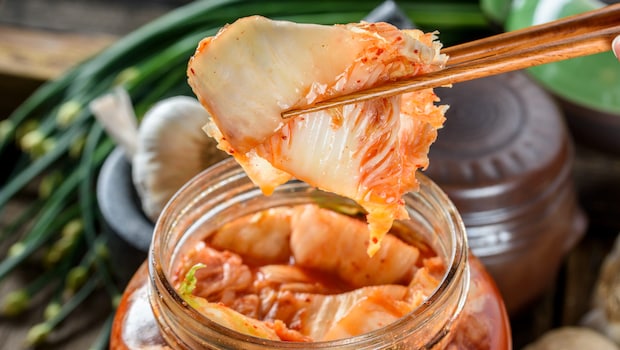
Unlike some recipes requiring week-long fermentation, this version reaches perfect taste within 24-48 hours. This shorter timeline preserves crunchiness whilst building beneficial bacteria. The cabbage remains crisp rather than becoming soft.
The Paste Consistency:
By creating a paste first, you ensure even distribution of beneficial spices and salt. Every vegetable piece gets coated, creating consistent flavour and uniform fermentation.
The Brine Balance:
Salt is crucial, but excessive salt inhibits fermentation. This recipe uses exactly the right amount: enough to kill harmful bacteria and preserve vegetables, not so much that fermentation slows.
Also Read: Weight Loss Without Crash Diets: How To Eat Better In 2026
Incorporating Kimchi Into Your Daily Diet

As A Condiment:
Add 2-3 tablespoons to your plate of dal and rice. The sourness and spice complement mild curries beautifully. The probiotics work alongside spices to improve digestion.
In Breakfast:
Scramble kimchi with eggs. The fermented flavour adds complexity to simple eggs. Serve with toast or flatbread.
In Rice Dishes:
Make kimchi fried rice by stir-frying yesterday's rice with kimchi, vegetables, and eggs. The fermentation adds depth no fresh ingredient can match.
In Soups:
Add to vegetable soups or lentil soups just before serving. The probiotics remain intact if added after cooking completes.
As A Side Dish:
Serve simply with sesame oil drizzle and toasted sesame seeds. This is how Koreans eat kimchi traditionally.
In Sandwiches:
Add to sandwiches or wraps for probiotic-rich crunch that transforms ordinary lunches into genuinely interesting meals.
Storage And Longevity
Homemade kimchi keeps for 3-6 months in the refrigerator when kept submerged beneath its brine. The cold slows fermentation dramatically but doesn't stop it. Over time, the flavour deepens and becomes more complex. The spice mellows slightly as fermentation continues. This is normal and desirable.
If liquid depletes, create additional brine using 1 cup water mixed with 1¼ teaspoons salt. Stir until salt dissolves and pour over the kimchi. This prevents exposure to air, which promotes mould growth.
Also Read: 5 Winter Home Remedies Grandmothers Swear By For Stronger Bones And Immunity
Kimchi represents fermented food culture at its simplest and most effective. Twenty-four hours of preparation transform ordinary cabbage into probiotic medicine. The process requires no special equipment beyond a glass jar. The ingredients are affordable. The result is something that genuinely improves digestion, strengthens immunity, and transforms how your body processes food. For Indian audiences especially, kimchi offers something our traditional food culture has always understood: fermented foods are powerful medicines disguised as condiments. Making kimchi at home connects you to this understanding. Every serving reminds you that ancient food cultures were right about what they valued. Fermentation isn't a trend. It's a tradition. It's medicine. It's delicious.