

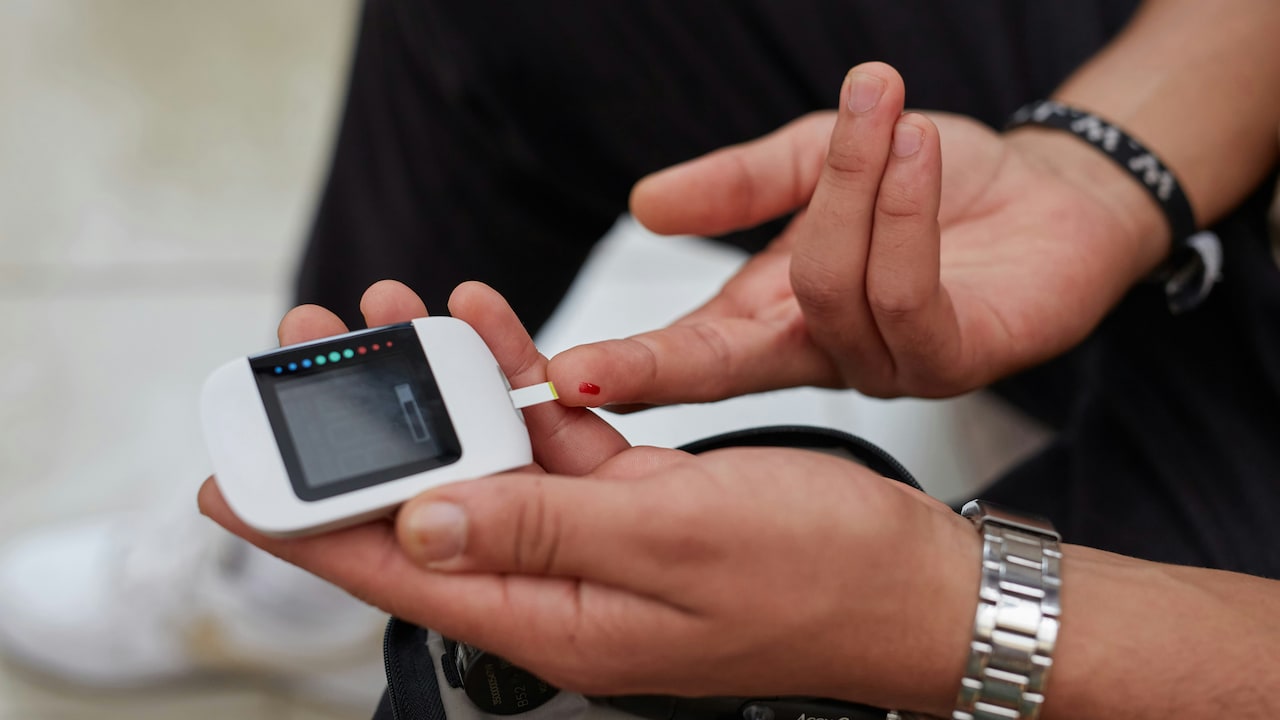
After a good meal, most of us are ready to sit back and relax. Some head for the couch, while others jump straight back into work. But experts say the period right after eating can have a bigger impact on your health than you might expect. A short walk of just 10 to 12 minutes may help with digestion and support healthier blood sugar levels after meals. Here's why this simple habit is worth adding to your routine.











Also Read: Is Alkaline Water Good For You? Experts Weigh In
Why Should You Walk After Eating?
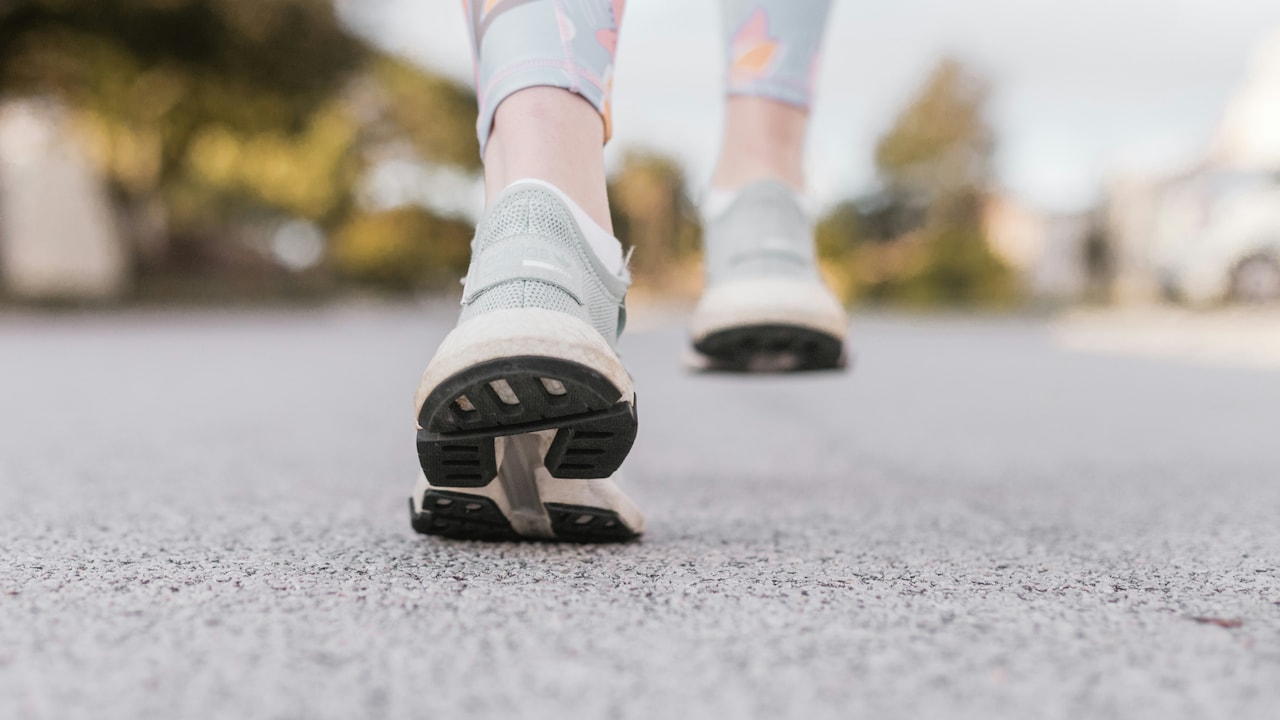
Photo: Unsplash
According to Gastroenterologist Dr. Saurabh Sethi, a short walk after meals helps your body process food more efficiently while supporting metabolic health. Here are some of the benefits he highlights.
1. May Help Your Body Handle The Rise In Blood Sugar After Meals
After eating, your body breaks down carbohydrates into glucose, causing blood sugar levels to rise. According to Dr. Sethi, a short walk after meals slows how quickly glucose enters the bloodstream, helping reduce sharp blood sugar spikes and lowering the amount of insulin the body needs to release.
A study published in Scientific Reports also found that light walking after meals can improve post-meal blood glucose levels, particularly in people with diabetes and insulin resistance.
2. Supports Better Digestion
Dr. Sethi says light movement activates the gastrointestinal tract and the vagus nerve, which may help food move through the digestive system more smoothly. According to him, this may support stomach emptying and reduce sluggish digestion after meals.
3. May Help Ease Bloating
If you often feel uncomfortably full after eating, a gentle walk may help. According to Dr. Sethi, walking after meals improves gut motility and may reduce gas retention, making it especially helpful for people who experience bloating or meals that “sit heavy.”

4. May Reduce Acid Reflux After Meals
Lying down immediately after eating can sometimes make reflux worse. Dr. Sethi explains that a slow walk keeps food moving through the digestive tract, which may reduce acid exposure and episodes of heartburn.
5. May Improve How Your Body Uses Insulin
Dr. Sethi says muscles use glucose for energy during a walk, allowing them to absorb sugar from the bloodstream with less dependence on insulin. Over time, this may help improve insulin sensitivity.
How Long Should You Walk?
According to Dr. Sethi, the ideal duration is 10 to 12 minutes at a slow-to-brisk pace after lunch, dinner or your largest meal of the day.
Also Read: Honey And Warm Water For Weight Loss: Does The Popular Morning Ritual Actually Work?
Diabetics Need To Focus On Diet As Well
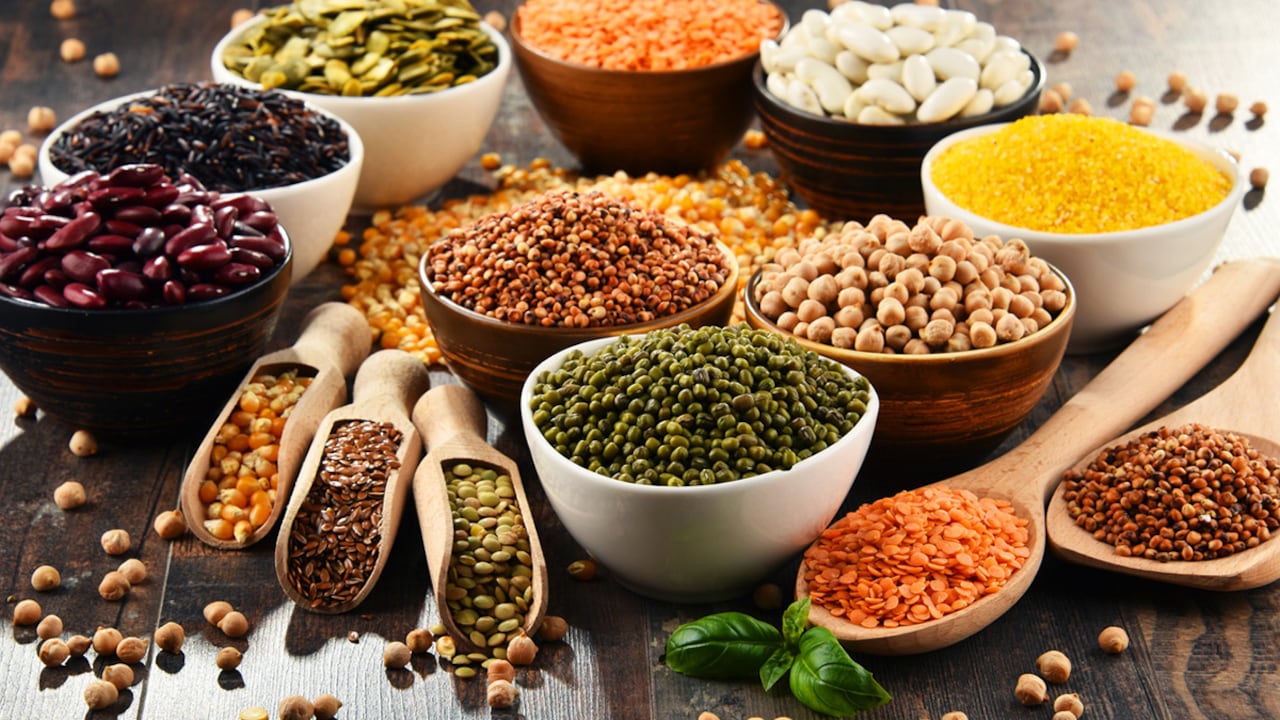
A short walk can be a healthy addition to your routine, but what you eat matters just as much. According to nutritionist Rupali Datta, people with diabetes or insulin resistance should include foods such as whole grains, pulses, green leafy vegetables, nuts and seeds as part of a balanced diet. Pairing nutritious meals with regular physical activity may help support better blood sugar management.
So, if you have diabetes, try and incorporate this simple habit in your routine to manage blood sugar levels properly.