








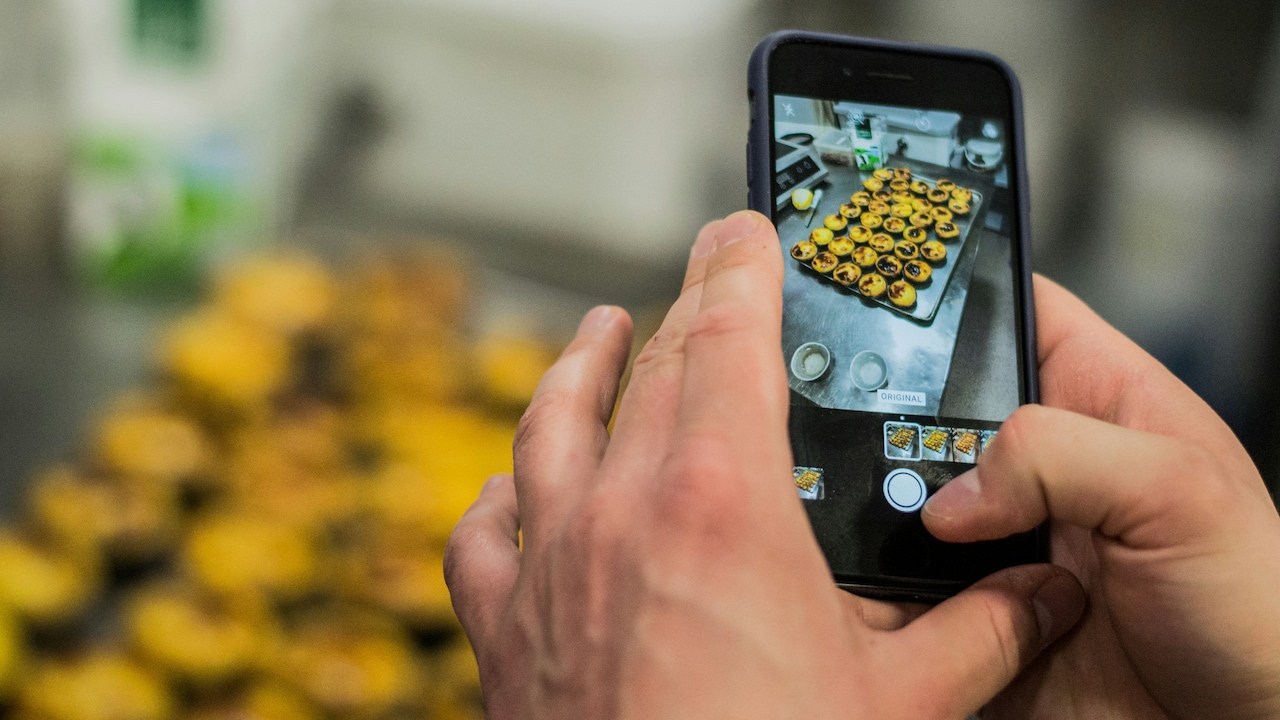
The slew of regulatory raids on the kitchens and back areas of legacy hotels and restaurants in Mumbai and Bengaluru has set off parallel waves of disappointment, uncertainty and introspection in the hospitality industry across the country. The mixed sentiment was conveyed to the Food Safety and Standards Authority of India (FSSAI) CEO, Rajit Punhani, in New Delhi on Monday by a cross-industry delegation led by the National Restaurant Association of India (NRAI). The same mixed bag of emotions was shared by industry leaders in conversations with NDTV.com.
Also Read: 'Chalta Hai' Attitude Won't Be Tolerated: Tukaram Mundhe To NDTV
The common refrain was that the raids were a wake-up call for the industry. Industry leaders, however, questioned the selective targeting of legacy brands and the Maharashtra FDA's decision to peremptorily shut down businesses instead of serving them with improvement notices (an action subsequently struck down by local courts).
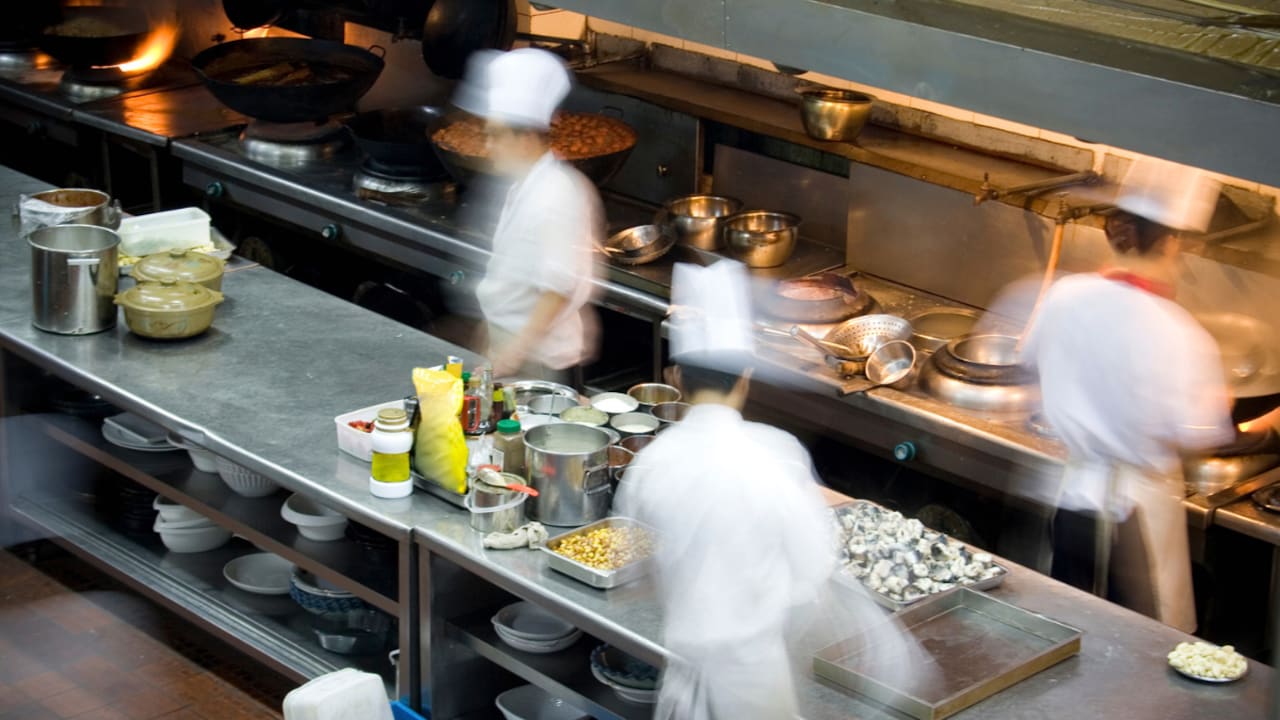
Responding to the headline-grabbing wave of actions, former FSSAI CEO Pawan Agarwal said that regulators need to strike a balance between deterrence, which creates fear in the short term, and capacity building, which prepares hotels and restaurants to get their back of the house in order.
Agarwal said he has always had great faith in the industry's capacity for self-policing. During his tenure as CEO, a similar controversy had been stoked by the noted green activist and Executive Director of the Centre for Science and Environment, Sunita Narain, about the presence of potassium bromate, which was then banned in many countries, in the bread we eat. Instead of raiding bread makers, Agarwal held talks with them, declared his intention to get the relevant rules amended, and gave them time to figure out how to produce bread without the harmful chemical. The industry listened, the rules were changed, and no penal action was taken against anyone.
Gauri Devidayal, founder and co-owner of The Table, Mumbai, which was named India's Best European Restaurant at NDTV Food Awards 2026, amplified Agarwal's point by noting that regulatory authorities must conduct annual health and sanitary checks at the time of the annual licence renewals. She was also in favour of the system of annual ratings of restaurants and hotels by regulatory authorities, which is in place in many countries.
These steps, according to Devidayal, create a durable culture of voluntary compliance, instead of short-term fear resulting from sensational actions. Or, as Agarwal put it, "Punitive actions only lead to fear and raids only make headlines."
NRAI Trustee Anurag Katriar's advice to regulatory agencies is to "fix the problem rather than the blame". He pointed out that no restaurant or hotel would ever want to harm its clientele in any way. "We have a greater stake than any regulatory agency in the well-being of our customers," Katriar emphasised.
Photo: Unsplash
What the industry has not been able to wrap its head around are the grey areas, like the distinction between 'Best Before' and 'Expiry' dates, or how long one can deep freeze meats and fish. And of course, paneer has always been a problematic ingredient.
In Mumbai, the presence of chemically manipulated 'analog paneer' in the raided premises became an issue, leading Katriar to ask: "Should dining establishments be penalised because of non-compliance by the producer?" Restaurant consultant Ramindar Bakshi has this to say about the popular dairy product: "Paneer is invariably the first target of food inspectors." His advise to the industry? Go only for established suppliers of paneer or demand a quality assurance certificate for each consignment you buy.
The raids, however, have got the industry more focused on health and sanitary concerns. And the course correction, according to Nitin Shankar Nagrale, Founder and General Secretary, Hospitality Procurement Managers Forum (HPMF), must begin from the purchase departments of hotels and restaurants.
"Our role goes far beyond negotiating price, quality and delivery," Nagrale said, also emphasising that procurement professionals must now get "more aligned" with thier internal quality control and food safety teams.
Also Read: Singapore Law Minister Calls Poori And Chai Combo In Delhi A 'Near-Perfect Breakfast'
"We need to build compliance into the procurement process itself rather than addressing it after a product has been purchased," Nagrale said.
The seasoned procurement professional also laid down two defining guidelines for his professional peers:
- Before onboarding any supplier or product, we must verify specifications, labelling, shelf life, storage conditions, certifications, traceability and documentation and see if the measure up to the prevailing regulatory requirements.
- This becomes even more important for imported products, where the standards or accepted practices in the country of origin may differ from those applicable in India.
Drawing from the recent episodes, Samir Kuckreja, creator of the NRAI's definitive 'India Food Service Report' and Founder-CEO, Tasanaya Hospitality, said: "The industry should actively work on regular independent food safety audits and conduct regular training of its employees. The government, on its part, should ensure defined rules are followed with transparency and without bias.” These words sum up the hospitality industry's response to its biggest credibility crisis in a long time.
(About the Author: Sourish Bhattacharyya is a noted New Delhi-based food columnist, author and blogger, and a print journalist with more than three decades of experience.)
Disclaimer: These are the personal opinions of the author