


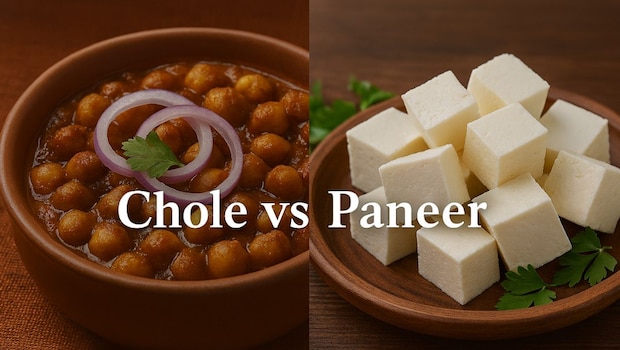
When it comes to weight loss, protein plays a crucial role in keeping you full, supporting muscle repair and boosting metabolism. In Indian kitchens, two popular protein-rich options are chole (chickpeas) and paneer (cottage cheese). Both are versatile, delicious and packed with nutrients, but which one is better for your fitness goals? While chole is a plant-based powerhouse, paneer is a dairy favourite among vegetarians. Understanding their benefits can help you make the right choice for your diet. Whether you prepare them fresh at home or enjoy the convenience of ordering through an online food delivery app, these dishes are easy to include in your routine. Let us dive into the details.
Also Read: How To Make Jowar Paneer Paratha For A Healthy Breakfast
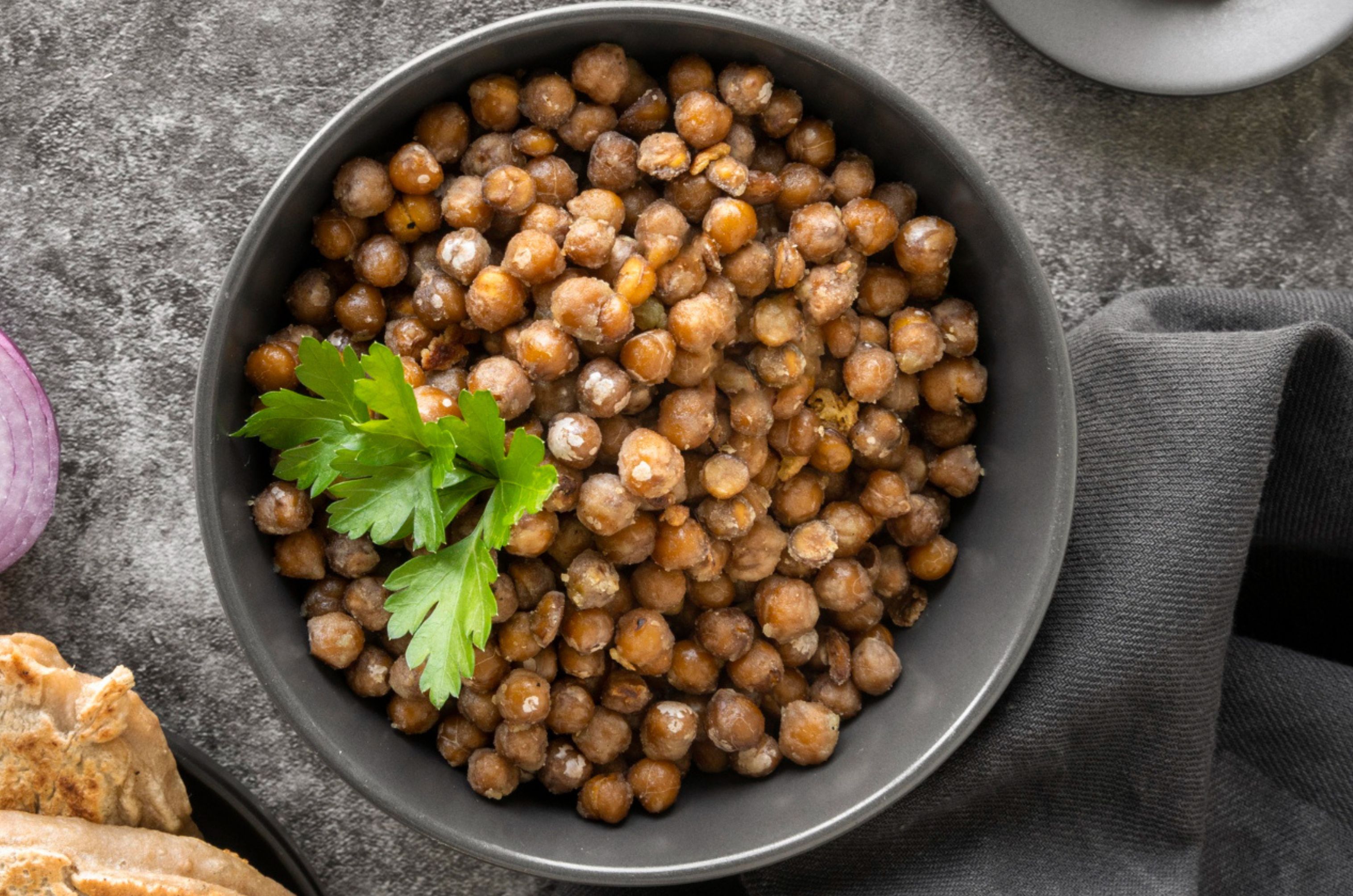
Photo Credit: Freepik.
Health Benefits Of Chole (Chickpeas)
1. Rich In Plant-Based Protein
Chole is an excellent source of plant-based protein, making it ideal for vegetarians and vegans. A 100-gram serving of cooked chickpeas provides about 8-9 grams of protein, which helps in muscle repair and satiety. According to a study published in Nutrients Journal, plant proteins can aid weight management by reducing hunger and calorie intake.
2. High In Fibre
Chole is packed with dietary fibre, which promotes digestion and keeps you feeling full for longer. This helps prevent overeating and supports healthy weight loss. Research from The American Journal of Clinical Nutrition highlights that high-fibre diets are linked to better appetite control and reduced body fat.
3. Supports Heart Health
Chickpeas contain soluble fibre and essential minerals like magnesium and potassium, which help lower cholesterol and maintain healthy blood pressure. A study in the British Journal of Nutrition found that regular consumption of legumes like chickpeas improves cardiovascular health.

4. Low Glycaemic Index
Chole has a low glycaemic index, meaning it releases sugar slowly into the bloodstream. This helps regulate blood sugar levels and prevents sudden spikes, making it suitable for people managing diabetes or aiming for steady energy during weight loss.
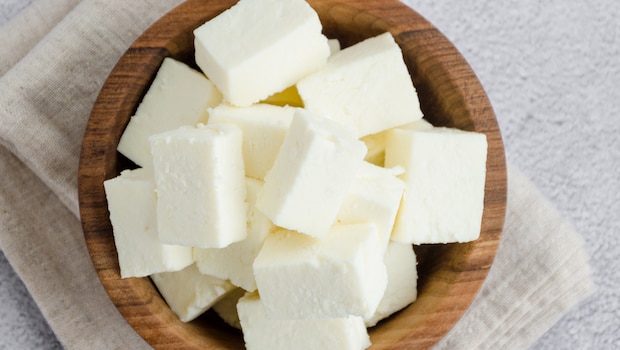
Photo Credit: iStock
Health Benefits Of Paneer (Cottage Cheese)
1. Excellent Source Of Complete Protein
Paneer provides high-quality protein with all essential amino acids. A 100-gram serving offers around 18 grams of protein, which is almost double that of chickpeas. This makes paneer a great choice for muscle building and recovery. According to Journal of Dairy Science, dairy proteins are highly effective for maintaining lean body mass during weight loss.
2. Rich In Calcium
Paneer is loaded with calcium, which supports bone health and aids fat metabolism. Calcium-rich diets have been linked to improved fat breakdown and weight management, as noted in a study published in Obesity Research.
3. Keeps You Fuller For Longer
Paneer's combination of protein and fat provides sustained energy and satiety. This helps reduce cravings and unnecessary snacking, which is essential for weight loss. Including paneer in your meals can help you stick to portion control without feeling deprived.
4. Low In Carbs
Paneer is naturally low in carbohydrates, making it suitable for low-carb or keto diets. This helps maintain stable blood sugar levels and supports fat loss. Its low-carb profile makes it a perfect addition to high-protein meal plans for weight management.
Also Read: Struggling With Gas After Rajma Or Chole? Try This Kitchen Technique
Which Is A Better Protein Source? Chole Or Paneer?
Both chole and paneer have unique benefits. If you are looking for a plant-based option with added fibre and heart health benefits, chole is a fantastic choice. On the other hand, paneer offers more protein per serving and is ideal for those focusing on muscle building and strength. For weight loss, combining both in your diet can give you the best of both worlds - protein, fibre and essential nutrients.
Whether you choose chole or paneer, both are nutritious and versatile. They are easy to prepare at home, and if you are short on time, you can always enjoy the convenience of ordering them from your favourite online food delivery platform.
Disclosure: This article may contain links to third-party websites or resources. However, this does not affect the integrity of the content, and all recommendations and views are based on our independent research and judgment.