

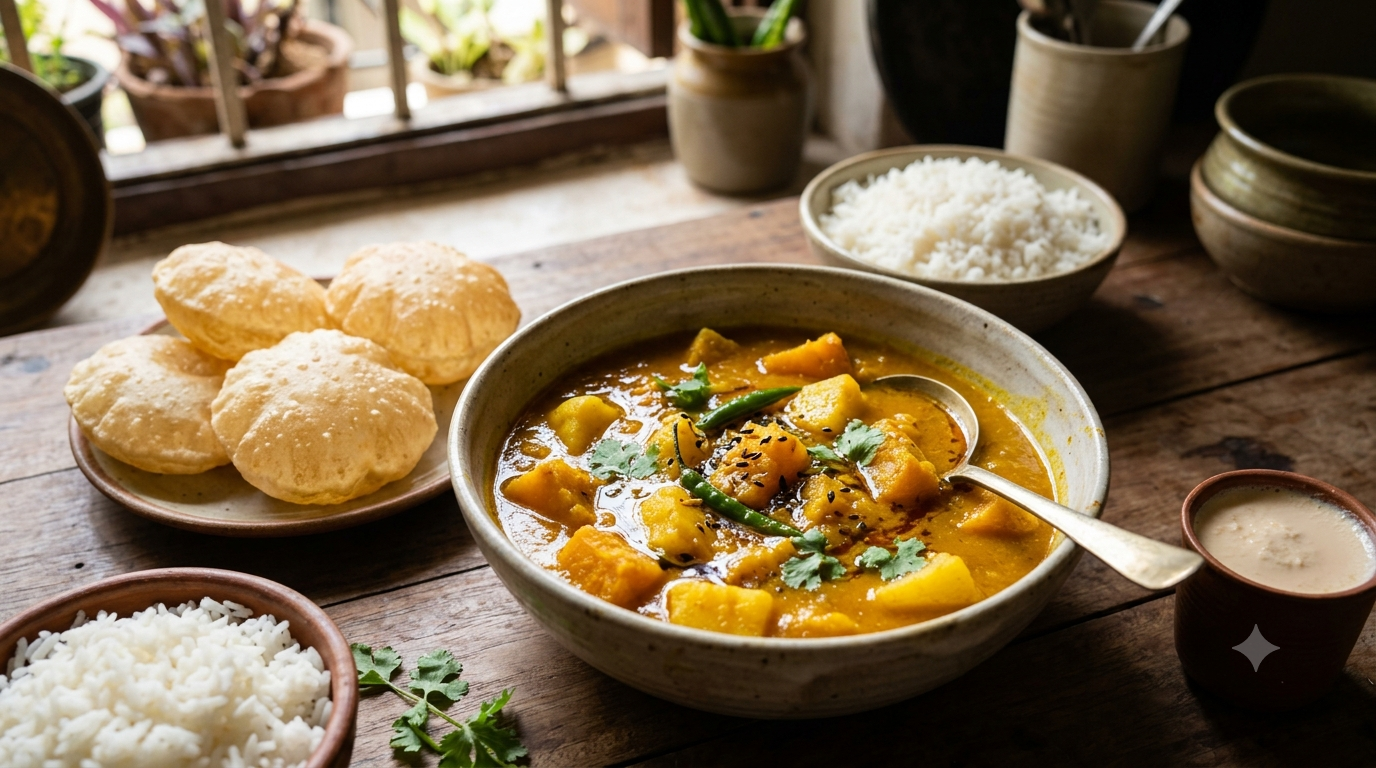


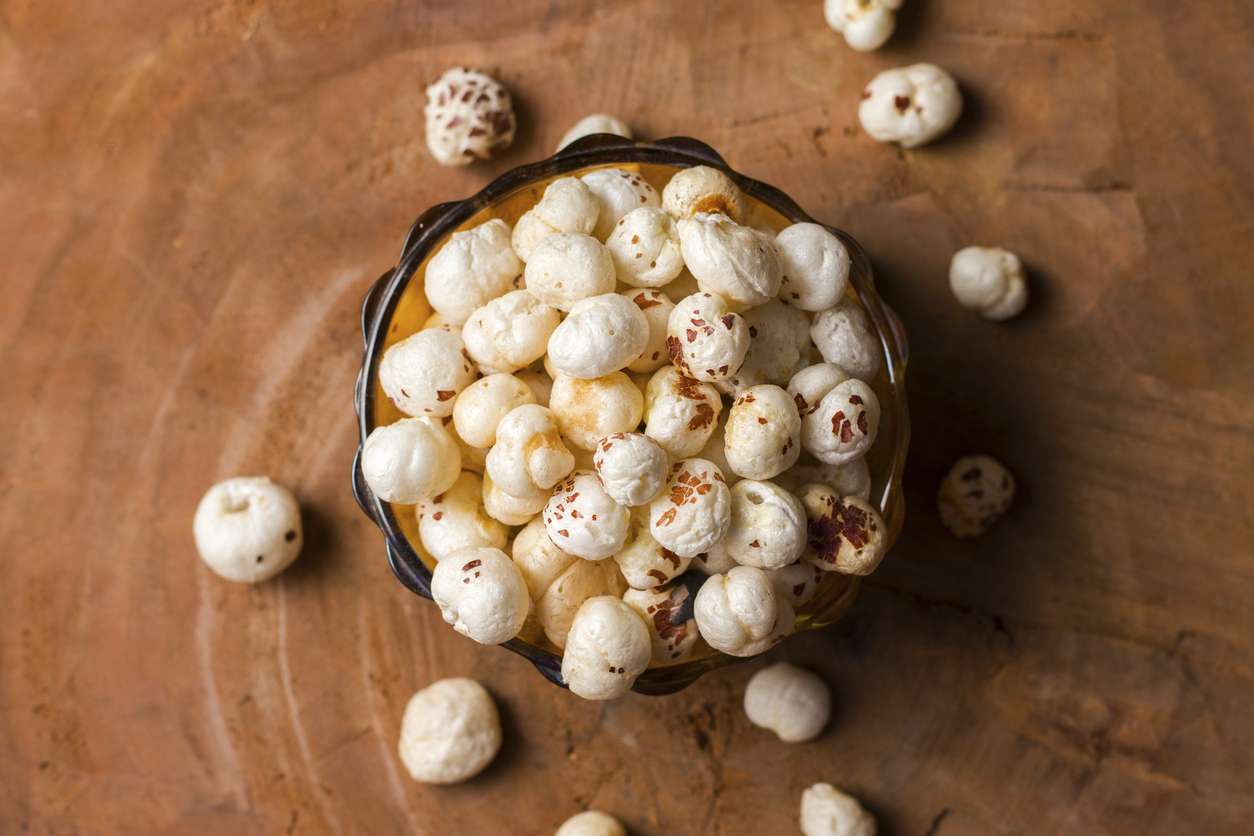




Winter cooking in India is a special kind of comfort. As the air turns crisp and markets brim with seasonal produce, this is the time when hearty, warming sabzis aren't just comforting, they are packed with seasonal nutrition too. Many winter vegetables like peas, spinach, bathua and mushrooms contribute plant protein alongside fibre, antioxidants and warmth that your body craves when temperatures drop. And on days when you're short on time or energy, you can always order a delicious, high-protein winter sabzi from your favourite food delivery app to your doorstep. But if you love cooking, these six sabzis prove that seasonal eating can be delicious and nourishing, without ever feeling heavy.
Also Read: Sprouts vs Boiled Chana: Which Is Better For Weight Loss?
Here Are 6 High-Protein Winter Sabzis You Can Make This Season
1. Matar Ki Sabzi
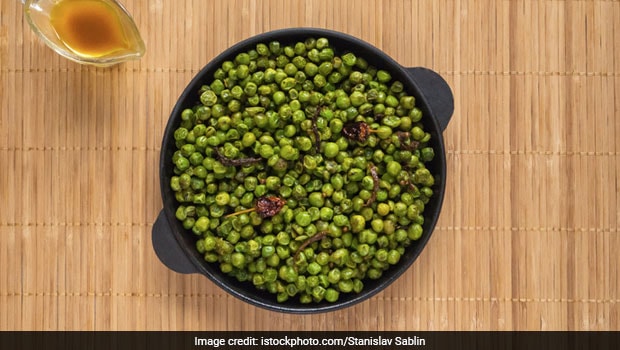
Sweet winter peas are one of the standout protein-rich vegetables of the season, offering around 5–6 grams of protein per 100g alongside fibre and antioxidants. Matar ki sabzi, which is lightly spiced with cumin, turmeric and a hint of chilli, feels both comforting and bright. It pairs beautifully with rotis or rice and doesn't require much oil or fuss. Because fresh peas taste sweeter and more vibrant in winter, the dish feels naturally satisfying even without paneer or other heavy additions.
2. Palak Sabzi (Spinach)
Spinach is a classic winter green that delivers around 3g of protein per 100g, along with iron, calcium and other nutrients that support immunity. A simple palak sabzi, sauteed with garlic, cumin and a squeeze of lemon, can be a standout side or main when served with chapatis or rice. When cooked, spinach shrinks to a nutrient-rich base that feels both light and deeply wholesome, making it ideal for everyday winter dinners or lunchboxes.
3. Sarson Ka Saag
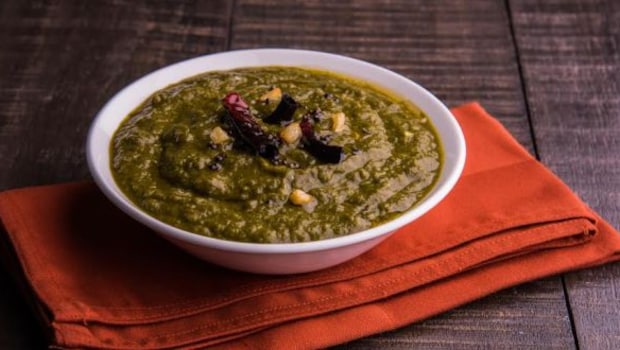
Mustard greens (sarson) are a winter favourite and another leafy green with meaningful protein and micronutrients in every bite. Slow-cooking mustard greens with a touch of garlic, ginger and ghee brings out an earthy flavour that feels like winter in a bowl. Pair with makki ki roti and a spoon of jaggery or white butter for a complete, protein-forward meal that is both traditional and nourishing. Make this delicious recipe at home or order it from your favourite food delivery app in no time.

4. Matar Mushroom Sabzi
Matar (green peas) and mushrooms make a hearty winter combination that's both nutritious and comforting. Mushrooms provide about 3g of protein per 100g, while peas add fibre and plant-based protein, making this dish a smart choice for balanced meals. A simple saute with onions, ginger, green chillies, and a sprinkle of black pepper brings out earthy flavours. Finish with a splash of lemon for brightness. This sabzi pairs beautifully with rotis, parathas, or even steamed rice for quick, wholesome dinners.
5. Gobhi Matar
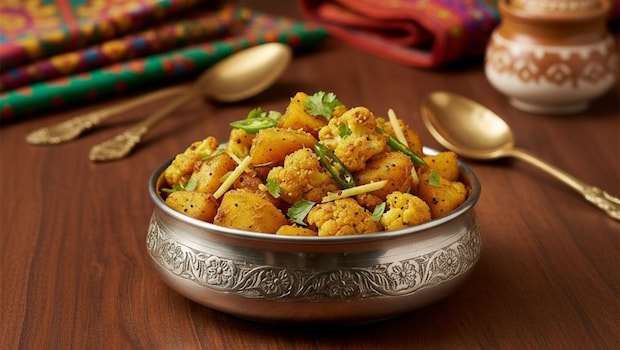
Cauliflower and peas make a winter sabzi that is both hearty and nutrient-dense. While cauliflower by itself has moderate protein, combining it with peas boosts not just flavour but overall nutritional punch. Spiced with cumin, turmeric and coriander, gobhi matar is a classic dish that tastes even better in cold weather. It works beautifully with rotis, millet breads and rice, and holds its texture well even when cooked slowly.
6. Bathua Sabzi
Bathua is one of winter's most protein-dense leafy greens, with roughly 4g of protein per 100g and a rich mineral profile. Often overlooked outside northern India, bathua sabzi sauteed with garlic and cumin feels deeply seasonal and wholesome. It's especially good with rotis and curd, or can be folded into parathas for a heartier meal that warms you from the inside out.
Cooking Tips For Winter Sabzis

Winter vegetables are packed with flavour and nutrients, but how you cook them makes all the difference. Here are some practical tips to keep your sabzis wholesome and tasty:
- Choose Fresh Seasonal Produce: Winter greens like spinach, bathua, and mustard leaves taste sweeter and retain more nutrition when fresh.
- Cook on Low Heat: Slow cooking preserves vitamins and enhances flavour, especially for leafy greens.
- Add Warming Spices: Ginger, garlic, cumin, and black pepper not only boost taste but also aid digestion in cold weather.
- Balance Oil and Ghee: A small spoon of ghee adds richness and helps absorb fat-soluble nutrients without making the dish heavy.
- Finish with Freshness: A squeeze of lemon or sprinkle of coriander brightens the dish and adds vitamin C.
How To Make Your Winter Meals More Wholesome and Warm

Winter meals should feel comforting yet balanced. Here's how to elevate your plate:
- Pair sabzis with whole grains like millet rotis or brown rice for added fibre.
- Include protein boosters such as lentils, paneer, or legumes for satiety.
- Use seasonal herbs like fresh coriander or methi to enhance flavour and nutrition.
- Add healthy fats like sesame seeds or flax for crunch and omega-3 benefits.
- Serve meals hot and fresh as warm food feels more satisfying in winter.
- Complement sabzis with soups or kadhi for extra warmth and hydration.
So, what are you waiting for? Make your winter meals wholesome and nutritious with these delicious recipes!
Disclosure: This article may contain links to third-party websites or resources. However, this does not affect the integrity of the content, and all recommendations and views are based on our independent research and judgment.