


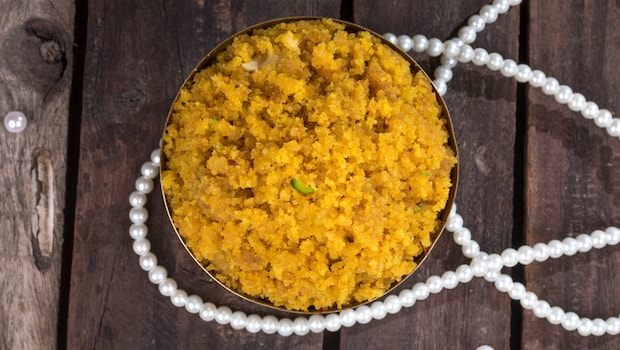
Every Indian household has that moment. The end of the bread loaf with a few slices nobody wants to eat. The edges are a bit hard. The bread's not exactly fresh. Throwing it out feels wasteful. Making bread pakora again feels boring. Enter bread halwa, the genius Indian sweet that transforms forgotten bread slices into rich, aromatic, melt-in-your-mouth dessert. This isn't just "using up leftovers." This is elevating humble ingredients into something genuinely special. Bread halwa has royal origins. It's a staple at Hyderabadi weddings, served alongside biryani. It's what mums make when unexpected guests arrive and they need dessert in 20 minutes. It's comfort food disguised as celebration sweet. The magic is simple: fry bread pieces in ghee until golden and crispy. Cook them in milk with sugar until they turn soft and gooey. Add cardamom for warmth, cashews for crunch, and more ghee for that glossy richness. The result? A dessert so delicious that guests won't believe it started as leftover bread. And the best part? Unlike other halwas that need constant stirring and precise technique, bread halwa is forgiving. No worry about getting the consistency wrong. No stress about sugar syrup stages. Just bread, milk, ghee, sugar, and 25 minutes of your time. Ready to turn those sad bread slices into celebration-worthy mithai?
Also Read: Struggling With Thyroid? Expert Shares 5 Superfoods That Could Make A Difference
The Complete Bread Halwa Recipe
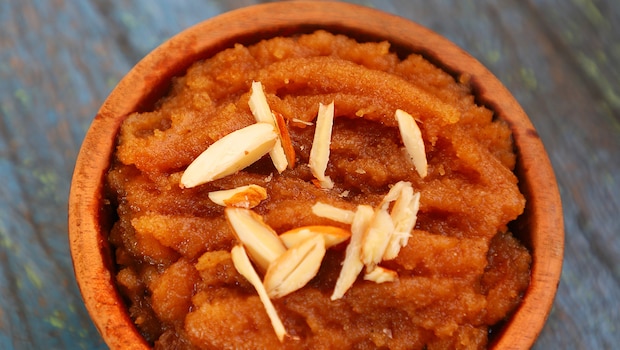
Photo Credit: iStock
Serves: 4-6 | Prep Time: 10 minutes | Cook Time: 20 minutes | Total: 30 minutes
Ingredients:
For the Halwa:
- 6-8 white bread slices (slightly stale works perfectly)
- ⅓ cup ghee (about 80ml, divided use)
- 1½ cups full-fat milk (boiled and kept warm)
- ⅓ cup sugar (adjust to taste)
- ¼ teaspoon cardamom powder
- Pinch of saffron (optional, soaked in 2 tablespoons warm milk)
For Garnish:
- 3 tablespoons cashews (broken)
- 2 tablespoons raisins
- 2 tablespoons sliced almonds (optional)
Method:
Step 1: Prep the Bread
Remove the brown edges from bread slices if you prefer (though they add texture, so keeping them is fine). Cut bread into small cubes, about 1-inch pieces. If using very stale bread, microwave for 20-30 seconds to soften slightly before cutting.
Step 2: Fry the Nuts
Heat 2 tablespoons ghee in a heavy-bottomed kadhai or pan on medium heat. Add cashews and fry until golden brown, stirring constantly (about 2 minutes). Remove with a slotted spoon and set aside. In the same ghee, add raisins and fry until they puff up (30 seconds to 1 minute). Remove and set aside. Reserve these for garnishing later.
Step 3: Roast the Bread
In the same kadhai, add another 2-3 tablespoons ghee. Add the bread cubes. Reduce heat to medium-low. Roast the bread pieces, tossing and turning frequently, until they're evenly golden brown and crispy. This takes 5-7 minutes. The bread should be nicely crisp and fragrant.
Important: Don't rush this step. Properly roasted bread gives the halwa its characteristic flavour and colour. Undercooked bread makes pale, soft halwa. Burnt bread makes bitter halwa. Golden brown is perfect.
Step 4: Add Milk
Pour the warm milk over the fried bread. The bread will sizzle. Mix well with a spatula, ensuring all bread pieces are submerged. The bread will start absorbing milk immediately. Let it cook on low heat for 2-3 minutes. As it cooks, mash the bread with the back of your spatula or ladle. The bread will break down and become soft.
Step 5: Add Sugar
Once the bread is soft and mushy, add sugar. Mix well. The mixture will become very gooey and wet initially. Don't worry, this is normal. Keep cooking on low to medium-low heat, stirring frequently.
Step 6: Cook Until Thickened
Continue cooking and stirring for 8-10 minutes. The mixture will gradually thicken as the liquid reduces. You'll see it starting to leave the sides of the pan. At this stage, the halwa should be soft, moist, and hold together but not be sticky or gluey.
Step 7: Final Touches
Add the remaining ghee (about 2 tablespoons), cardamom powder, and saffron milk (if using). Mix well. Cook for another 2-3 minutes, stirring continuously. The ghee should start oozing out from the sides, this is the sign the halwa is ready. Add the fried nuts and raisins, reserving a few for topping.
Step 8: Serve
Transfer to a serving bowl or plate. Garnish with the reserved nuts. Serve warm or at room temperature.
Storage: Refrigerate in an airtight container for up to 3 days. Reheat in microwave or on stovetop with a splash of milk.
Also Read: Mumbai's New Invite-Only Bar Has Been Designed By Gauri Khan At An Iconic Location
Pro Tips for Perfect Bread Halwa
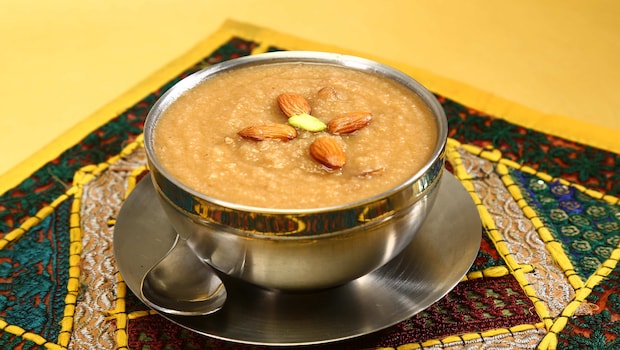
1. Use White Bread: White bread (not whole wheat or multigrain) works best. It has the right texture and sweetness. Fresh or one-day-old bread is ideal, but 2-3 day old bread works too.
2. Don't Skimp on Ghee: Ghee isn't just for cooking—it's for flavour and texture. The halwa needs enough ghee to separate and become glossy. Using less ghee makes dry, dull halwa.
3. Roast Bread Properly: This step determines the halwa's final colour and flavour. Golden brown bread = rich, aromatic halwa. Pale bread = bland halwa. Burnt bread = bitter halwa. Take your time.
4. Use Full-Fat Milk: The creaminess comes from full-fat milk. Toned milk or skim milk makes thin, less rich halwa.
5. Adjust Sugar to Taste: Start with ⅓ cup sugar. Taste after adding it. If you want sweeter, add more. Remember, the bread and milk add slight sweetness too.
6. The Right Consistency: The halwa should be soft and moist but hold together when you take a spoonful. It shouldn't be runny or dry. If too dry, add a splash of milk. If too wet, cook longer.
7. Add Ghee in Stages: Don't add all ghee at once. Fry nuts in ghee, roast bread in ghee, add more at the end. This builds flavour gradually.
8. Fresh Cardamom: Freshly ground cardamom powder makes a huge difference. Pre-ground cardamom loses its aroma quickly.
9. Saffron for Special Occasions: Saffron isn't necessary but adds beautiful colour, aroma, and makes the halwa feel festive.
10. Serve Warm: Bread halwa tastes best warm. The ghee is aromatic, the texture is soft, and the flavours are most prominent when served fresh.
Variations to Try
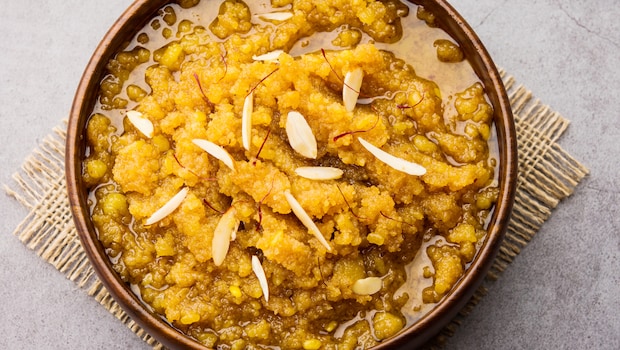
1. Bread Halwa Without Milk
Replace milk with water and follow the same method. Add extra ghee for richness. This version has longer shelf life (no milk to spoil) and is lighter.
2. Bread Halwa with Khoya
Add ¼ cup crumbled khoya/mawa to the halwa in the last 5 minutes of cooking. This makes it extra rich and creamy—perfect for special occasions.
3. Jaggery Bread Halwa
Replace white sugar with powdered jaggery for a more earthy, wholesome sweetness. Add it the same way as sugar.
4. Rose-Flavoured Bread Halwa
Add ½ teaspoon rose water or 2-3 drops rose essence at the end for a fragrant, elegant twist. Garnish with dried rose petals.
5. Chocolate Bread Halwa
Add 2 tablespoons cocoa powder to the milk before adding bread. Kids love this version.
6. Condensed Milk Version
Replace regular milk with 1 tin (400ml) sweetened condensed milk + ½ cup water. Reduce or skip sugar since condensed milk is already sweet. This makes incredibly rich, creamy halwa.
7. Dry Fruits Loaded
Add chopped dates, figs, pistachios, and walnuts, along with cashews and raisins for a premium, dry fruit-heavy version.
Also Read: Complete Guide To Making Authentic Japanese Sushi Rice At Home Better Than Restaurants
Why Bread Halwa Works
Bread halwa proves that great food doesn't need expensive ingredients or complicated techniques. Sometimes it just needs resourcefulness and a good recipe. That leftover bread sitting in your kitchen? It's not a waste. It's potential. Potential for something aromatic, rich, comforting, and genuinely delicious.
The next time you have bread slices languishing in your fridge or kitchen counter, don't make bread pakora again. Don't resign yourself to bread upma. Make bread halwa. Fry those bread cubes in generous ghee until they're golden. Let them soak up creamy milk and sugar. Add cardamom and cashews. Watch as something ordinary transforms into something celebration-worthy.
Because that's what Indian cooking does best—take the humble, the leftover, the forgotten, and turn it into magic. Bread halwa is that magic. And now you have the recipe.