



Perimenopause can feel like your body suddenly has a mind of its own. One minute you're fine; the next, you're fanning yourself, waking up at night, or feeling strangely irritable for no clear reason. It's a confusing phase-but the good news is that your daily food choices can actually help you feel more balanced. So the answer is yes, food doesn't fix perimenopause, but it can help manage the symptoms.
Understanding Perimenopause
First, let's understand what's happening. During perimenopause, estrogen levels don't just drop-they fluctuate unpredictably. This affects your body's thermostat (hence the hot flashes), your mood, sleep, and even how your body stores fat. It can feel like your system has lost its rhythm. Food becomes a useful tool to support your hormones, stabilise blood sugar, and reduce inflammation. When these are steady, symptoms tend to feel less intense.
How Does Food Make A Difference?
Eating more plants can make a noticeable difference. Make a gentle shift-no extremes. Studies show that women who eat more vegetables, fruits, lentils, nuts, and seeds throughout their lives often report fewer or milder symptoms. These foods are rich in fibre and natural compounds that support hormone balance. They also help with weight management, which matters because excess body fat can make hot flashes worse. So, go big on veggies, fruits, and legumes.
Also Read: What Really Happens To Leftover Buffet Food? Sanjeev Kapoor Answers
The soy connection we often hear about actually holds some truth. Soy foods like tofu, soy milk, and roasted soybeans contain natural plant compounds that act like weak estrogen in the body. For some women, this can help ease symptoms like hot flashes or mood swings. It works gradually, not instantly, so introduce it in ways that suit your taste.
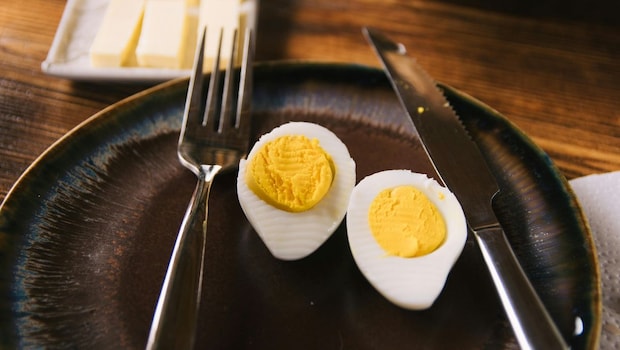
Photo: Pexels
Seeds are tiny nutritional powerhouses. When it comes to perimenopause, flaxseeds stand out. They may be small, but they're surprisingly effective. Packed with healthy fats and plant compounds, they support hormone balance. Just one spoon a day, added to curd, smoothies, or even atta, can be an easy habit with long-term benefits.
The idea is to aim for balance, not perfection. What helps more is eating at regular times, mindfully, and keeping meals balanced. Include a protein source in each meal (eggs, paneer, and dals), some healthy fats (nuts and seeds), and plenty of fibre (vegetables, fruits, and whole grains). This helps keep blood sugar stable - leading to fewer mood swings, less fatigue, and even better sleep.
What to go easy on:
Some foods can quietly trigger or worsen hot flashes in certain people. These include:
- Too much caffeine
- Very spicy or oily meals
- Excess sugar
- Alcohol
- You don't have to eliminate them completely, just notice how your body responds and adjust accordingly.
From an Ayurvedic perspective, this phase is about slowing down and nourishing the body. Instead of extremes, the focus is on warmth, balance, and calming the system. Two commonly recommended herbs are Shatavari, traditionally used for women's hormonal support, and ashwagandha, known for helping with stress and sleep. Warm, cooked meals with simple spices like cumin, fennel, and turmeric are preferred. Think khichdi, light sabzis, and soups, comforting and easy to digest. It's less about restriction and more about nurturing your body.
Also Read: Prayagraj Has Officially Named Its Signature Dish, And It's A Street Food Everyone Loves
My takeaway: Don't fight perimenopause, understand it and support your body through it. Loading up on plant-based foods, eating balanced meals, adding smart inclusions like soy and seeds, and adopting gentle lifestyle habits can reduce the intensity of hot flashes and help you feel more like yourself again.
Nothing extreme. Nothing complicated. Just small, steady choices, every day.