

If you have ever tried making a panna cotta at home, or attempted a wobbly fruit jelly for a dinner party, you have probably stood in a grocery aisle staring at two very similar-looking packets and wondered which one to pick. Gelatine and agar agar are both gelling agents, both turn liquids into set, jelly-like textures, and both show up in recipes with casual confidence as though they are interchangeable. They are not. Choosing the wrong one can completely change the texture, stability, and even the flavour of what you are making. Here is everything you actually need to know.
Also Read: Baisakhi 2026: 5 Traditional Desserts To Celebrate The Festival With
Gelatine vs Agar Agar
| Feature | Gelatine | Agar Agar |
| Source | Protein from animal collagen (usually pork) | Plant-based, derived from red algae |
| Cultural Considerations | Not vegetarian; pork-based gelatine conflicts with some religious dietary laws; Halal/kosher/fish options exist but are harder to find | Vegetarian-friendly, widely acceptable in Indian households |
| Form in Market | Powders, sheets | White powder or thin strips (China grass) |
| Taste & Odour | Neutral | Tasteless and odourless |
| Activation | Dissolves in warm water; gels as it cools | Must be boiled to activate; gels as it cools |
| Melting/Setting Points | Melts at ~35°C; sets at lower temperatures; melts at body temperature for a creamy mouthfeel | Sets around 37°C; melts at ~85°C; remains stable at room temperature |
| Texture | Soft, melt-in-the-mouth, flexible and reversible setting | Firmer, slightly brittle; non-reversible once set |
| Culinary Uses | Panna cotta, mousse, jellies, glazes | Jellies, puddings, fruit desserts, savoury moulds |
| Advantages | Creamy, delicate texture; can re-melt and reset | Vegetarian, heat-stable, sets quickly and firmly |
| Challenges | Dietary restrictions, limited availability of certified variants | Lacks creamy melt-in-mouth texture; cannot be remelted once set |
The Texture Question, And Why It Matters More Than You Think
This is where the two really diverge, and where many home cooks go wrong when they try to substitute one for the other.
Gelatine in low ratios makes a soft gel, and in higher ratios makes a stretchy, chewy, bouncy, elastic gel. Gelatine will also melt at body temperature, which adds to a unique mouthfeel experience. The low melting point allows you to taste more of the flavours. Agar, on the other hand, will always make a brittle gel. This means that the gel will break down into small pieces. Because of its high melting point, the gel will not melt, and you will feel those pieces when you eat an agar gel.
That last sentence is the important one. Agar agar gives you a clean, slightly firm, slightly grainy break rather than that silky dissolution. Think of the difference between a firm fruit jelly that you can slice cleanly and a wobbly, creamy mousse that melts the moment it hits your tongue. Those are fundamentally different textures, and they require fundamentally different gelling agents.
If agar is used for making mousse and other desserts, the tender taste is completely lost. Likewise, if gelatine is used for making desserts such as cold cakes, the texture loses its firmness. This is not about one being better than the other. It is about matching the right ingredient to the right recipe.
The Storage And Stability Difference
This one is particularly relevant for Indian home cooks and for anyone putting together food for gatherings or events.
Desserts made with agar can be placed directly at room temperature, even in the hot summer. Desserts made with gelatine, on the other hand, need to be kept refrigerated to prevent melting. If you are making a jelly or a layered dessert for a party where the food is going to sit out for a while, agar agar is the practical choice. A gelatine-set dessert left on a table in a warm room will slowly lose its shape and, eventually, turn into an expensive puddle.
This is also why mithai shops and traditional Indian sweet makers have always worked with agar agar. China grass barfi, coconut milk jellies, custard-style puddings set with agar, all of them survive an Indian summer far better than anything made with gelatine.
Which Recipes Call For Which?
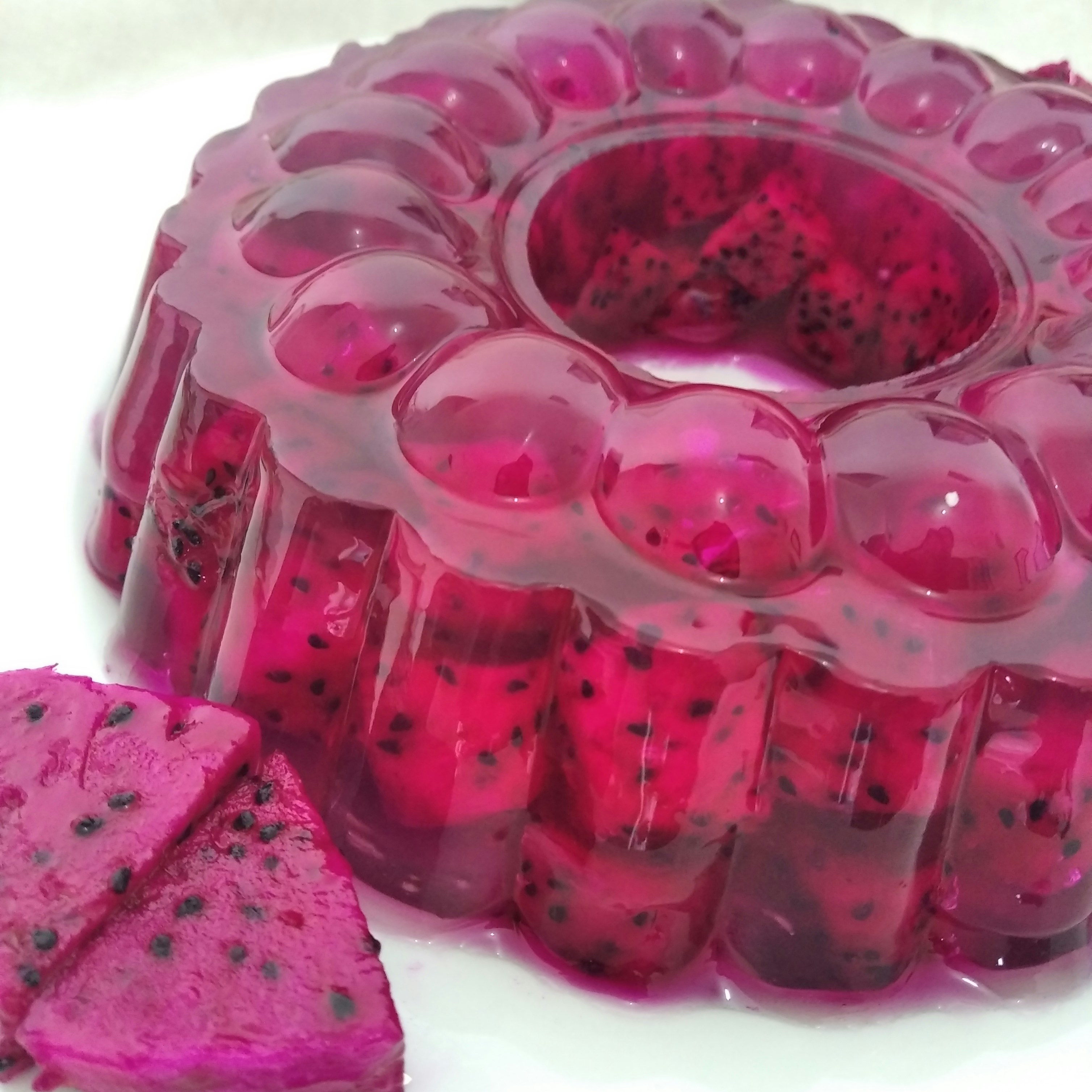
Let's get specific, because this is where theory becomes actually useful.
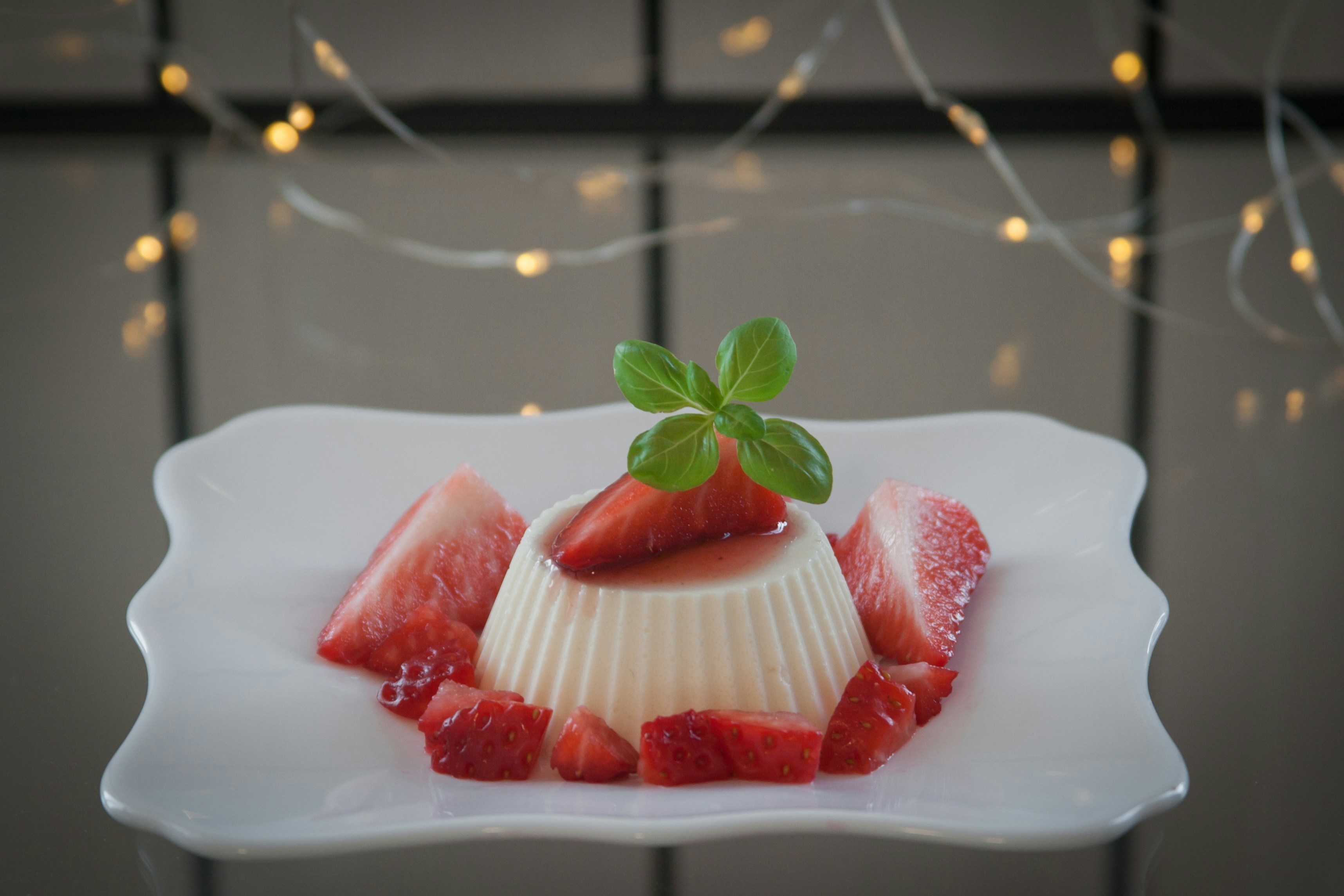
Reach for gelatine when you are making a mousse, a bavarois, a panna cotta, a mirror glaze for a cake, or a classic European-style wobbly dessert where that melt-in-the-mouth creaminess is the whole point. Gelatine is perfect for dairy-based desserts, light custards, and anything requiring a delicate and elastic set. Its melting point is close to body temperature, which adds to its pleasant mouthfeel. It is also essential for marshmallows and gummy confections, where you need that stretchy, chewy bite.
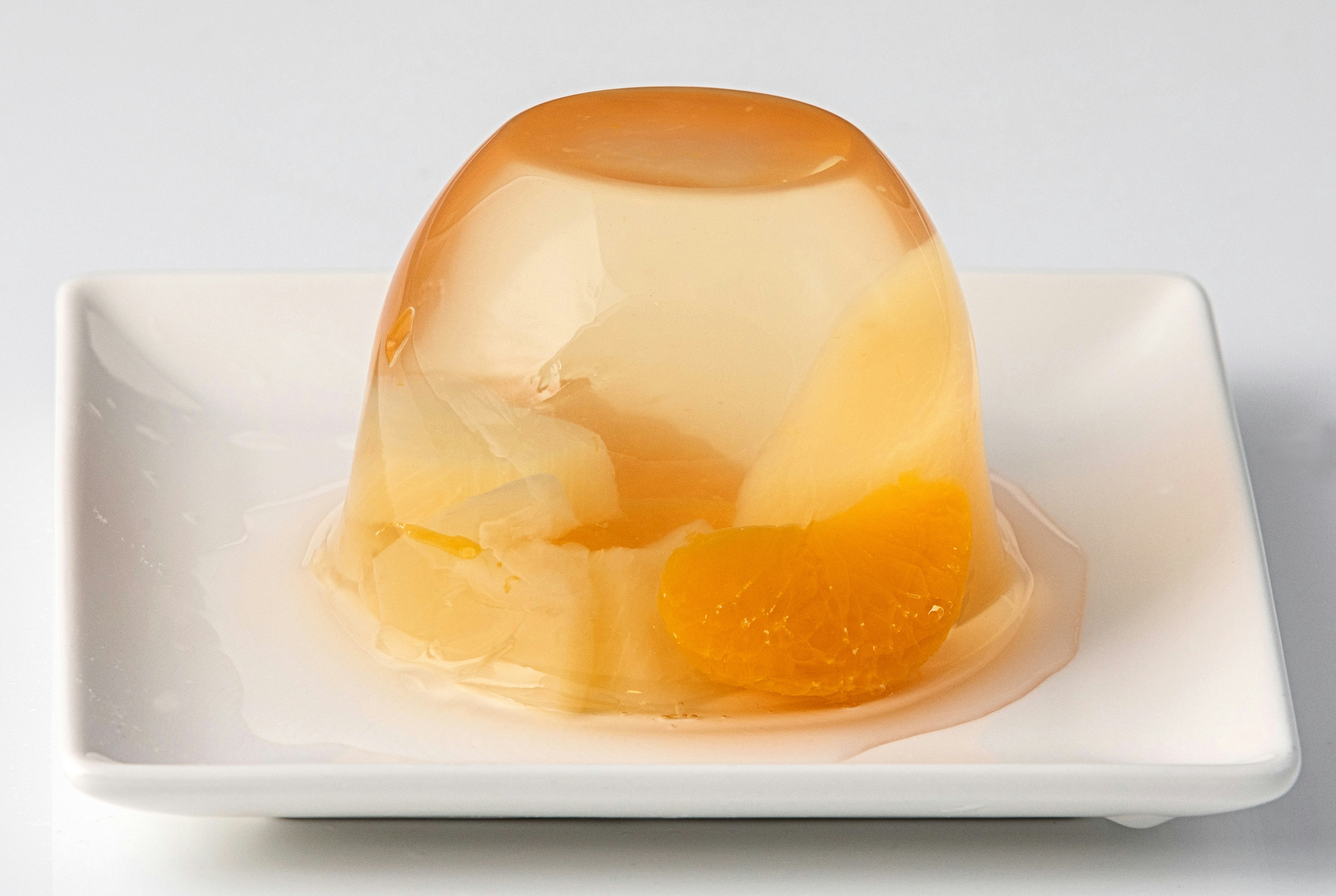
Reach for agar agar when you are making firm jellies, layered fruit desserts, any jelly that needs to survive at room temperature, or any recipe where you or your guests are vegetarian or have dietary restrictions around animal products. Agar is perfect for recipes that require a firmer set, like fruit gelées, jellies, or even plant-based panna cotta. Its higher melting point makes it a great choice for recipes that need to hold up under heat or for presentations that require a stable, firm texture.
In the Indian kitchen specifically, agar agar is the obvious default for phirni-adjacent set desserts, coconut milk jellies, falooda jelly, and any layered dessert where you want clean, defined slices. It is also used in savoury applications, agar can be used as a thickening agent in soups and sauces, though this is less common in home cooking.
Also Read: 5 Hatke Ways To Use Peanuts In Indian Cooking Beyond Chutney
How To Substitute One For The Other (And Why It Is Tricky)
Agar agar vs Gelatine
- Agar is more potent; do not substitute 1:1.
- Rough ratio: 1 tsp agar = 1 tbsp gelatine (about 1/3 the amount).
Texture & Usage
- Soft gel textures need ~0.75% agar of recipe weight.
- Example: 1,000 g recipe → 7.5 g agar (vs 15 g gelatine).
- Agar sets firmer and slightly brittle.
Method Differences
- Agar: Boil in water ~5 mins → mix hot → cool to set (≈1 hr).
- Gelatine: Bloom in cold water 5–10 mins → gently heat → mix warm (do not boil).
- Agar cannot be added to cool mixtures; it sets before mixing evenly.
Special Notes
- Acidic ingredients (citrus, strawberries, pineapple) weaken agar.
- May need more agar or pre-cook acidic fruit.
The Forms Agar Agar Comes In
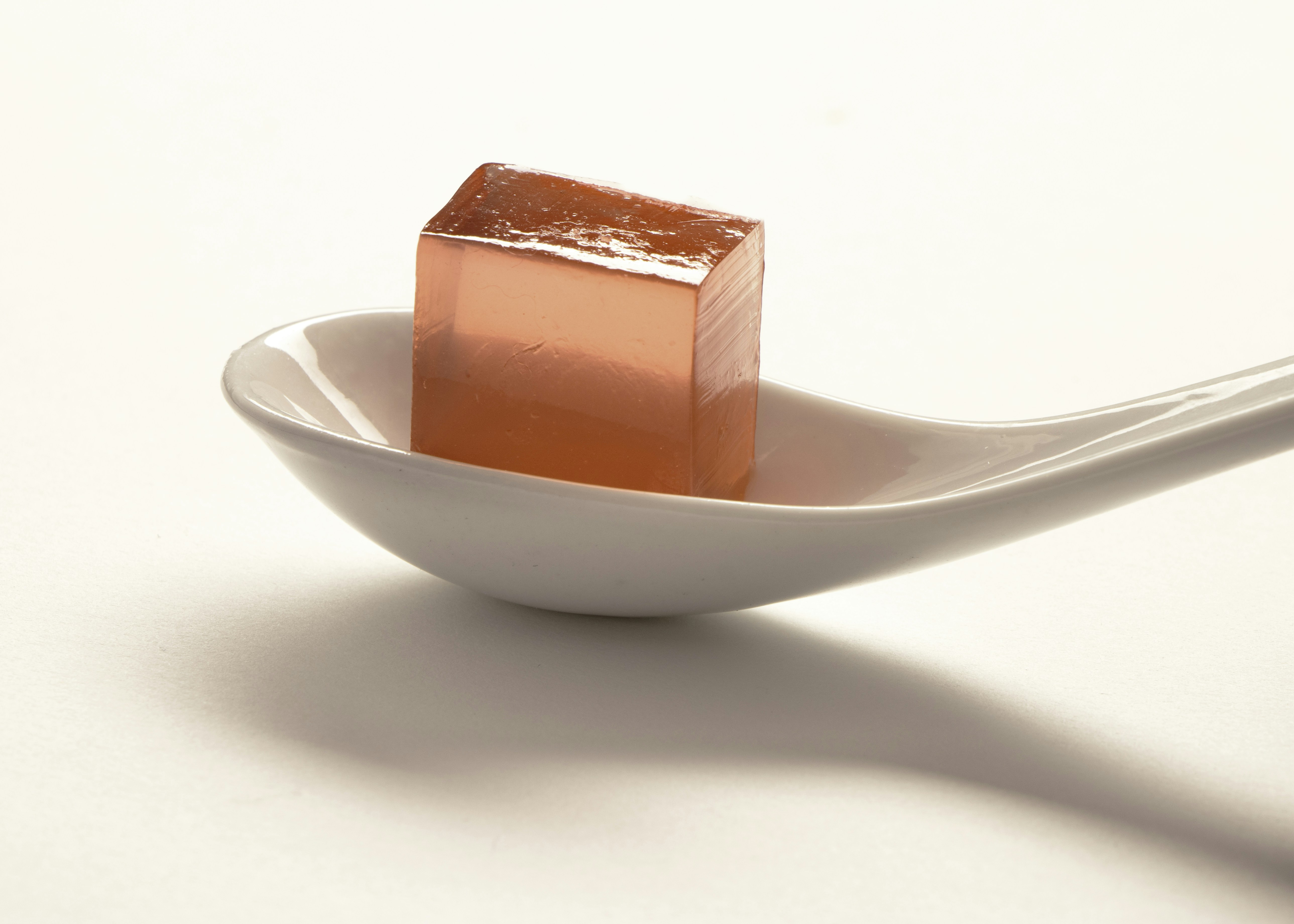
If you are new to using agar agar, it helps to know what to look for on the shelf. Agar is available in various forms, including flakes, powder, bars, and strands. In India, you will most commonly find it as thin, white, brittle strands sold as China grass or as a fine white powder. The powder is easier to measure and dissolves more consistently. The strands need to be soaked and then boiled, and can sometimes be less reliable in terms of strength. For consistent results, especially if you are new to working with agar, the powder is the better choice.
A Practical Note On Getting It Right
One of the challenges with agar agar is that its gelling strength can vary between brands and even between batches. This is because the seaweed harvest from which it is derived is affected by climate and growing conditions. The best approach: when converting a recipe from gelatine to agar, the general rule of thumb is always to start low and work upwards if need be. You can always make a slightly firmer set softer next time. A set that is too firm because you used too much agar, however, is harder to rescue.
Gelling Agents
There is no universal winner here; gelatin and agar agar each do specific things well. Gelatine gives you that soft, silky, melt-on-the-tongue quality that makes a mousse or a panna cotta worth making. Agar agar gives you structure, stability, and a set that survives a Mumbai afternoon without any drama. For most Indian kitchens, agar agar will be the daily default for practical and dietary reasons. But if you are cooking for a mixed table and the recipe specifically calls for that creamy, wobbly European dessert texture, gelatin is the ingredient that will get you there. Know what you are making, know what texture you are after, and choose accordingly. That is really all there is to it.