


Restaurant pasta tastes different. The sauce feels richer, the flavours are deeper, and the texture has that glossy, confident finish that clings to every strand of pasta. People assume it requires expensive ingredients or chef-level equipment, but the truth is simpler. A brilliant pasta sauce does not need a long ingredient list or complex cooking. It needs four basic things done properly. Tomatoes, olive oil, garlic, and salt may look minimal, yet when treated with care and cooked with patience, these ingredients transform into a sauce that tastes slow-cooked and intentionally crafted. This is not about shortcuts. This is about understanding what matters and allowing the ingredients to shine.











Also Read: 6 Indian Winter Sweets That Taste Even Better In The Cold
Why Restaurant Pasta Sauce Tastes Better

Restaurants take their time and respect technique. Home cooks often rush, add too many ingredients, or cook on high heat.
The core differences are:
- Quality of tomatoes: Better tomatoes mean better sauce.
- Heat control: Gentle simmering brings out sweetness and depth.
- Proper garlic technique: Slow infusion prevents bitterness.
- Emulsification: The melding of oil and tomato water creates richness.
- Patience: The final flavour comes from slow cooking, not added extras.
This is why a four-ingredient sauce can taste fuller than one packed with ten items that compete with each other.
The Four Ingredients That Matter
Tinned Tomatoes (San Marzano recommended)
These tomatoes are naturally sweet, balanced, and less acidic. They break down beautifully during the simmer.
Extra Virgin Olive Oil
Choose good quality oil with real olive flavour. It forms the base of the sauce and impacts aroma and richness.
Fresh Garlic
Thinly sliced garlic infuses the oil and gives the sauce its signature depth.
Sea Salt
Seasoning is the backbone of simplicity. Without enough salt, tomatoes taste flat.
Nothing else is required. No onions, herbs, cream, or stock. Just four strong building blocks.
Quick Recipe Overview

| Serves | Prep Time | Cook Time | Total Time |
| 4 | 5 minutes | 35 to 40 minutes | 45 minutes |
Ingredients
- 800g tinned San Marzano tomatoes or crushed tomatoes
- 100ml extra virgin olive oil
- 6 cloves garlic, thinly sliced
- 2 teaspoons sea salt plus extra to taste
Method
Step 1: Infuse the Garlic in Oil
Pour the olive oil into a large saucepan over medium heat. Once the oil is warm, add the sliced garlic. Stir gently and allow it to sizzle softly for 3 to 4 minutes. The garlic should turn pale gold at the edges. If it browns, it becomes bitter and affects the entire sauce. This slow infusion replicates the depth found in restaurant sauces.
Step 2: Add the Tomatoes
Add the tinned tomatoes along with their juices. Stir immediately to combine. Add the sea salt. Break up any whole tomato pieces with a spoon. The mixture will bubble slightly as the temperatures meet.
Step 3: Simmer Slowly
Reduce the heat to low. Allow the sauce to simmer gently for 30 to 35 minutes. Stir every few minutes to prevent sticking. A slow simmer is crucial because it reduces water, mellows acidity, and encourages the oil and tomatoes to bind.
Step 4: Check for Doneness
Taste the sauce after 30 minutes. It should be deeper in flavour, slightly thickened, and less sharp. If it still tastes acidic or watery, cook for another 5 minutes.
Step 5: Adjust Seasoning
Remove from heat. Add more salt if required. If the acidity remains strong, add a tiny pinch of sugar, no more than a quarter teaspoon. This balances the tomatoes without making the sauce sweet.
The final sauce should be rich red, glossy, full-bodied, and aromatic, with oil and tomatoes emulsified into a smooth, restaurant-style finish.
Also Read: Is Your Daily Bread Omelette Healthy Or Not? A Nutritionist Breaks It Down
Why This Technique Works
- Slow garlic infusion builds depth
- Gentle simmering softens acidity
- Tomato water evaporates gradually, concentrating flavour
- Oil binds with tomatoes to create richness
- Minimal seasoning prevents muddled flavours
This is the foundation behind almost every great tomato-based pasta dish.
Restaurant Hacks That Improve Flavour
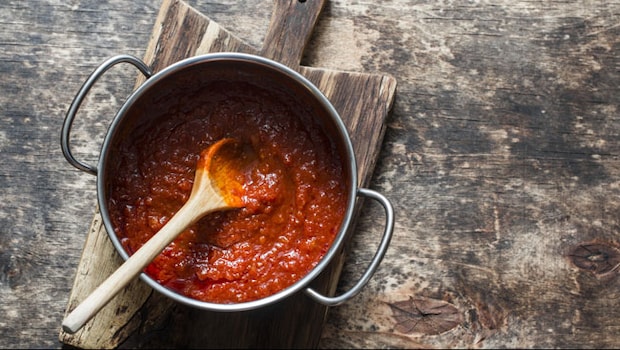
Photo Credit: iStock
Hack 1: Use Whole Tomatoes
Whole San Marzano tomatoes break down naturally during cooking and create better texture than pre-crushed versions.
Hack 2: Save Pasta Water
A small splash of starchy pasta water binds the sauce to the pasta and adds creaminess without cream.
Hack 3: Finish with Fresh Olive Oil
A drizzle of fresh extra virgin olive oil before serving adds aroma and brightness.
Hack 4: Use a Stainless Steel Pan
Stainless steel promotes better caramelisation and depth compared to non-stick pans.
Variations Without Losing Simplicity
- Add a whole red chilli during simmering for subtle heat, then remove before serving.
- Add torn fresh basil at the end to release fragrance.
- Stir in 50ml double cream at the end for a tomato cream sauce.
- Finish with a knob of cold butter for richness and a smooth, glossy texture.
Pro Tips for a Better Sauce
- Use the best tomatoes within your budget.
- Avoid cheap oil because you taste it directly in the sauce.
- Maintain gentle heat at all times.
- Salt pasta water generously before cooking.
- Stir occasionally but do not overwork the sauce.
Common Mistakes Home Cooks Make
- Browning garlic too quickly
- Cooking on high heat
- Using acidic or low-quality tomatoes
- Adding unnecessary ingredients that mask flavour
- Rushing the simmer
- Forgetting to save pasta water
Avoiding these helps the sauce develop properly.
How to Use This Sauce Beyond Pasta
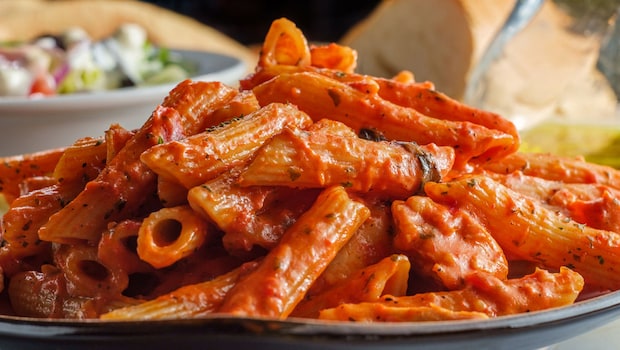
Photo Credit: Image via iStock
- As a pizza base for thin, crisp pizzas
- As a base for lasagne
- As a sauce for shakshuka
- As a dip for bread or mozzarella sticks
- As a freezer-friendly batch sauce for meal prep
The versatility makes the recipe even more valuable.
Also Read: 5 Easy Tips To Make Sweet Potato Fries At Home
Storage and Freezing Tips
Allow the sauce to cool fully before storing. Keep it in airtight containers. It stays fresh in the refrigerator for up to four days. For longer storage, freeze it in portioned containers for up to two months. Reheat gently on low heat and stir to re-emulsify.
The Bottom Line
A restaurant-quality pasta sauce does not come from complexity. It comes from attention to detail. Quality tomatoes, good olive oil, patient simmering, and slow garlic infusion can create a sauce that tastes rich, layered, and intentionally made. This four-ingredient recipe proves that simplicity, when done well, is more powerful than a long ingredient list. Once you master this, it becomes a foundation for countless dishes.