



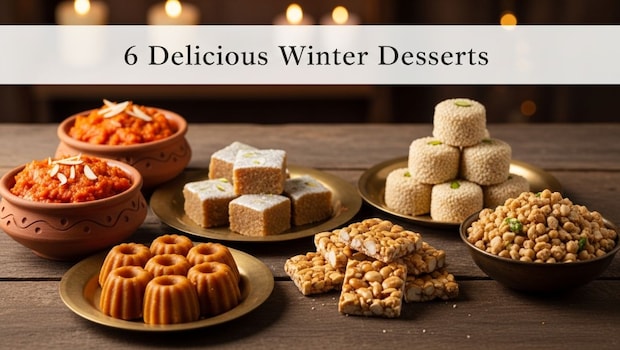
Winter brings a natural shift towards food that feels warm, rich, and deeply soothing. As temperatures drop, sweets made with ghee, jaggery, nuts, and slow-cooked grains become more appealing, partly for comfort and partly for the steady warmth they give the body. Indian winter desserts have always held a strong emotional pull, shaped by tradition, regional habits, and family rituals that come alive at this time of the year. These dishes rely on seasonal ingredients that transform simple everyday produce into something indulgent, cosy, and satisfying. Whether one prefers creamy, nutty, grainy, or caramelised flavours, winter desserts offer an experience that feels nostalgic and grounding. The options are familiar but never dull, and each dish brings its own charm. This list brings together six comforting Indian winter desserts that feel perfect for the season.
Also Read: 5 Easy Tips To Make Sweet Potato Fries At Home
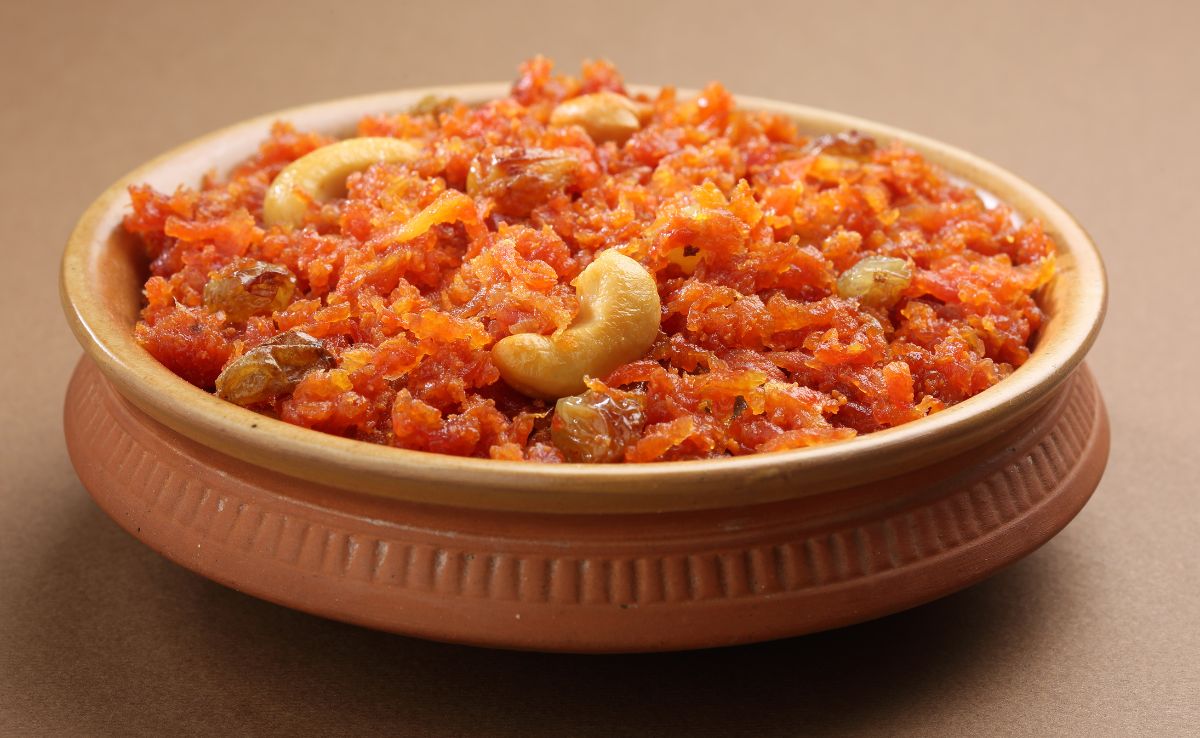
Photo Credit: Canva
Why India Eats More Sweets In Winter
Winter is the season when the body naturally reaches for heavier, warmer foods, which is why Indian households prepare desserts that provide energy and sustained warmth. Many Indian traditions consider ghee, sesame, whole wheat, and jaggery important during colder months because they support digestion and help maintain body heat. Families often prepare these desserts as part of small winter rituals, festivals, or gatherings that create a sense of closeness. The cultural association with warmth and togetherness is one of the main reasons winter desserts feel both familiar and reassuring.
Ingredients That Make Winter Desserts Warming
The appeal of winter desserts also comes from the nature of the ingredients. Ghee supports satiety and gives desserts a rich, smooth mouthfeel. Jaggery offers a deep sweetness and is known for producing warmth in the body. Sesame and whole wheat are valued for energy. Milk reduces slowly to develop flavour, and spices like cardamom and saffron add aroma that feels naturally comforting. These ingredients work together to create desserts that fit the season, both in flavour and in effect.
1. Moong Dal Halwa Recipe
- What it is: A rich halwa made by roasting moong dal in ghee until golden and fragrant, then cooking it slowly with sugar and cardamom.
- Why it suits winter: The grainy texture, warmth of ghee, and steady sweetness make it ideal for colder evenings when something indulgent feels right.
Ingredients
- 1 cup moong dal
- 1 cup ghee
- 1 cup sugar
- 2 cups milk
- Cardamom powder
- Nuts for garnish
Method
- Soak the dal for a few hours and grind it to a coarse paste.
- Heat ghee and roast the paste slowly until it turns golden.
- Add milk and cook until absorbed.
- Add sugar and cardamom, and cook until the mixture leaves the sides of the pan.
- Garnish with nuts.
2. Gajar Halwa Recipe
- What it is: A slow-cooked carrot dessert made with red winter carrots, milk, and ghee, known for its deep caramelised flavour.
- Why it suits winter: Red carrots are seasonal, and the slow cooking evokes the comforting feel that many associate with winter nights.
Ingredients
- 4 cups grated red carrots
- 2 cups milk
- 4 tablespoons ghee
- Sugar as per taste
- Cardamom powder
- Nuts for garnish
Method
- Cook the grated carrots and milk together until the milk reduces.
- Add ghee and continue cooking until fragrant.
- Add sugar and cardamom.
- Cook until thick and glossy.
- Top with nuts.
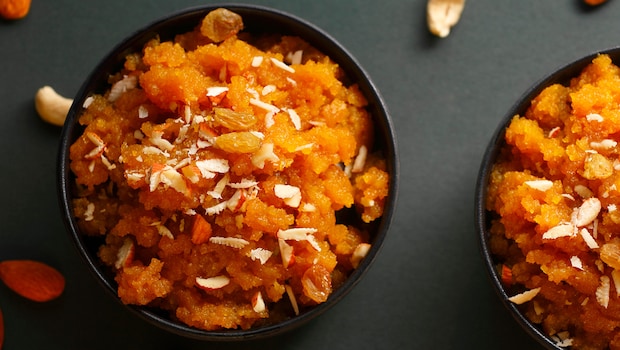
3. Gud Aate Ka Halwa Recipe
- What it is: A whole wheat halwa sweetened with jaggery and cooked in ghee for a nutty, earthy profile.
- Why it suits winter: Jaggery provides natural warmth, and whole wheat creates a feeling of fullness that suits winter mornings.
Ingredients
- 1 cup whole wheat flour
- 1 cup jaggery
- 1 cup water
- 1 cup ghee
- Cardamom powder
Method
- Heat ghee and roast the flour until golden and aromatic.
- Melt jaggery in warm water separately.
- Add the jaggery water to the roasted flour.
- Cook until thick and smooth.
- Add cardamom.
4. Til Ladoo Recipe
- What it is: Ladoos made with roasted sesame seeds and jaggery, shaped into small, chewy balls.
- Why it suits winter: Sesame is widely regarded as a warming food, and jaggery helps maintain energy through the day.
Ingredients
- 1 cup sesame seeds
- 1 cup jaggery
- 1 tablespoon ghee
- Cardamom powder
Method
- Dry roast sesame seeds until nutty.
- Melt jaggery with a little ghee.
- Mix in sesame and cardamom.
- Shape quickly into ladoos.
5. Shahi Tukda Recipe
- What it is: Fried bread soaked in saffron-infused rabri that brings together crisp edges and creamy richness.
- Why it suits winter: Milk-based desserts feel more indulgent in the cold, and the saffron aroma pairs well with festive winter meals.
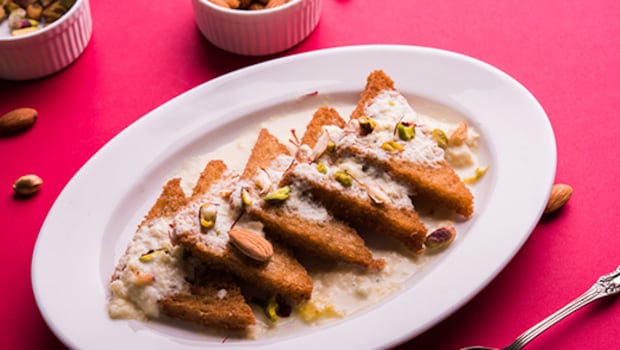
Ingredients
- 4 bread slices
- 2 cups milk
- Sugar as per taste
- Saffron soaked in milk
- Ghee for frying
- Nuts
Method
- Fry bread slices in ghee until golden.
- Boil milk until it thickens into rabri.
- Add sugar and saffron.
- Dip fried bread in the rabri and garnish.
6. Gud Ke Chawal Recipe
- What it is: Rice cooked gently in a jaggery syrup flavoured with cardamom, resulting in a comforting caramel-like taste.
- Why it suits winter: The warmth of jaggery and the simplicity of rice make it a homely dessert that suits the season's quieter moments.
Ingredients
- 1 cup rice
- 1 cup grated jaggery
- 2 cups water
- Cardamom powder
- Ghee
Method
- Cook rice separately.
- Melt jaggery in water on low heat.
- Add cooked rice to jaggery syrup.
- Add cardamom and a spoon of ghee.
- Cook until glossy.
Regional Winter Sweets Worth Knowing
India has many winter desserts that vary from region to region. Punjab is known for pinnis made from whole wheat, ghee, and nuts. Bihar prepares tilkut during Makar Sankranti. Bengal enjoys narkel naru made from coconut and jaggery. Maharashtra prepares gul poli with sesame and jaggery. These regional variations reflect how widespread winter dessert traditions are across the country, each shaped by climate and local produce.
Also Read: 10 Desi-Style Mushroom Dishes That Will Warm You Up On Chilly Evenings
How To Store Winter Desserts
- Storage plays an important role in keeping winter sweets fresh through the week. Here is a simple guide that helps each dessert hold its flavour and texture.
- Halwas: Store in airtight containers in the refrigerator. They regain softness when warmed with a spoon of ghee.
- Sesame ladoos: Keep well at room temperature in an airtight jar for several days because they have low moisture.
- Milk-based sweets: Desserts like shahi tukda should always be refrigerated and eaten within a shorter time.
- Jaggery-based rice desserts: These remain fresh when stored chilled and reheated gently before serving.
- This approach ensures every winter dessert stays enjoyable for longer without losing its warmth or richness.
How To Create A Simple Winter Dessert Platter At Home
A winter dessert platter can add variety to gatherings without demanding much preparation. A few thoughtful combinations can transform familiar sweets into a festive spread.
- Add small portions of halwa for warmth and richness.
- Include a few til ladoos for a nutty, chewy contrast.
- Place sliced pieces of shahi tukda for a creamy and celebratory touch.
- Add a bowl of gud ke chawal for a mild, homely sweetness.
- Finish with nuts, dried fruits, and a small amount of saffron milk on the side.
This mix allows each dessert to complement the others while giving guests multiple choices in one cosy spread.