

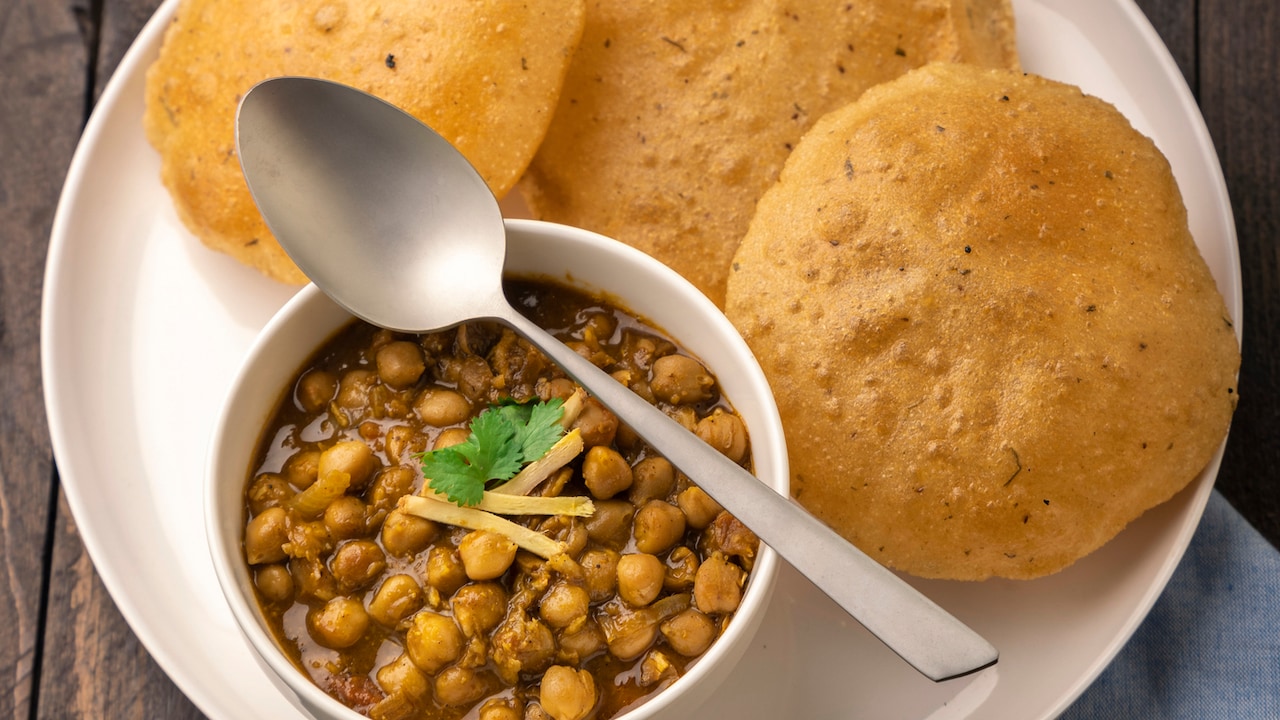
Chole Bhature is a favourite street food among Indians. Its popularity is such that it is readily available everywhere, from street food stalls to restaurants. While many people enjoy making this dish at home, preparing the perfect bhatura can be challenging. Often, homemade bhature fail to puff up properly or turn out too oily. Excess oil can make them greasy and leave you feeling heavy after eating.











So, what causes bhature to become oily? Several common mistakes could be responsible. By understanding and avoiding these errors, you can make bhature that are perfectly puffed, light and less oily.
Also Read: How To Keep Wooden Spoons And Spatulas Clean And Long-Lasting
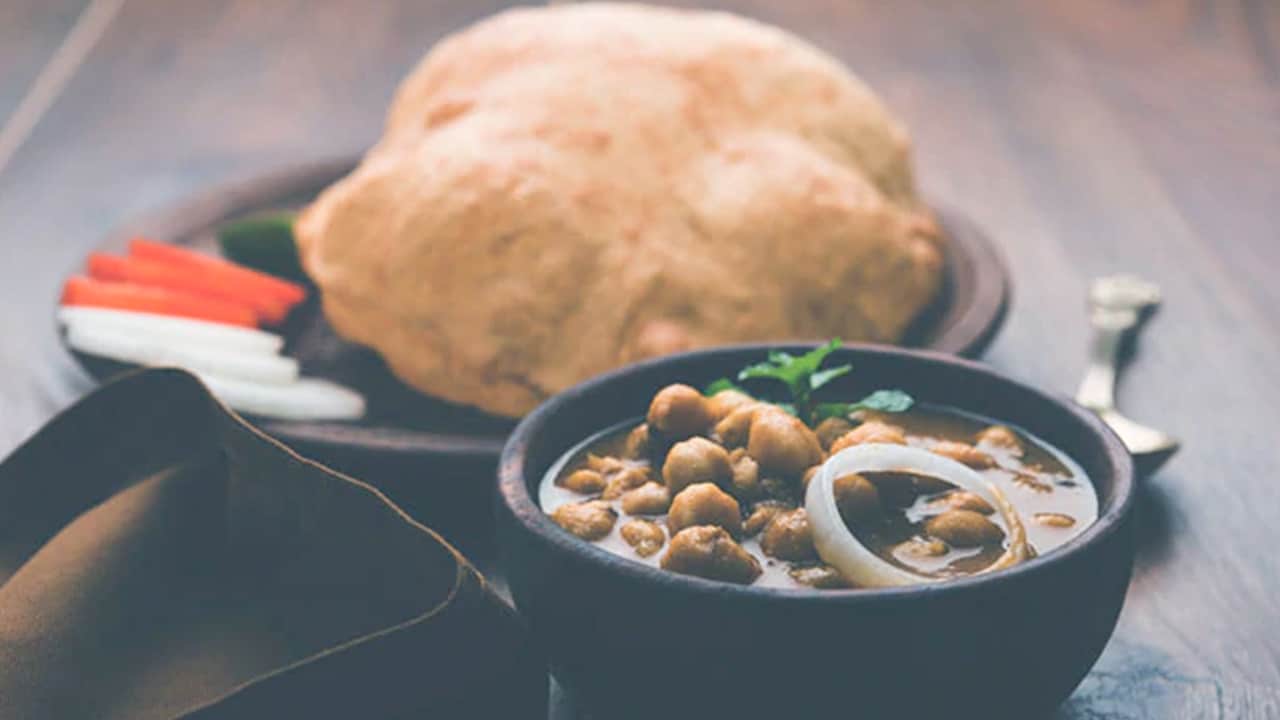
Here Are The Main Reasons Why Bhature Turn Oily:
The Bhatura Dough Is Too Wet
The first step in making bhature is preparing the dough correctly. If the dough is too soft or wet, you may need to use extra flour while rolling it out. As a result, the bhature can absorb more oil during frying.
Fix it:
The dough should be neither too firm nor too loose. It should be soft, pliable and elastic. After the initial kneading, continue kneading and stretching it on a clean surface or in a large mixing bowl for about 10 minutes. This helps develop elasticity and prevents the bhature from shrinking while rolling.
Excess Oil Or Ghee In The Dough
Oil or ghee is commonly added to bhatura dough to improve its texture. However, adding too much can make the bhature oily after frying.
Fix it:
If the dough contains excess oil or ghee, mix in a little finely ground semolina (sooji) or a small amount of plain flour (maida). Knead the dough thoroughly to achieve the right consistency.
Rolling The Bhature Too Thin
Bhature should never be rolled out too thin. Thin bhature are less likely to puff up properly and tend to absorb more oil during frying.
Fix it:
Roll the bhature evenly, ensuring they are neither too thin nor too thick. The right thickness helps them puff up well and cook evenly.
Insufficient Fermentation
Another reason bhature can turn oily is improper fermentation. An incorrect balance of yoghurt or baking soda can make the dough dense, causing it to absorb more oil.
Fix it:
Pay close attention to the quantity of yoghurt and baking soda used in the dough. After kneading, allow the dough to rest for at least 2 to 3 hours so that it ferments properly.
The Oil Is Not Hot Enough
One of the most common reasons for oily bhature is frying them in oil that is not hot enough. Instead of puffing up immediately, the dough absorbs the oil.
Fix it:
Make sure the oil is properly heated before frying. Once hot, fry the bhature over a medium flame so they cook evenly and develop a crisp, golden exterior.
The next time you make bhature at home, pay attention to the dough consistency, fermentation, rolling technique and oil temperature. Avoiding these common mistakes can help you make bhature that are light, fluffy and far less oily.