



Every summer, India collectively loses its mind over mangoes. Fair enough. But while the mango gets its annual moment of worship, there is another fruit quietly sitting on roadside carts across coastal India, wrapped in its tough black shell, waiting for someone to notice it. The ice apple, known as tadgola in Hindi, nungu in Tamil, and munjalu in Telugu, has been around for centuries. It costs almost nothing, grows abundantly across the country's coastline, and does things for your body in the heat that no sports drink or packaged juice can replicate. It is also, somehow, the fruit that most people still do not talk enough about. That needs to change.
Also Read: Golgappa Turns Gourmet, Why Indian Fine Dining Is Obsessed With Street Food Right Now
What Exactly Is An Ice Apple?
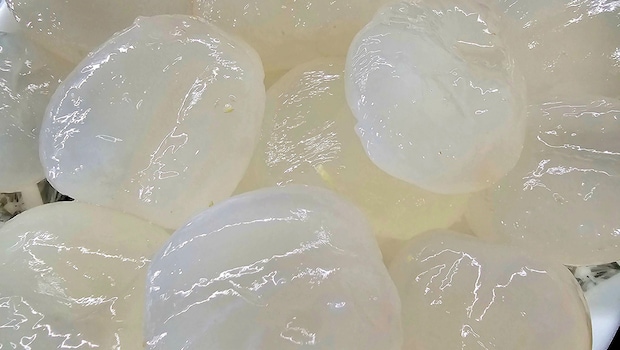
Photo Credit: iStock
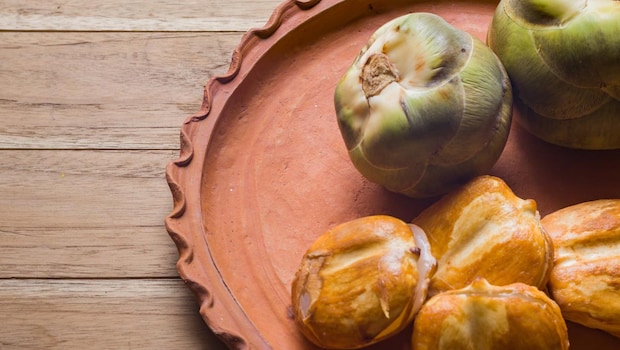
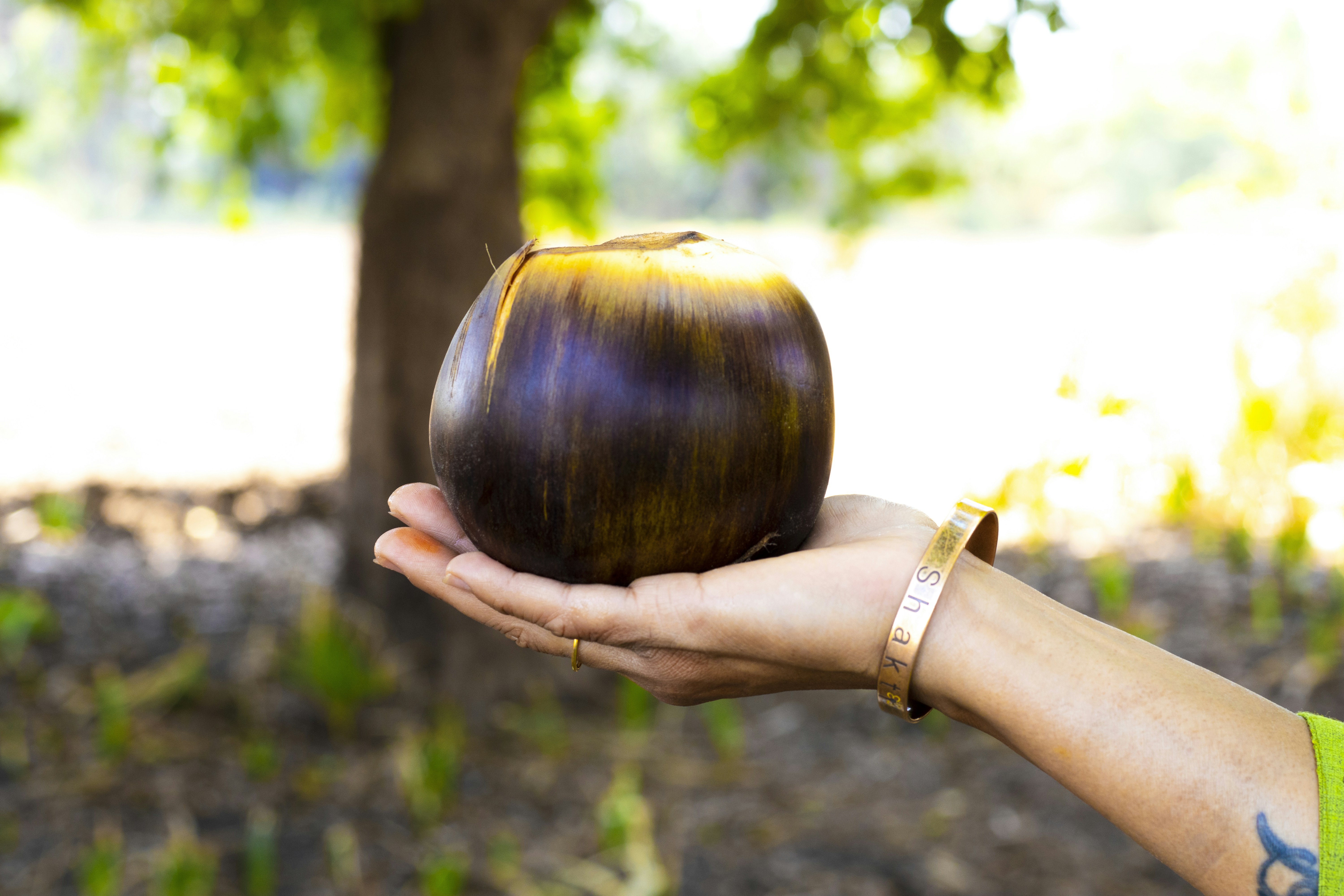
The ice apple, fruit of the palmyra palm (Borassus flabellifer), is remarkable for its ability to thrive in extreme heat and drought. It grows abundantly in Tamil Nadu, Andhra Pradesh, Telangana, Odisha, West Bengal, and parts of Maharashtra and Karnataka, especially along sandy coastal areas. The fruit, resembling a large coconut, has a tough dark shell and contains two or three seeds encased in translucent, jelly-like flesh, pale white or faint yellow. Its texture is softer than lychee, with high water content, making it highly perishable and typically sold fresh by roadside vendors in southern India during summer. The taste is mild, subtly sweet, with a faint floral note, likened to tender coconut but less rich. Ice apple is hydrating, traditionally consumed to combat dehydration and heatstroke, with each seed offering a cool, lightly sweet water reservoir.
Why You Can Only Get It For A Few Weeks
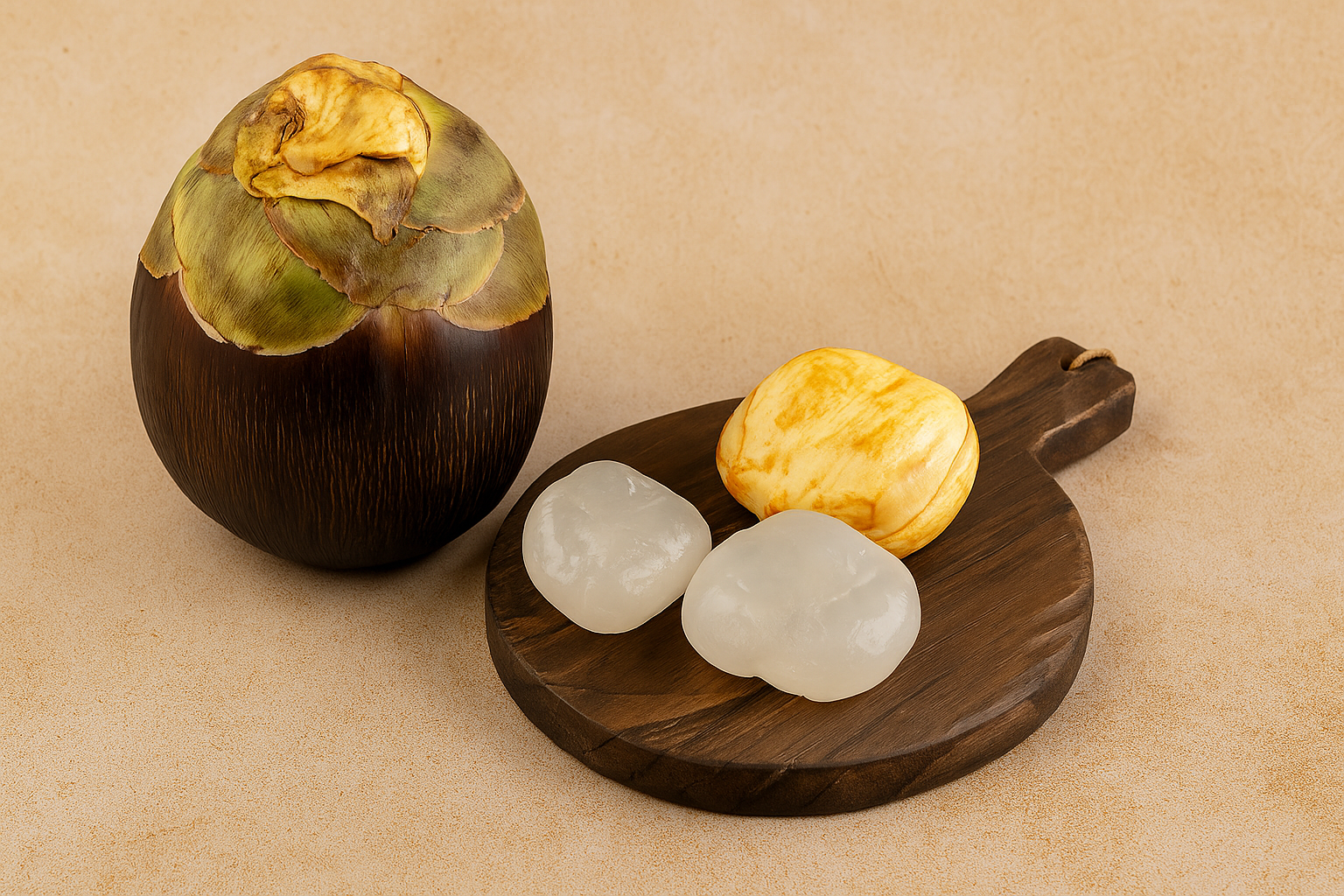
This is one of the most important things to understand about the ice apple: it is not a fruit you can find year-round. The fruit appears specifically during the months of April and June, just when temperatures begin to soar. Because it contains high natural water content, the ice apple is harvested and consumed quickly before it begins to spoil.
That short window is also why it rarely makes it to supermarkets or cold storage chains. Unlike mangoes or watermelons that can be transported to far places, ice apples can rarely enter supermarkets. The availability of ice apples relies on the cycle of local harvest. Which means that in most cases, if you want them, you need to find them. Keep an eye out for roadside cart vendors in April and May, especially in coastal cities. In Bangalore and other inland cities, you can now sometimes find pre-peeled ice apples on grocery delivery apps like Zepto and Blinkit during the season.
What Makes It Genuinely Good For You
The ice apple is not just a novelty. Its nutritional profile is well-suited to the specific demands of an Indian summer.
Hydration: It is primarily water, which is exactly what your body needs when the temperature crosses 40 degrees. But beyond hydration, it contains small amounts of natural sugars that give you a quick, gentle energy boost without the spike and crash that come from packaged drinks or sugary snacks.
Nutrients: It is high in fibre, protein, vitamins A, C, E, and K, iron, zinc, phosphorus, and potassium. That is an impressive range of nutrients for something this light and low-calorie.
Cooling Properties: The palmyra fruit is also traditionally known for its cooling properties in Ayurvedic texts, where it is classified as a fruit that reduces body heat or pitta. This is not just folk wisdom: the combination of high water content, natural electrolytes, and a cooling effect on digestion means it works particularly well for people prone to acidity, heat rashes, or dehydration headaches in summer.
Calorie-friendly: It is also naturally low in calories, which makes it ideal as a between-meals snack when the heat makes heavy food unappealing. A few seeds of ice apple are filling without being taxing on the stomach.
Also Read: Sambhar With A Spicy Twist - These Kuzhambu Recipes From Tamil Nadu Will Win Your Heart
How To Eat It: The Right Way
The simplest and best way to eat an ice apple is straight from the shell, just as the vendor cuts it open in front of you. The vendor slices off the outer husk, extracts the seeds, and if you are lucky, hands them to you with a small sprinkle of black salt. That version, eaten on the spot in the heat, is genuinely hard to beat.
Some people also keep it to chill before eating to get that extra refreshment. In some parts of South India, ice apple is also added to some milk-based drinks, lightly sweetened syrups, or in summer desserts.
If you buy pre-peeled ice apples, there is a thin woody or waxy skin around each seed that needs to come off before eating. It peels away easily with your fingers in most cases, though sometimes a small knife helps. Once that skin is off, the fruit is ready. No cooking, no preparation, no fuss.
A few pro tips for buying and eating ice apples well: always choose tender ice apples over firm ones. The tender ones have more water inside and a softer, more pleasant texture. Very hard ice apples that are dry inside are over-ripe and can cause stomach discomfort. Also, eat them the same day you buy them. They do not keep well even in the refrigerator and begin to lose their texture and taste within 24 to 48 hours.
Three Ice Apple Recipes Worth Trying
Nungu Sherbet (Ice Apple Drink)

This is the most straightforward way to enjoy ice apple beyond eating it plain. It is refreshing, barely sweet, and takes about five minutes to put together.
What you need: 4 to 6 ice apple seeds, peeled; 1 cup chilled water or coconut water; 1 teaspoon sugar or honey; a pinch of black salt; a few fresh mint leaves.
How to make it: Blend the ice apple seeds with the chilled water until smooth. If you prefer a slightly textured drink, pulse it briefly rather than blending fully. Strain if you like it smooth, or leave it as is for a thicker consistency. Add sugar, black salt, and torn mint leaves. Serve immediately over ice.
Pro tips: Coconut water instead of plain water deepens the flavour and adds natural electrolytes. A tiny squeeze of lime juice right before serving brightens everything up.
Nungu Payasam (Ice Apple Kheer)
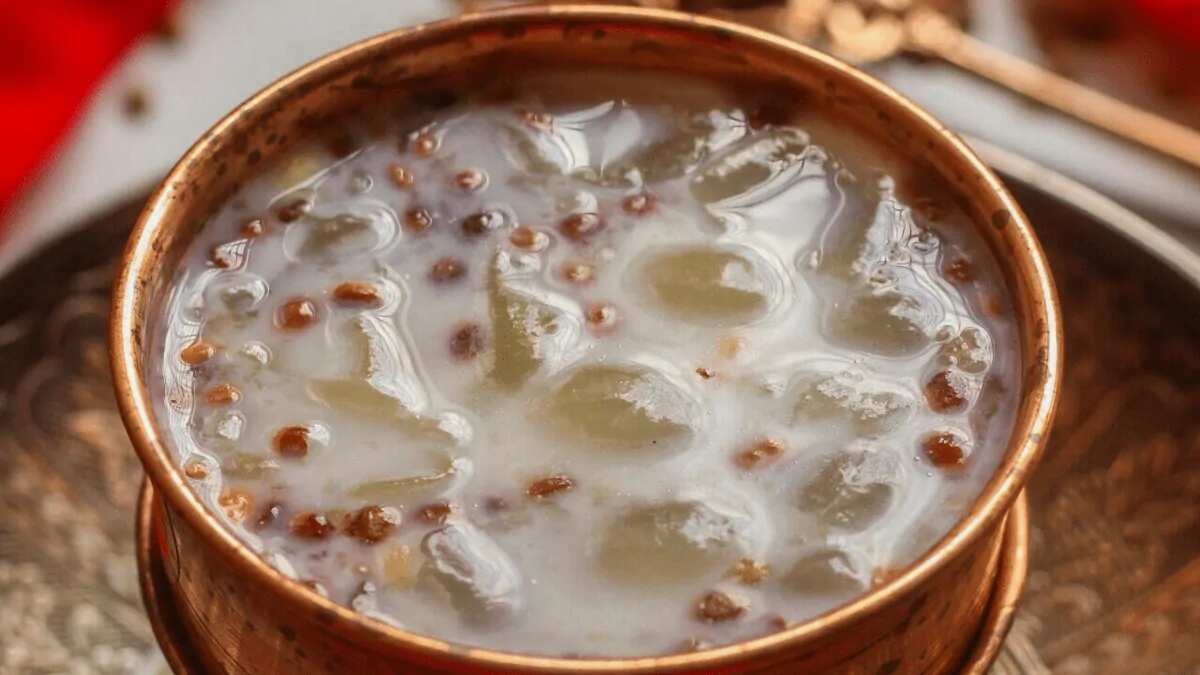
This South Indian dessert is one of the most elegant things you can do with ice apple. The combination of lightly thickened milk, cardamom, and the delicate jelly of the ice apple is surprisingly good.
What you need: 4 tender ice apple seeds, peeled and chopped into small pieces; 2 cups full-fat milk; ¼ cup sugar; 12 blanched almonds; 2 cardamom pods; a few strands of saffron (optional).
How to make it: Blend the almonds and cardamom pods with a little milk into a smooth paste. Bring the remaining milk to a gentle simmer in a heavy-bottomed pan. Add the almond paste and stir continuously over low heat until the milk begins to thicken slightly, about 10 to 12 minutes. Add the sugar and stir for another 3 to 4 minutes. Remove from heat and allow to cool completely to room temperature. Once fully cool, gently fold in the chopped ice apple pieces. Refrigerate for at least an hour before serving. Garnish with saffron strands.
Pro tips: It is recommended to use tender ice apples and to add them only after the milk mixture has cooled down completely. Adjust the sugar conservatively; this payasam is meant to be delicate, not cloying.
Tadgola Salad With Coconut Milk
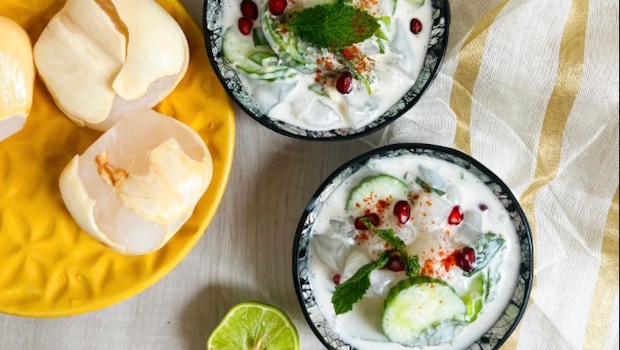
This one is less traditional but genuinely delicious. Inspired by the kind of fruit salad that feels like it was designed specifically for the worst days of summer.
What you need: 3 ice apples, peeled and cubed; 1 medium cucumber, sliced; 1 cup coconut milk; 1 stalk spring onion, finely chopped; 1 green chilli, finely sliced; ¼ teaspoon grated ginger; 1 tablespoon lemon juice; ½ teaspoon chaat masala; 1 teaspoon jaggery powder; ¼ teaspoon salt; 2 tablespoons pomegranate arils; 8 to 10 fresh mint leaves.
How to make it: Combine the cubed ice apple, and cucumber in a bowl. Add the spring onion, green chilli, and grated ginger. Pour in the coconut milk. Add lemon juice, chaat masala, jaggery, and salt. Toss gently to combine. Top with pomegranate arils and torn mint leaves. Refrigerate for at least one hour before serving. Serve chilled.
Pro tips: Do not add too much chaat masala. You want balance, not a chaat flavour so strong it overpowers the ice apple.
Common Myths About Ice Apple, Addressed
"Ice apple causes a cold." This one has been circulating for generations and it is simply not true. The fruit is cooling in the Ayurvedic sense of reducing body heat, not in the sense of lowering your immune system. Eating a few ice apples will not give you a cold any more than drinking cold water will.
"Pregnant women should not eat it." There is no clinical evidence supporting this restriction. Ice apple is actually considered beneficial during pregnancy because of its hydrating properties and the fact that it is gentle on the stomach and helps with nausea. As with any food during pregnancy, moderation applies.
"Hard ice apples are of better quality." The opposite is true. Tender, slightly wobbly ice apples are the ones you want. They have more liquid, softer flesh, and a sweeter, more pleasant flavour. Very firm ones are over-ripe and are more likely to cause bloating or stomach discomfort.
"It has no nutritional value." Given that it contains vitamins A, C, E, and K alongside iron, potassium, zinc, and phosphorus, this claim does not hold up. The fact that it is mostly water does not mean it is nutritionally empty.
Also Read: Chaitra Navratri 2026: 5 Easy Sattvik Recipes For Fasting
The Underrated Summer Delicacy
Every April and May, the palmyra palms along India's coastlines do what they have done for centuries: fruit quietly and abundantly. The ice apple asks almost nothing of you in return. It does not need to be cooked, dressed up, or paired with anything elaborate. It does not need to be imported or refrigerated in a truck from a faraway farm. It just needs to be found, peeled, and eaten on a hot afternoon when everything else feels like too much. That is the kind of food that deserves considerably more attention than it gets. Find your nearest Tadgola cart this summer. The mango will still be there when you're done.