


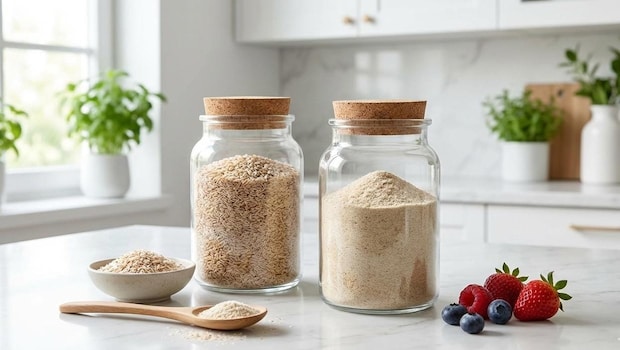
Isabgol is one of those ingredients that quietly exists in many Indian households, often tucked away in a kitchen shelf and taken only when required. For decades, it has been associated with digestion and gut comfort, usually consumed in small amounts rather than as a regular food. In recent years, however, isabgol has started appearing more frequently in discussions around fibre intake, lifestyle-related digestive issues, and changing eating patterns. As awareness around gut health grows, so does curiosity about ingredients that have long been used but rarely explained in detail. This renewed interest has prompted many people to look beyond its traditional reputation. Find out more below.
What Exactly Is Isabgol?
Isabgol is the husk obtained from the seeds of the Plantago ovata plant, which is cultivated mainly in India. When the plant matures, it produces tiny seeds that are processed to separate their outer coating. This coating, known as the husk, is what is commercially sold as isabgol or psyllium husk. While the seeds themselves are edible, the husk is preferred because it contains most of the fibre.
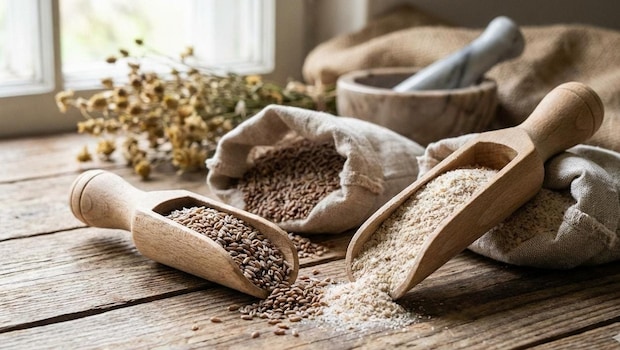
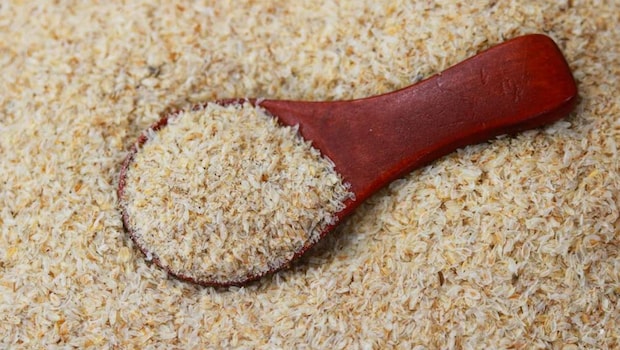
In appearance, isabgol is light-coloured, flaky, and nearly tasteless. It does not dissolve in liquids but swells rapidly when mixed with water or milk, forming a soft, gel-like texture. This ability to absorb liquid is central to how it functions when consumed.
Also Read: How Fibre Helps Avoid Constipation - Expert Suggests These Foods
Nutritional Profile: What Isabgol Is Made Of
Isabgol is nutritionally simple and highly specific in composition:
- It is made almost entirely of dietary fibre, primarily soluble fibre.
- It contains negligible amounts of calories, fat, sugar, or protein.
- It does not provide vitamins, minerals, or antioxidants in meaningful quantities.
Because of this profile, isabgol is not considered a nourishing food but a functional dietary component. Its value lies in how it behaves in the digestive system rather than what nutrients it delivers to the body.
The effect of isabgol depends greatly on hydration; without sufficient fluid, it may not expand as intended. This is why both quantity and liquid intake are considered important factors in how it functions.
Possible Health Benefits Of Isabgol

Photo Credit: Unsplash
Psyllium husk is associated with certain fibre-related effects, particularly when used as part of an overall balanced diet. These include:
- Digestive regularity: By increasing stool bulk and moisture, psyllium fibre may help maintain regular bowel movements.
- Stool normalisation: Its gel-forming property can add firmness to loose stools while softening hard stools.
- Cholesterol management: Soluble fibre may bind to bile acids, which can contribute to reduced LDL cholesterol levels.
- Blood sugar response: Slower absorption of carbohydrates may support steadier post-meal blood sugar levels.
- Satiety: Fibre adds volume without calories, which may contribute to a feeling of fullness in some individuals.
These effects vary based on overall diet, consistency of intake, hydration, and individual health conditions.
In everyday contexts, isabgol is most commonly associated with digestive balance. People often turn to it during periods of irregular digestion, changes in routine, or dietary disruption.
Isabgol In Everyday Diets: How People Consume It
Isabgol is usually consumed by mixing it into a liquid and drinking it immediately before it thickens. Common media include water, milk, or curd. More recently, isabgol has also appeared in packaged fibre blends and digestive formulations. Because it has very little flavour, it does not significantly alter the taste of what it is mixed into.
How To Consume Isabgol Correctly
Key practical considerations around isabgol use include:
- It is consumed in small, measured quantities.
- It should always be taken with adequate liquid.
- Dry consumption is avoided due to the risk of discomfort or choking.
- Increasing quantity does not necessarily improve effectiveness.
These factors explain why its use tends to be cautious and controlled rather than habitual.
Also Read: Fibre Myths Busted: Which Foods Really Keep Your Digestion Healthy
Isabgol vs Other Fibre Sources
Unlike fruits, vegetables, legumes, and whole grains, isabgol does not contribute to dietary variety or micronutrient intake. Whole foods provide a mix of fibre types along with vitamins and minerals. Isabgol, by contrast, isolates one function of fibre. For this reason, it is generally viewed as a supplement rather than a replacement. Diets built solely around fibre supplements may lack nutritional balance if whole foods are not adequately included.
Who Should Be Careful About Taking Isabgol
Certain groups may need to exercise caution, including:
- Individuals with swallowing difficulties
- Those with intestinal narrowing or specific gastrointestinal conditions
- People taking medications that require precise absorption timing
- Excessive intake may also cause bloating or discomfort, highlighting the importance of moderation.
Isabgol: Storage, Shelf Life, And Quality Tips
Isabgol should be stored in an airtight container away from moisture and heat. Exposure to humidity can cause clumping and reduce its effectiveness. Whole husk forms tend to store better than powdered versions. Any noticeable change in smell, texture, or colour may indicate spoilage. Proper storage helps maintain its absorbent properties over time.
Several misconceptions surround isabgol, including the idea that it is only useful for constipation or that it causes dependency. Bulk-forming fibre does not stimulate the gut in the way laxatives do. Another common assumption is that higher quantities lead to better results, which is not how fibre functions.
Isabgol functions as a concentrated source of soluble fibre that some people choose to use under specific circumstances. It is a functional dietary component rather than a solution. It can help some people, but it cannot cure all fibre-related problems. If you're facing digestive issues, it is always best to consult your doctor before blindly relying on home remedies.
Disclaimer: This content, including advic,e provides generic information only. It is in no way a substitute for a qualified medical opinion. Always consult a specialist or your own doctor for more information. NDTV does not claim responsibility for this information.