

If you know how cheese is made, you would know that it is often aged in cool cellars or caves or even in fact the specially controlled rooms. With time, this helps cheese change its texture and flavour.
Around the world, local climate and geography plays an important role in the process, so different regions have made their own methods.
Also Read: Why Are Red Chillies Left On Snow In Japan? The Answer Takes 3 Years
But in one village in central Turkey, cheese takes an unusual turn before it reaches your table. Here, every year, wheels of traditional cheese are lowered deep into a cave where the cheese gets transformed in the unique environment. If you think you know about all the cheese varieties, here's a variant that will amuse you with how it finally lands on your table.
Divle Obruk Cheese Is Aged More Than 100 Feet Underground
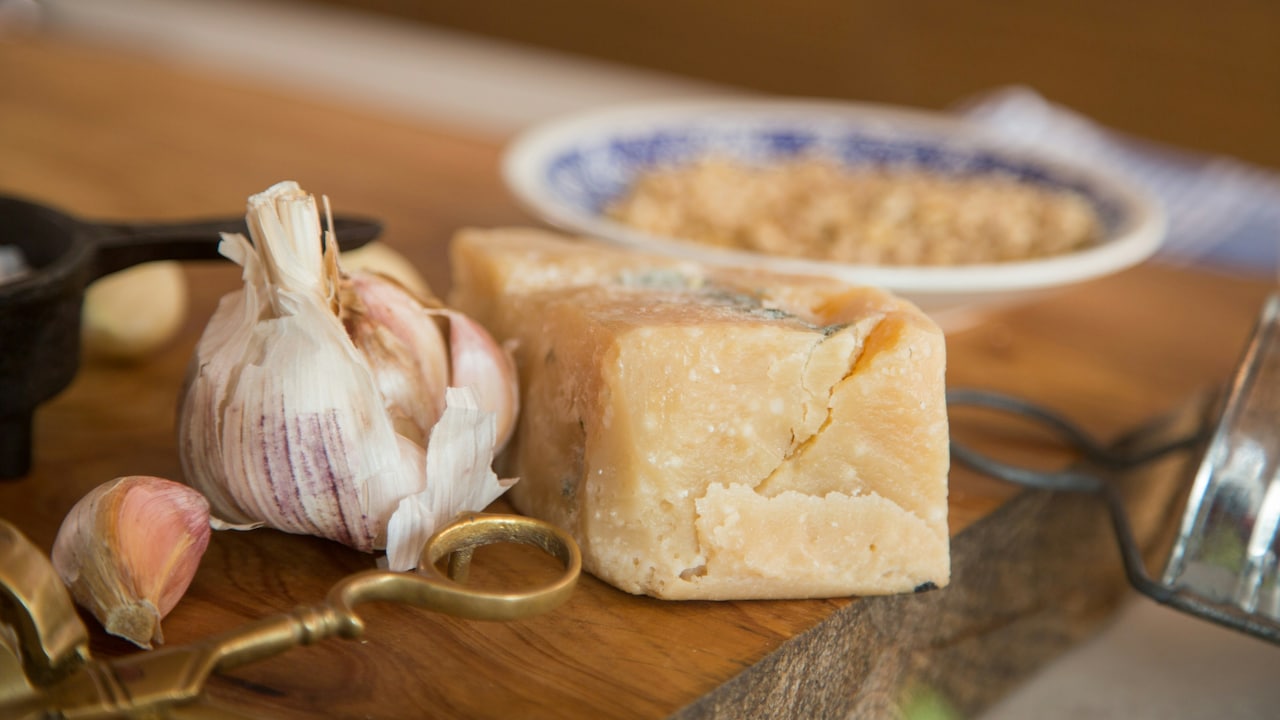
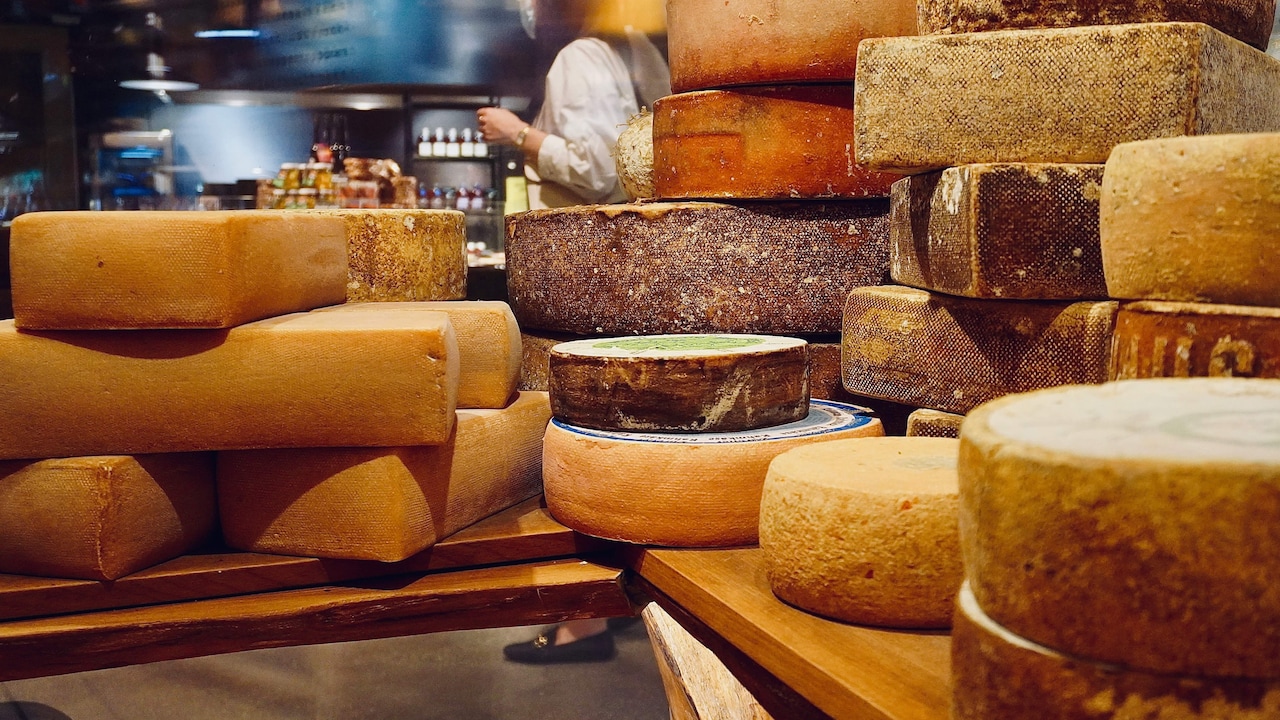
Representational Image: Unsplash
Divle Obruk is a tulum cheese that originates from Divle village, also known as Ucharman, in Turkey's Karaman. The cheese even received a Geographical Indication (GI) status in 2017.
This cheese is made from milk collected from sheep and goats that graze in the nearby hills and pastures. Once the cheese is ready, it is packed into traditional leather bags made from sheep or goat skin.
From there, the bags are taken down into the Divle Obruk cave. The cave goes about 36 metres underground, or over 100 feet. They are left there for several months while the cheese slowly matures underground.
The Cave Stays Cool Even In Summer
The cave plays a big role in how the cheese is made. Unlike most cheeses, which are kept in refrigerated storage or temperature-controlled rooms, Divle Obruk cheese is aged in a natural cave.
Even during the summer months, the cave stays cool and damp. Temperatures are usually around 4°C, and the humidity remains high. Because of these conditions, the cave works like a natural cold-storage space, allowing the cheese to mature slowly over time.
Why Does The Cheese Turn Red?
The cheese doesn't always look red. When the bags are first placed inside the cave, the outside looks very different from the finished product.
In the coming months, some natural changes take place on the surface. It first develops a bluish mould, then a white layer, and then turns a deep reddish colour. This happens because the cave has unique conditions and the naturally occurring microorganisms found inside it.
The cheese is usually left in the cave for five to six months. By the end of the process, the inside remains white or pale yellow, while the outside has developed the red rind that makes Divle Obruk easy to recognise.
Once the cheese is finished, it becomes firm and slightly crumbly. It even has a strong and sharp taste. It is also known for its unique flavour and rich aroma.
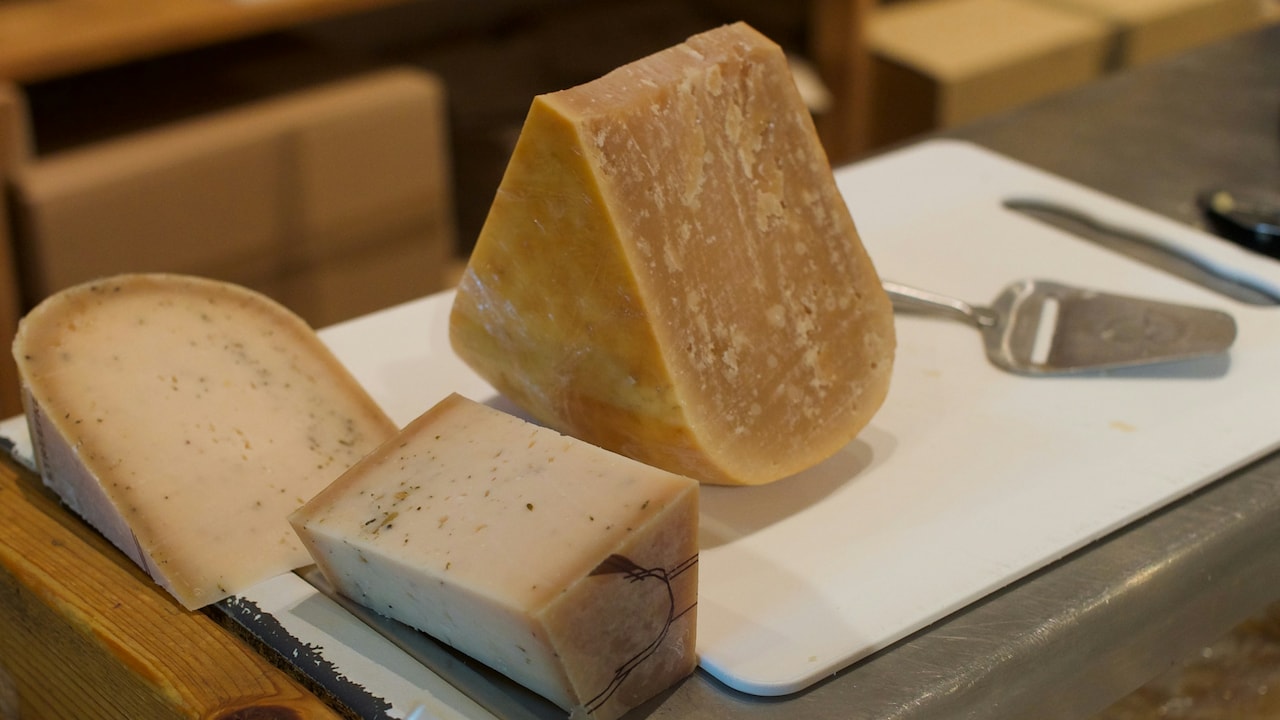
Photo: Unsplash
Also Read: How To Store Milk Correctly In The Fridge To Keep It Fresh Longer
The Cave Has Been Used For This Cheese For Centuries
People in Divle have been doing this process in this cave for generations. In fact, the cheese gets its name from the Divle Obruk cave where it is stored and matured.
The cave stretches deep underground and has long been part of the village's cheese-making tradition. While different sources give slightly different measurements for its length, they all point to the same thing: the cave has been used for centuries to age Divle cheese.
The word obruk also comes from the landscape itself. It is used for a natural sinkhole or pit, which is exactly the kind of formation where the cave is located.
Today, the cheese is still made in small batches and follows the same basic process. Most of it is eaten in Turkey, and though some is sold in larger cities such as Istanbul and Ankara. It is often served with bread, fruit or alongside other foods.