


What happens when flavours and techniques of Turkish cooking meet Indian ingredients? The Turkish Heritage Table: Flavours of Turkiye at ISH, held on 1st June 2026 at the Acole Ducasse Gurugram Campus, brought just that to life. Brought together by the Turkish Tourism Promotion and Development Agency, the Embassy of Turkiye, and ISH, the Indian School of Hospitality, it was not a food festival in any conventional sense. It was a full-day argument, made entirely through food, for the idea that two cuisines separated by thousands of kilometres share more history, more flavour instincts, and more cultural common ground than most people realise. And it made that argument very convincingly.
The Idea Behind the Event
The occasion was Turkish Cuisine Week 2026, where the official theme this year was "The Heritage Table". The phrase carries weight. A heritage table is not just a spread of traditional dishes but an acknowledgement that food is memory, that recipes carry the weight of generations, and that what a civilisation chooses to cook and eat tells you more about it than almost any other cultural artefact.
For Turkiye, whose cuisine sits at the historical crossroads of the Mediterranean, the Middle East, Central Asia, and the Balkans, the idea of a heritage table is particularly meaningful. And for India, where the relationship between food and identity is as deep and complicated as anywhere in the world, the concept found an immediate and natural audience.
The event was designed to mark a significant moment in Turkish culinary diplomacy in India, bringing together diplomats, senior hospitality professionals, media, students, and chefs for a programme that was equal parts education, cultural exchange, and genuinely good eating.
Also Read: NDTV Food Awards 2026: Meet The Esteemed Jury Behind India's Premier Food Honours
The Ambassador's Table
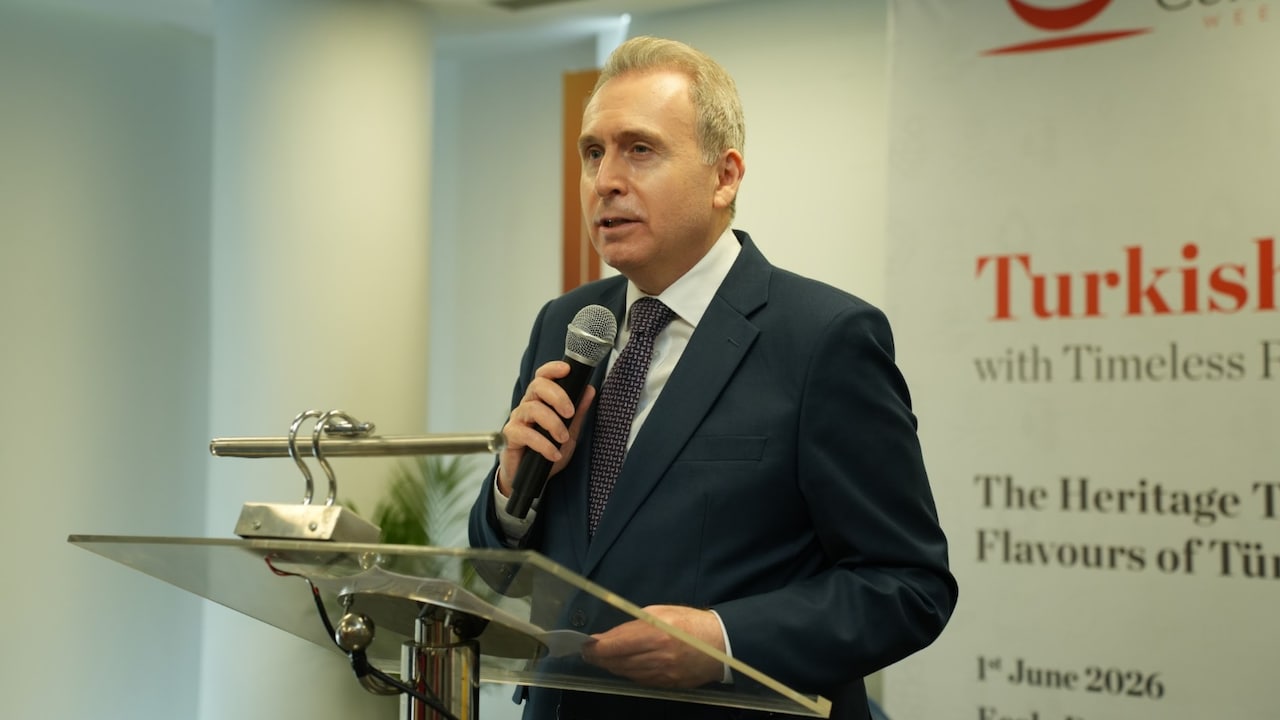
The keynote address was delivered by H.E. Mr Ali Murat Ersoy, Ambassador of the Republic of Turkiye to India, and it set the tone for everything that followed. Ambassador Ersoy described Turkish cuisine not simply as the meeting point of continents but as the meeting point of civilisations, a living archive of history served on a plate.
What made his address particularly compelling for an Indian audience was the directness with which he drew the lines of connection between the two food cultures. He spoke about the Silk Road and the Spice Routes as culinary umbilical cords, acting as pathways along which ingredients, techniques, and flavour philosophies travelled in both directions for centuries. He pointed specifically to the shared traditions around bread, which holds a sacred place in both cultures. He spoke about how mantı, the small stuffed Turkish dumpling, and samosa share a common architectural logic. He drew a line between börek and the layered pastries found across South Asia. And he noted the ceremonial parallel between helva and halwa, the Turkish and Indian sweets made from strikingly similar ingredients and offered at strikingly similar occasions of grief, celebration, and gathering.
For anyone in the room who had grown up eating halwa at a family prayer or a wedding, that last observation landed with a particular quiet force.
The Masterclasses: Where It Got Hands-On
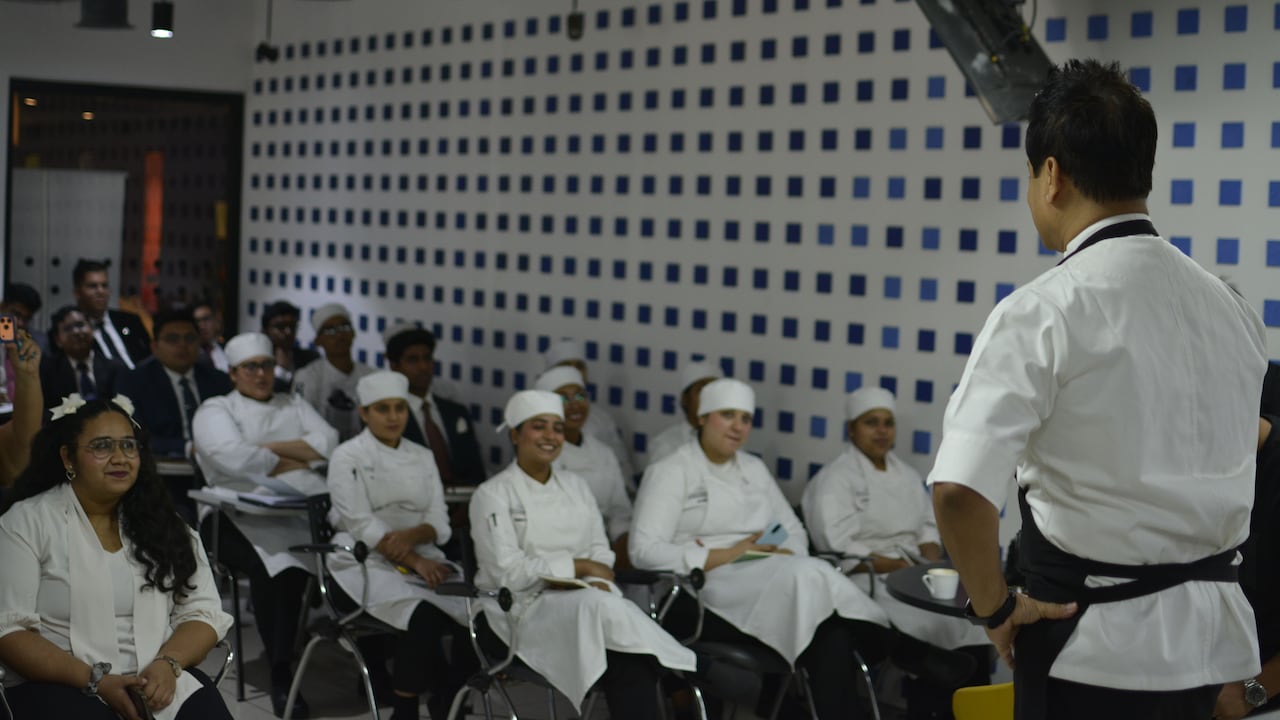
The day featured two masterclasses led by Chef Sabyasachi Gorai, known as Chef Saby, and Chef Gokhan. Chef Saby, with his deep roots in Indian regional cooking, and Chef Gokhan, a celebrated Turkish chef, offered insights into their respective culinary traditions.
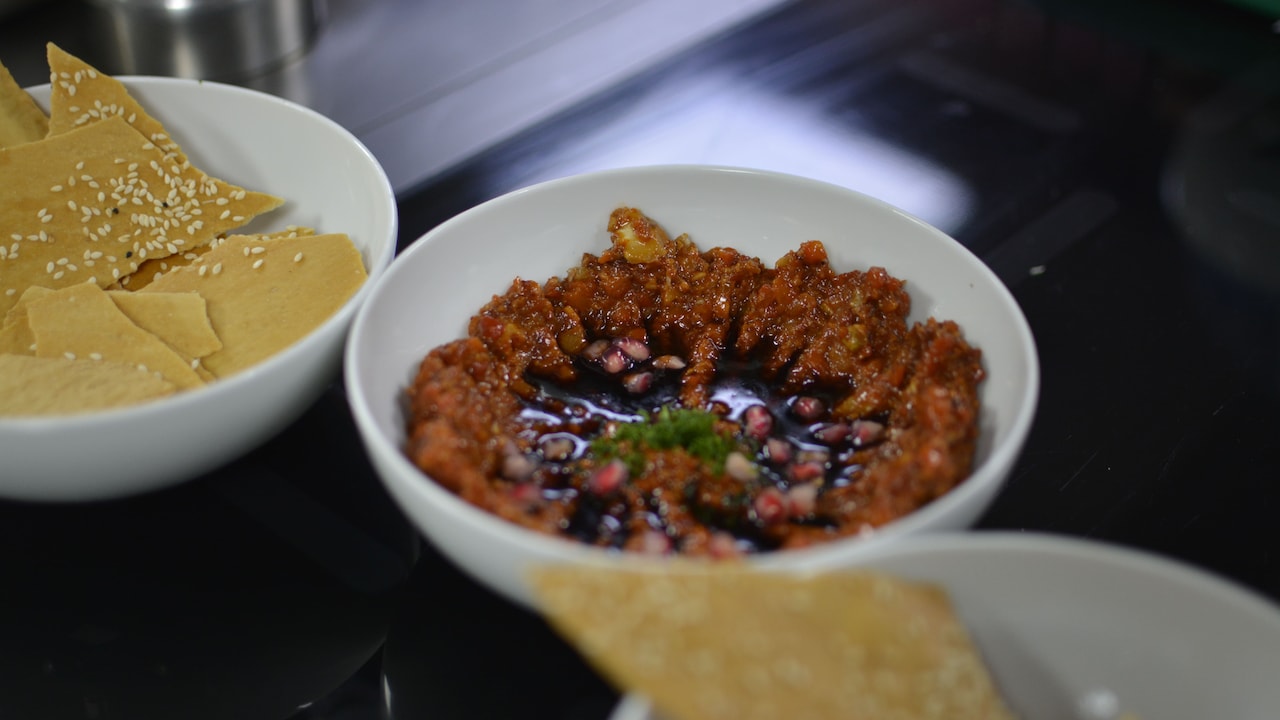
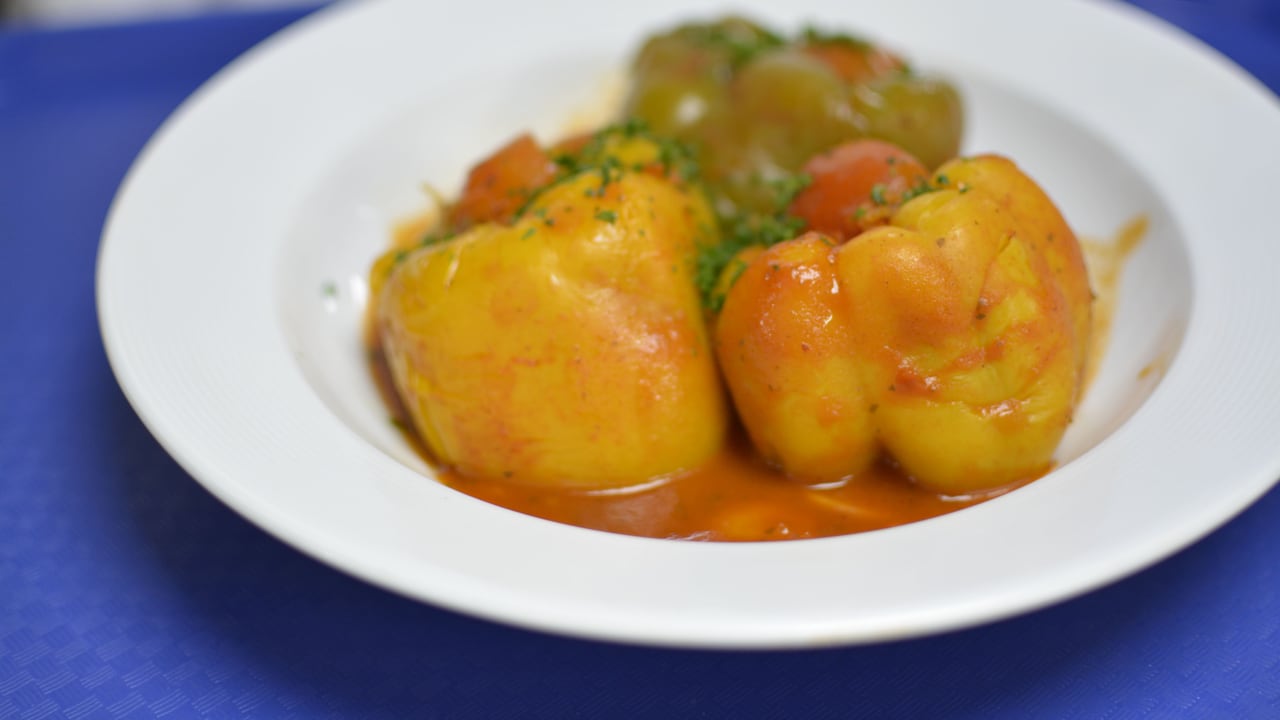
In the morning session, the focus was on classic Turkish mezes and appetisers, revealing a cuisine often misunderstood as merely kebabs and baklava. Dishes like Muhammara, a smoky roasted pepper and walnut dip, and an authentically Turkish hummus, richer and textured, showcased the cuisine's complexity. Stuffed green peppers highlighted the Ottoman kitchen's seasonal, produce-led approach. The fifty students actively participated, cooking alongside the chefs and gaining hands-on experience with techniques not typically covered in Indian culinary curricula.
The afternoon session delved into heritage mains and desserts, featuring two standout moments. The first was mantı, Turkish dumplings traditionally served with yoghurt and a butter and chilli drizzle. Chef Saby and Chef Gokhan prepared them using local Indian ingredients, blending Turkish and Indian culinary logic. The second highlight was Kunefe, a dramatic dessert with a crispy shredded wheat base, mild white cheese, and a sugar-syrup finish. Despite its unique combination of savoury and sweet, it was well-received. Mrs Fazilet Ersoy, the ambassador's spouse, added warmth to the session, making it feel genuinely unscripted.
Also Read: World Food Safety Day 2026: Surprising Food Safety Myths And Facts Everyone Should Know
The Panel: From Ancient Routes to Modern Tables
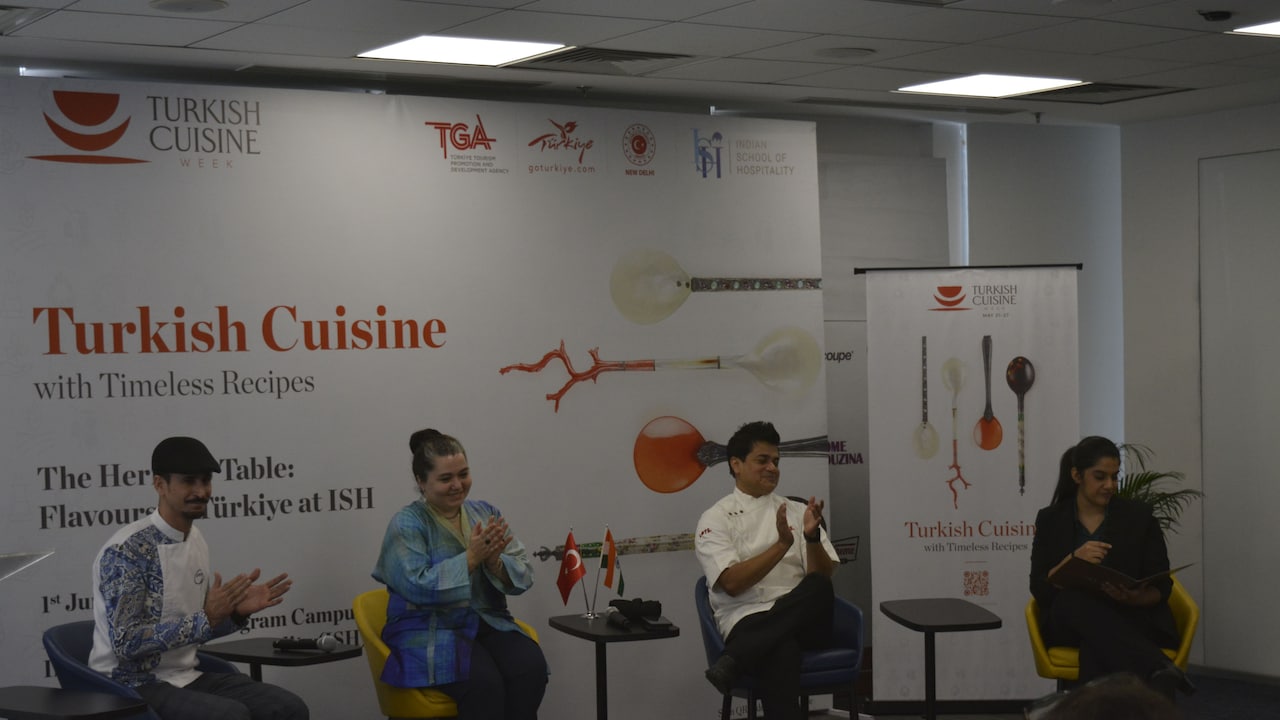
One of the more substantive parts of the day was a panel discussion moderated by ISH faculty, featuring Chef Saby, Chef Gokhan, and Culture and Tourism Counsellor Basak Onsal Demir. The discussion, titled From Ancient Routes to Modern Tables, explored the shared culinary histories of India and Turkiye and asked a question that has real relevance today: how do you preserve food heritage while keeping it alive, dynamic, and relevant to younger generations?
Chef Saby made the point that heritage cooking in India faces a version of the same challenge: a generation of home cooks who grew up watching their grandmothers make dishes that have not been properly documented, and the race against time to capture that knowledge before it disappears. Chef Gokhan's perspective from the Turkish side was remarkably similar. The shared anxiety about culinary loss was, in itself, another point of connection between the two cultures.
The panel also looked forward, discussing what future collaboration between Indian and Turkish chefs might look like and how the next generation of hospitality professionals can carry these traditions into a global food landscape that rewards novelty but is increasingly hungry for authenticity.
The Ingredients, the Institutions, and the Bigger Picture
The event also gave space to the producers and importers whose work makes these culinary conversations possible in material terms. Representatives of the Turkish Hazelnut and Dried Food Exporters were present, and their products, like hazelnuts, dried apricots, figs, and various spice preparations, were available for tasting throughout the day. Turkish hazelnuts, for anyone who has ever eaten a good piece of baklava or a well-made chocolate, are a serious ingredient with a serious reputation, and seeing them in their less processed forms gave attendees a clearer sense of what Turkish culinary raw materials actually are.
Kiran Dhameja, partner at Doyen Foods, spoke about her company's longstanding engagement with Turkish culinary producers and her own visits across Anatolia to understand spice cultivation, paste production, and the herb traditions of different regions. Her remarks grounded the theoretical discussion of cultural exchange in the practical reality of trade, sourcing, and the import of flavours into the Indian market.
Kunal Vasudeva, Co-Founder and Managing Director of ISH, summed up the day's purpose with a directness that cut through the diplomatic language that sometimes surrounds events of this kind. "Food brings people together," he said. "It brings conversations together. It brings culture and heritage together." He was particularly assertive about the educational value of the day for ISH students: they did not learn about Turkish cuisine from a textbook. They cooked it. They tasted it alongside the people who grew up with it. That, he argued, is what hospitality education should actually feel like.
For fifty students who walked away with certificates and with memories of making mantı by hand alongside a Turkish chef, the event was possibly the most practically educational day of their programme.
A Shared Table
The Turkish Heritage Table was a reminder that the best cultural exchange does not happen in conference rooms or policy documents. It happens at a cooking station, with flour on your hands and a dish that connects to something much older than you. The connections that Ambassador Ersoy drew between Turkish and Indian food — halwa and helva, samosa and mantı, the shared reverence for bread, the layered spice philosophy, and the communal table — are not diplomatic talking points. They are real, they are historically documented, and they are immediately recognisable to anyone who has indulged deeply in both traditions. If this event is indeed, as its organisers hope, the model for a sustained series of culinary diplomacy exchanges between Turkiye and India, the next generation of Indian chefs will be significantly richer for it.