




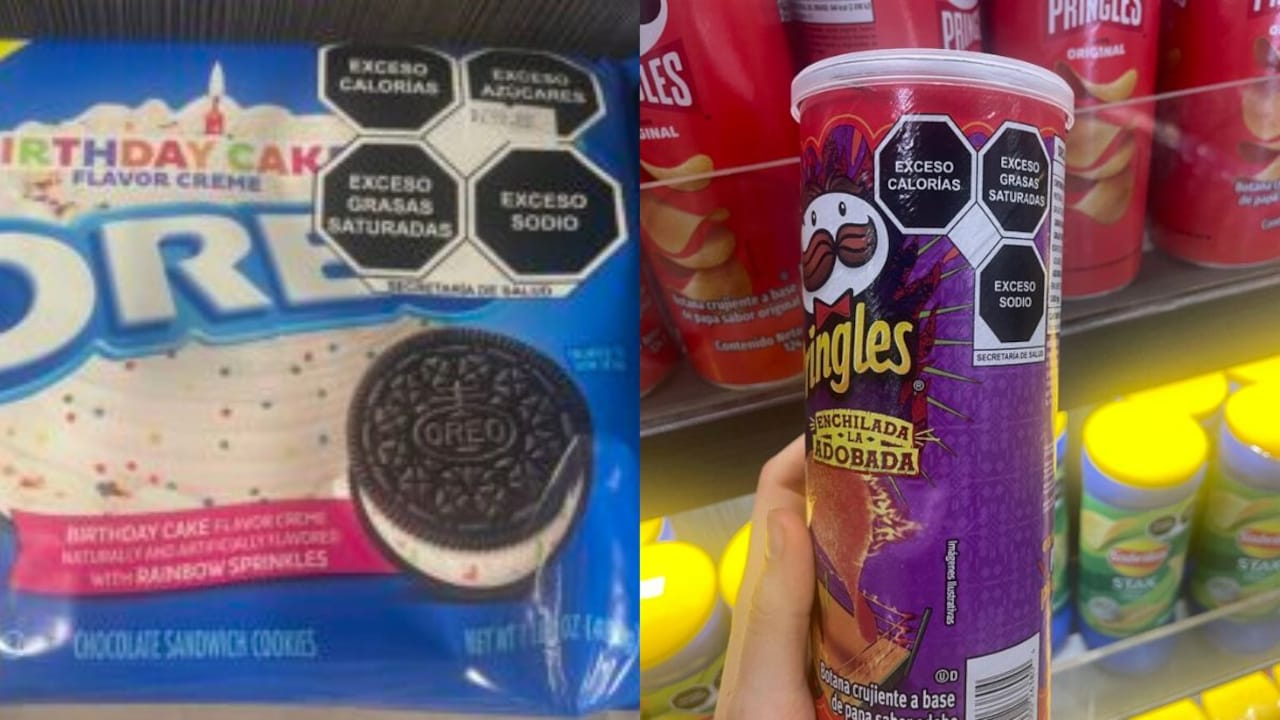
The next time you pick up a packet of chips, biscuits or an instant snack, you may see a clear warning on the front if it contains high levels of sugar, salt or unhealthy fats. That possibility is back in focus after the Supreme Court gave the Centre two weeks to act on front-of-pack warning labels for packaged foods.
Calling the issue a matter of public health, particularly for children, the court questioned delays in implementation and stressed that decisions affecting consumer health should not be influenced by corporate interests.
So, what exactly are these warning labels, and why are they considered important? Let us understand.
What Are Front-Of-Pack Warning Labels?
Front-of-pack warning labels (FOPWL) are labels or seals displayed prominently on the front of packaged food products. Their purpose is to help consumers quickly and easily identify products containing excessive amounts of nutrients such as sugar, total fats, saturated fats, trans fats and sodium.
By placing nutritional warnings on the front of packaging, the system aims to provide important health information at a glance, making it easier for shoppers to compare products and make informed purchasing decisions.
Also Read: "If You Can't, We Will": Top Court Ultimatum To Centre On Food Item Labelling
Ultra-Processed Foods And Health Risks
Unhealthy diets are considered a significant risk factor behind growing rates of obesity and non-communicable diseases. The widespread availability and consumption of processed and ultra-processed foods containing high levels of sugar, fats and sodium have intensified these concerns.
High blood pressure, elevated fasting blood sugar levels and overweight or obesity remain among the leading risk factors linked to premature mortality worldwide.
How The Packaging Should Look
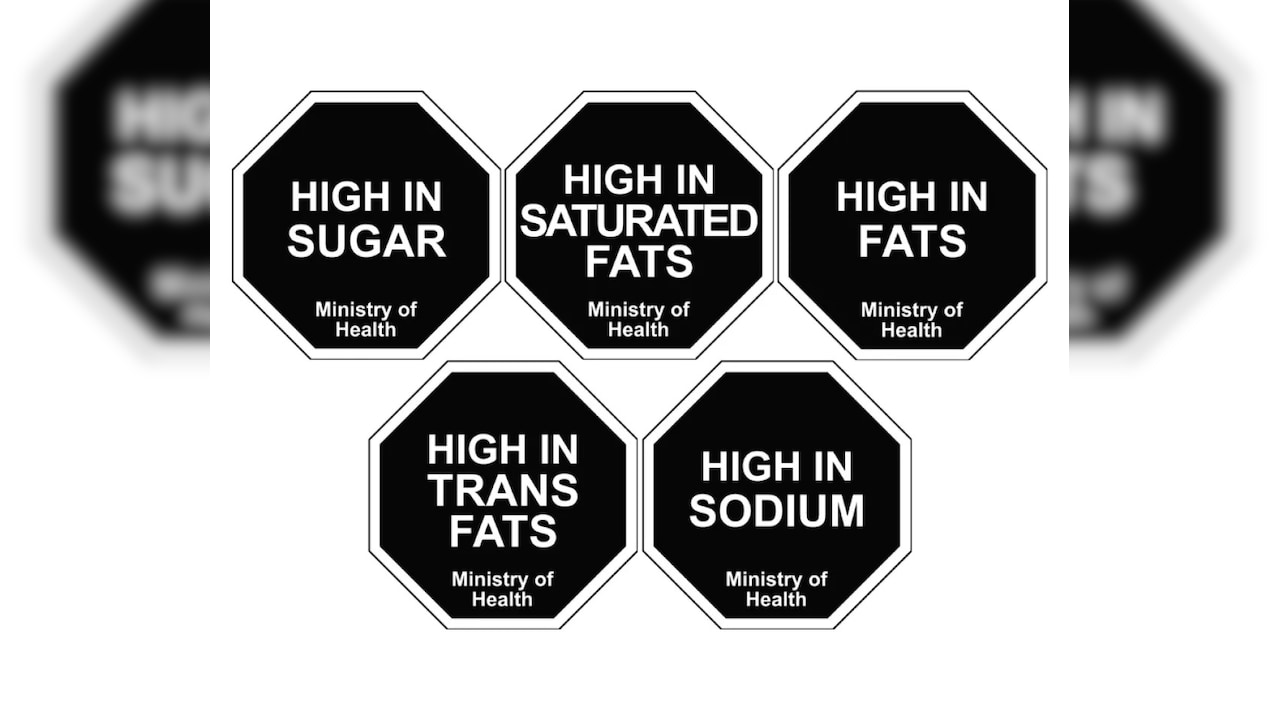
Photo Credit: UNICEF
Under the front-of-pack warning labelling system, text-based warning seals are displayed on the main front panel of a product where they are clearly visible to consumers.
These warnings may state that a product is "HIGH IN SUGAR", "HIGH IN SODIUM", "HIGH IN SATURATED FATS", "HIGH IN TOTAL FATS", and/or "HIGH IN TRANS FATS", depending on its nutritional composition.
Are Front-Of-Package Warning Labels Effective?
According to scientific evidence cited by public health advocates, front-of-package warning labels are among the most effective labelling systems for helping consumers identify products that contain excessive levels of nutrients of concern, such as sugar, fats and sodium.
This can also influence consumer behaviour by reducing the intention to purchase products with high levels of these nutrients and encouraging healthier alternatives.
Also Read: Doctor Explains Why India Needs Front-Of-Pack Warning Labels On Packaged Food
What Is The Best Style Of Front-Of-Package Warning Labelling?
Several front-of-pack warning systems are currently used across different countries. However, scientific studies have consistently found that octagon-shaped warning symbols perform better than alternatives such as traffic-light systems or magnifying-glass designs. Octagonal warning labels have already been introduced in countries including Chile, Peru, Uruguay and Mexico.