



Walk into almost any meat shop or restaurant in India and ask for mutton, and chances are you will be served goat meat. From hearty mutton curries to biryanis and kebabs, the term has become a part of everyday food vocabulary across the country. But here's something that surprises many people: in several other parts of the world, “mutton” doesn't refer to goat at all. Instead, it means something entirely different. So why do Indians use the word differently? The answer lies in history, language, colonial influence, and centuries of evolving food habits. Here's how the name “mutton” came to mean different things across the world.
Also Read: Reheating Leftovers? Food Authority Shares Mistakes That Can Make Food Unsafe
Why The Same Word Means Different Things
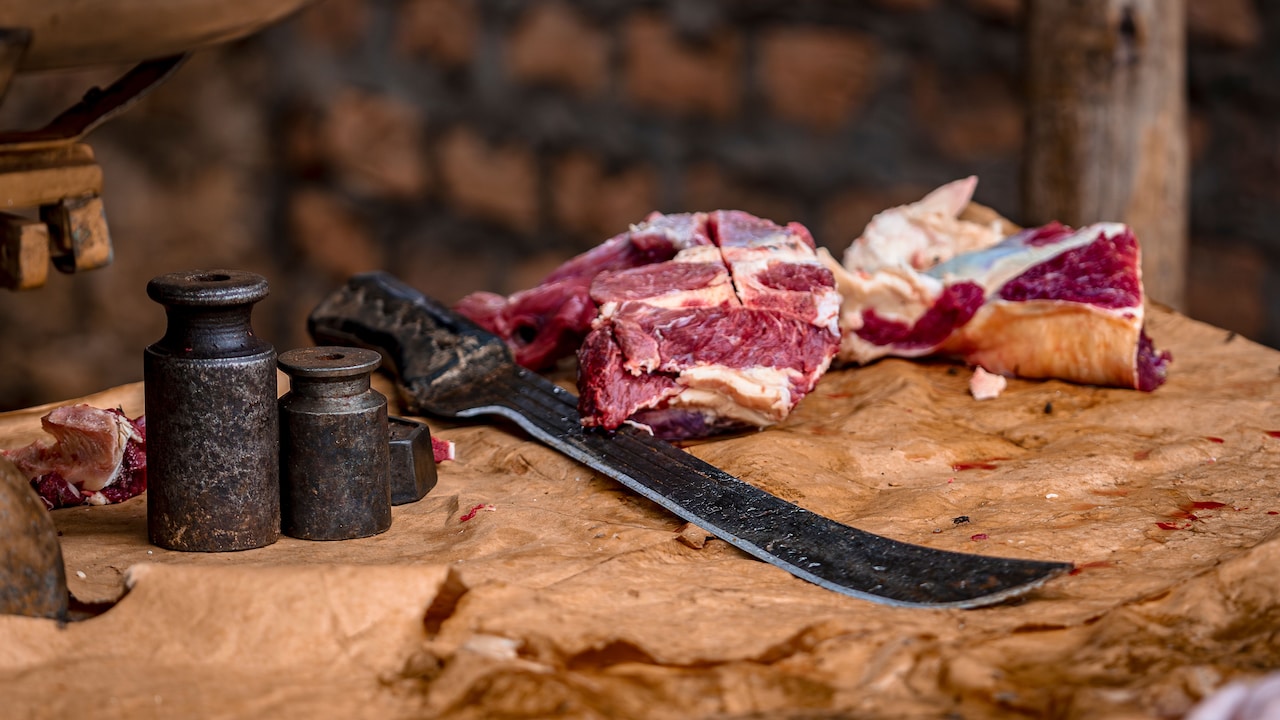
Photo: Unsplash
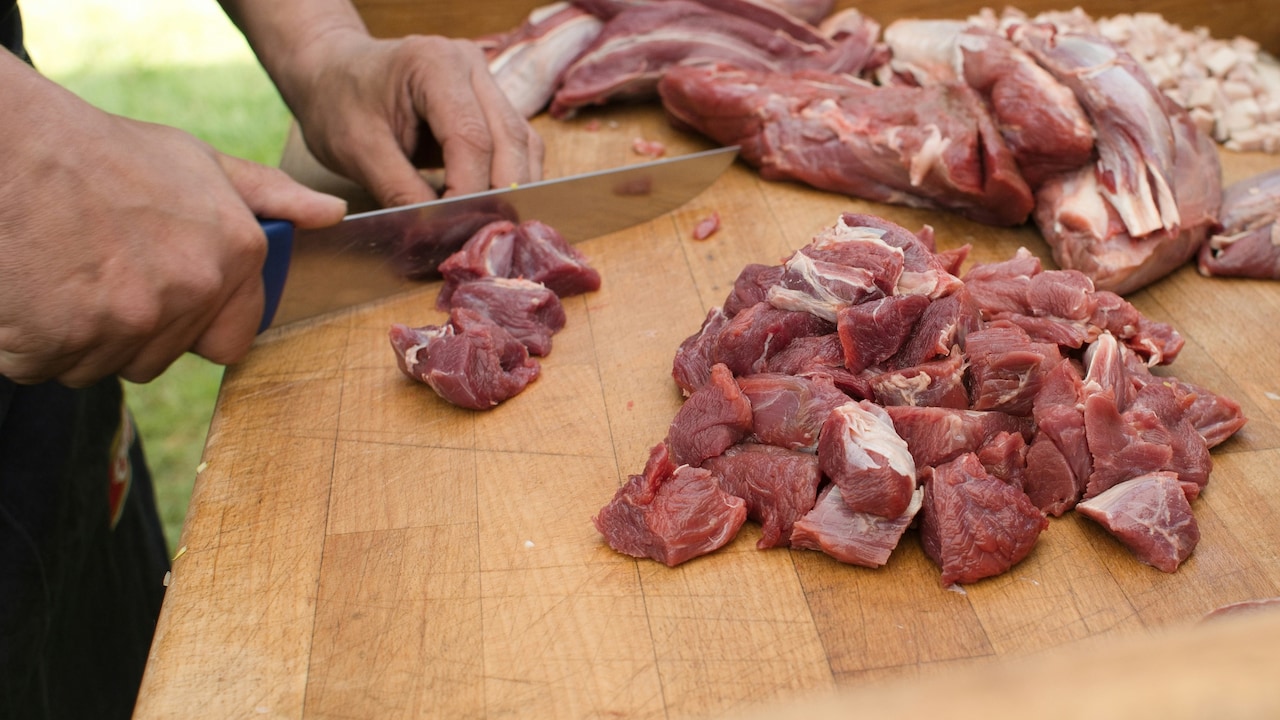
In India, the word “mutton” is commonly used for goat meat. Whether you are buying it from a local butcher or ordering it at a restaurant, that's usually what you will get unless the menu specifies otherwise. However, this is not universal. In countries such as the UK, Australia and New Zealand, mutton refers specifically to the meat of an adult sheep. Meat from a younger sheep is called lamb, while goat meat is simply labelled as goat.
This difference in terminology is one of the main reasons travellers are often surprised when ordering meat abroad. It is also worth noting that even within South Asia, usage can vary slightly. In some regions - particularly parts of South India - “mutton” may refer to sheep as well as goat, depending on local consumption patterns.
Where Did The Word ‘Mutton' Come From?
The word “mutton” has its roots in the Old French word moton (or mouton), which referred to sheep. It entered the English language after the Norman Conquest of England in 1066, when French had a strong influence on English food vocabulary.
This is also why several meat names in English differ from the names of the animals themselves. For example, cow becomes beef, calf becomes veal and pig becomes pork.
Historically, “mutton” has primarily referred to sheep meat in English. However, historical records show that the term has occasionally been used for goat meat in certain regions and contexts, particularly outside Europe.
Lamb, Mutton And Goat: What's The Difference?
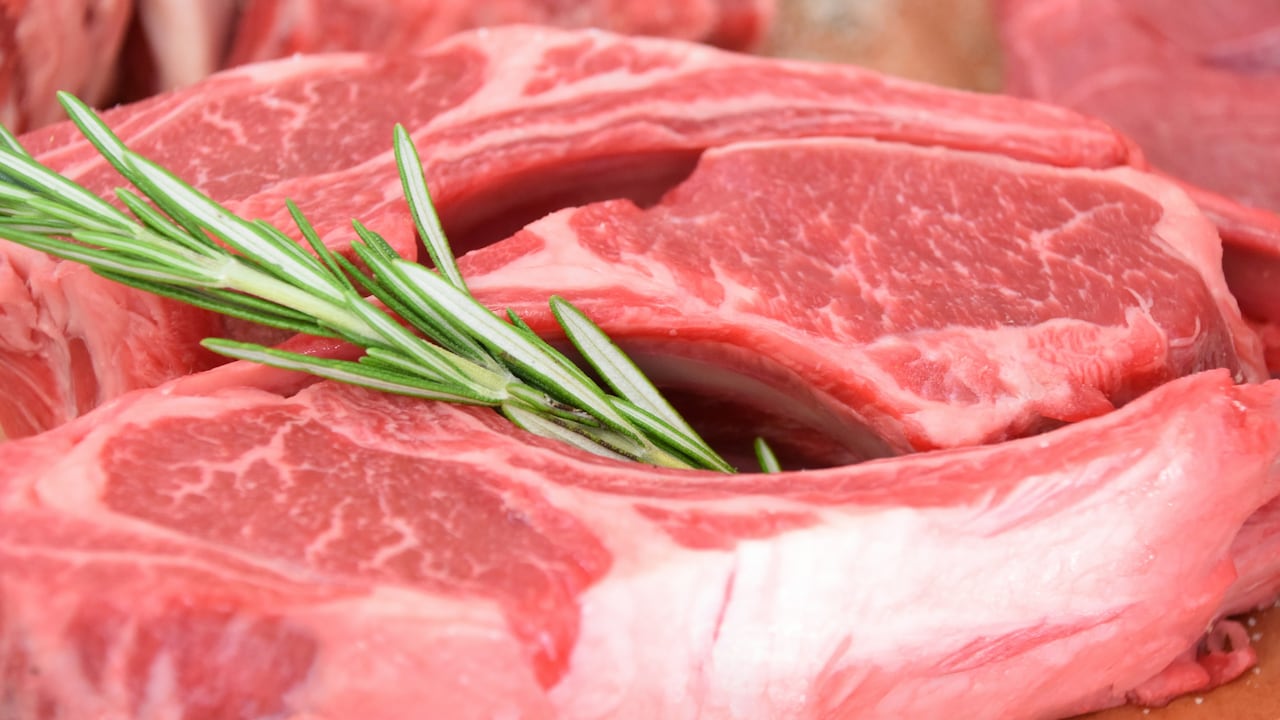
Photo: Unsplash
Globally, these terms refer to very specific categories:
- Lamb: meat from a young sheep (usually under one year)
- Mutton: meat from an older sheep, with a stronger flavour
- Goat: meat from a completely different animal
This clear distinction is standard in most Western culinary systems and helps explain why the Indian usage stands out.
So Why Is Goat Meat Called Mutton In India?
The answer lies in a mix of food culture, practicality and history - not just language. Goat has traditionally been one of the most widely consumed meats across India. It is accepted across most religious communities, unlike beef or pork, making it a common choice on menus and in households. It is also easier to rear in many parts of the country. Goats require less space, adapt well to varied climates and are more practical for small-scale farming, which has made them a staple source of meat for generations.
During British colonial rule, English food terms entered Indian markets and kitchens. Over time, “mutton” - originally used for sheep - became the default English term used for the more commonly available goat meat. As this usage spread through butchers, restaurants and home cooking, it became firmly embedded in everyday language. This is why dishes such as mutton curry, mutton biryani or mutton rogan josh in India are usually prepared with goat meat unless stated otherwise.
Interestingly, similar usage can also be seen in parts of the Caribbean, where “mutton” may refer to goat meat in local cuisine.
Also Read: Why South Korea's Gen Z Is Hooked On Fake Food Apps That Never Deliver Orders
Is There A Separate Name For Goat Meat?
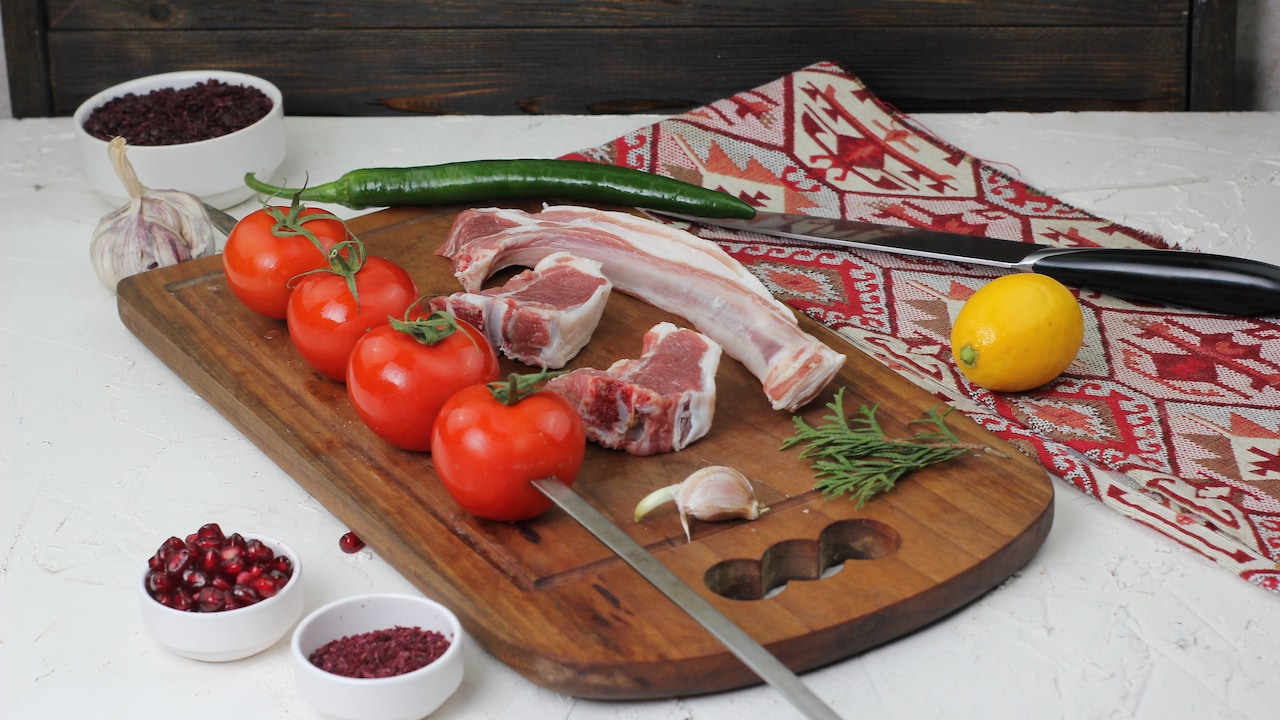
Photo: Pexels
Yes. In formal culinary terminology, goat meat is called chevon, a term derived from French and later adopted in the 20th century to standardise naming. Meat from young goats is sometimes referred to as cabrito. However, these terms are rarely used in everyday conversation. Even in many Western countries, “goat meat” remains the more common label, and “chevon” has not gained widespread popularity outside specialised contexts.
So, the next time someone tells you that mutton means sheep, they are not entirely wrong. Likewise, if an Indian says they're cooking mutton, they are most likely referring to goat. The difference isn't a mistake - it's the result of history, colonial influence, local food habits and cultural preferences coming together over time.
It's a small detail, but one that highlights how food language evolves differently across regions - shaped as much by what people eat as by the words they inherit.