





Ragi is one of those ingredients many of us know well, yet don't use often enough. It may show up occasionally as a "healthy option," but beyond that, it tends to stay out of everyday meals in many homes. That's a missed opportunity, because ragi fits comfortably into all kinds of food moments. It doesn't demand big changes in eating habits, just a little variety in what we choose to eat. When prepared in the right way, ragi feels neither boring nor restrictive. Instead, it can be used to make satisfying delights. Adding a few traditional ragi dishes into the weekly rotation can break food monotony while still keeping meals rooted in flavours and textures we already enjoy. We have listed some traditional treats to begin with below.
Why Eat Ragi During Winter
Winter is a season when digestion slows down, and the body benefits from foods that are filling yet easy to process. Ragi naturally meets this requirement. It is known for keeping you fuller for longer, which helps reduce frequent snacking in colder months. Many ragi dishes are also soft, slow-cooked, or gently fermented, making them suitable when the body prefers comforting textures. Additionally, ragi-based meals often pair well with ghee, jaggery, coconut, or lentils, ingredients commonly consumed in winter diets across India. Together, they create meals that feel complete and grounding, supporting sustained energy through shorter days and colder mornings.

10 Traditional Ragi Dishes To Relish This Winter
1. Ragi Upma
Ragi upma is a comforting twist on a familiar breakfast favourite. Its slightly nutty flavour pairs well with mild spices, vegetables, and ghee, making it ideal for cold mornings. Unlike lighter breakfast dishes, this version feels substantial and keeps you satisfied well into the day. The soft yet hearty texture makes it easy to eat even when appetite is low. Many enjoy it with coconut chutney for balance.
2. Ragi Mudde
Ragi mudde is a traditional dish from Karnataka which is often associated with strength and sustenance. These soft, steamed ragi balls are typically eaten warm and paired with thin gravies or lentil-based sides. In winter, mudde feels especially comforting because of its dense, warming nature.

Also Read: What Are The Health Benefits Of Eating Dates (Khajoor) In Winter
3. Ragi Malt
Ragi malt is often consumed warm and has a soothing, porridge-like consistency that suits winter mornings or evenings. It can be savoury or mildly sweet, depending on personal preference. Many people turn to it when they want something light yet nourishing. It is also commonly enjoyed as a mid-day or early evening drink-meal combination.
4. Ragi Dosa
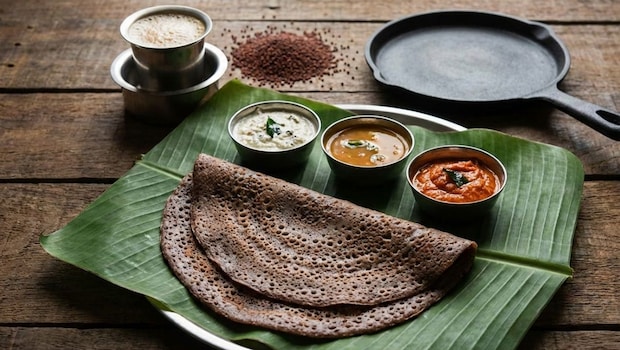
Ragi dosa has a darker colour and deeper flavour compared to regular dosas, making it feel more robust for winter eating. Its crisp edges and soft centre offer a satisfying contrast in texture. You can eat it with spicy chutneys or simple vegetable curries. This dosa feels hearty without being heavy. It works well as a leisurely breakfast or even a comforting dinner option on cold nights. If you don't want to make it at home, order it online.
5. Ragi Idli
Ragi idlis are softer and more filling than their plain rice counterparts, making them well-suited for winter mornings. They have a gentle, earthy flavour that enhances the taste of sambar and chutneys in a unique way. The fermentation adds a lightness that balances ragi's natural density. These idlis are generally easy to eat and digest.
6. Ragi Puttu
Ragi puttu is a steamed dish layered with coconut, making it both comforting and aromatic. Its crumbly texture and mild sweetness feel especially satisfying in winter. It pairs well with simple accompaniments like banana, jaggery, or light curries. They make for a steady, no-fuss meal during colder months.
7. Nachni Bhakri
Nachni bhakri is a rustic flatbread that feels tailor-made for winter meals. It is dense, earthy, and best eaten hot with a drizzle of ghee. Paired with vegetable preparations, lentils, or curries, it creates a deeply satisfying plate. Bhakri meals are typically slow and hearty, encouraging you to eat mindfully. You can find different versions of this flatbread on food delivery apps.
8. Nachni Ukad
Nachni ukad is a simple, porridge-like preparation that is often eaten warm. It is usually lightly seasoned and finished with ghee, giving it a soothing quality. This dish is especially popular when one wants something easy yet grounding. In winter, it works well as a breakfast or evening meal.
9. Ragi Laddoo

Ragi laddoos are a winter-friendly sweet that feels nourishing rather than indulgent. Made with natural sweeteners and fats, they are often enjoyed as small energy bites. In colder months, they pair well with warm milk or tea. Their dense texture makes them satisfying even in small quantities. Many families keep them handy for quick nourishment during winter days.
Also Read: What To Eat In Winter To Support Immunity And Prevent Seasonal Illness
10. Ragi Halwa
Ragi halwa is a slow-cooked dessert that feels especially suited to winter. Its rich texture and deep flavour make it ideal for evenings when you want something warming and comforting. It is often enjoyed in small portions, making it both satisfying and mindful. Served warm, it perfectly rounds off a winter meal.
Add these ragi dishes to your seasonal diet and let them chase the winter blues away!
Disclosure: This article may contain links to third-party websites or resources. However, this does not affect the integrity of the content, and all recommendations and views are based on our independent research and judgment.