




Winter is well and truly here. The air is colder, days are shorter, and sunlight is limited. As temperatures drop, our immune system has to work harder to protect us from seasonal infections such as colds, coughs, and flu, which tend to circulate more during this time of year. Reduced exposure to sunlight, dry air, and increased time spent indoors all add to the strain on our body's natural defences. Less sunlight means lower vitamin D levels, while cold, dry air can dry out the nose and throat, making it easier for viruses to enter. Crowded indoor environments further increase the risk of infections spreading. This makes winter an especially important time to pay closer attention to what we eat.
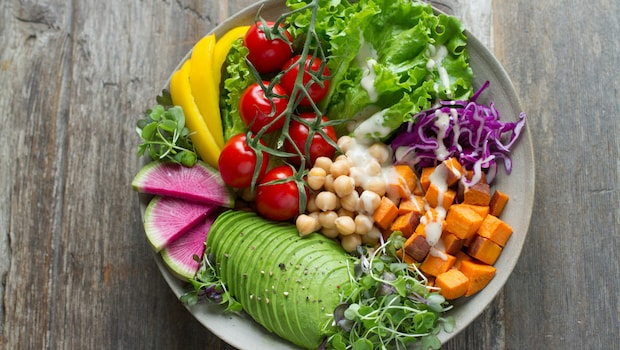
A well-balanced, nutrient-rich diet can support immune function and help the body cope better with seasonal challenges.
Key Nutrients That Support Immunity
1. Vitamin C
When it comes to immunity, vitamin C is often the first nutrient that comes to mind. It plays a vital role in supporting both innate and adaptive immune responses. Vitamin C boosts antioxidant activity to limit cellular damage and supports collagen synthesis, which helps maintain the body's physical barriers against pathogens.
Food sources: Citrus fruits, guava, amla, bell peppers, broccoli

Photo Credit: Pexels
2. Vitamin D
Vitamin D has a close relationship with immune health. It helps regulate immune responses, supports the production of antimicrobial peptides that fight infections, and influences the activity of immune cells involved in combating pathogens. Vitamin D may also play a role in maintaining a healthy gut microbiome, which further supports immunity. During winter, reduced sunlight exposure can make it harder to meet vitamin D needs through sun exposure alone. So supplementation may be advised for some people.
Food sources: Sunlight, fortified milk, eggs, fatty fish
Also Read: What Are The Health Benefits Of Eating Dates (Khajoor) In Winter
3. Zinc
Zinc is essential for the development and proper functioning of the immune system. Inadequate zinc levels can impair immune cell growth, activation, and communication, thus increasing vulnerability to infections. Maintaining sufficient zinc intake is particularly important during periods of increased illness risk.
Food sources: Nuts, seeds, beans, whole grains, poultry, seafood

4. Antioxidants and Phytochemicals
Antioxidants and phytochemicals help neutralise free radicals that can damage cells and DNA. They also play a role in controlling inflammation and support overall immune health. Ingredients such as garlic, turmeric, ginger, and green tea contain bioactive compounds known for their anti-inflammatory and protective properties. Curcumin, the active compound in turmeric, has been studied for its antiviral and anti-inflammatory effects.
Food sources: All fruits and vegetables, garlic, turmeric, ginger, green tea
5. Probiotics
Around 70 per cent of the immune system is linked to the gut. Probiotics help maintain a healthy gut microbiome, support the integrity of the gut lining, and secrete beneficial compounds. They are also known to influence immune cell activity, helping the body fight infections while reducing excessive inflammation. Regular probiotic intake has been associated with better resistance to common illnesses.
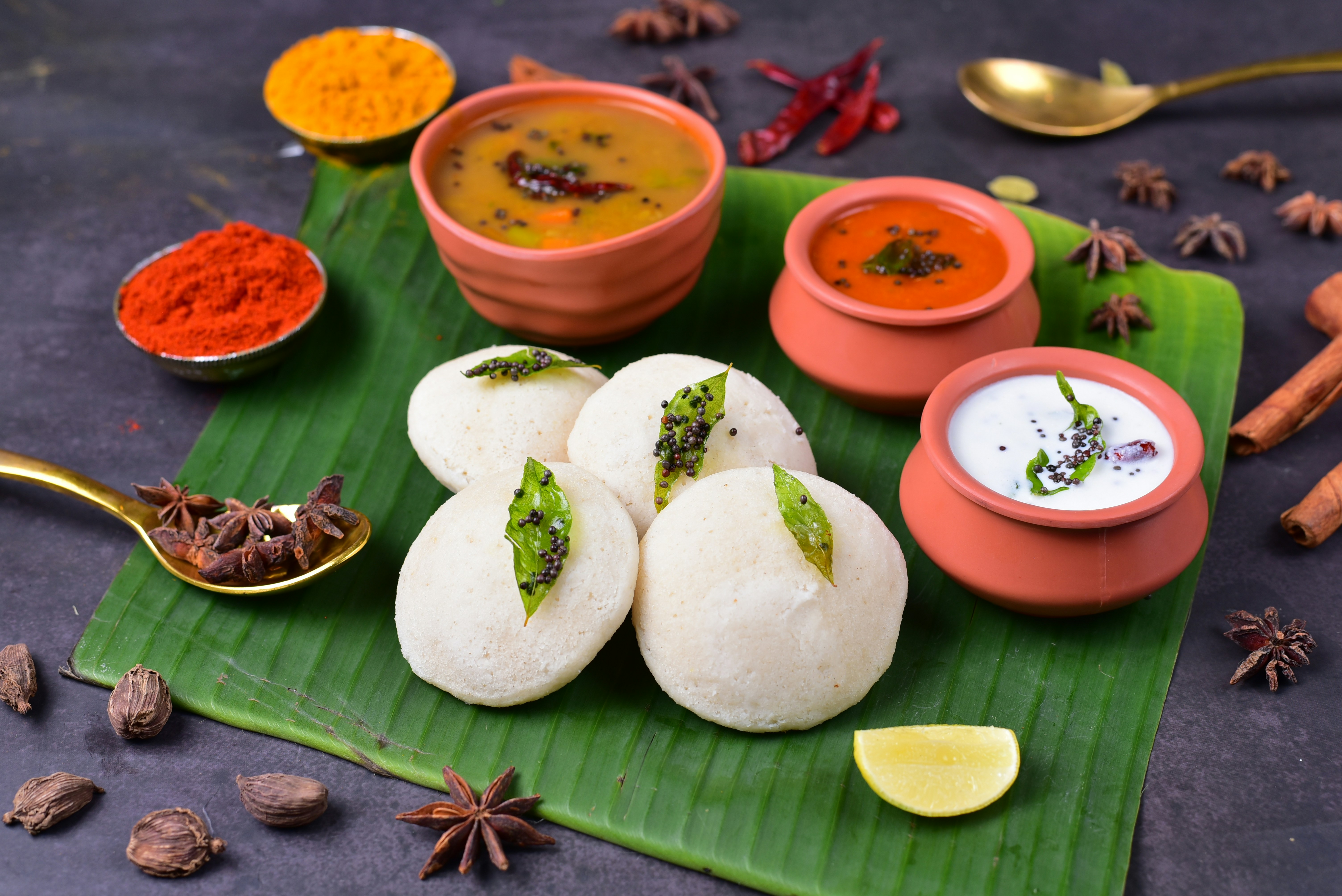
Food sources: Yoghurt, kefir, fermented foods such as idlis, dosas, pickles, kanji, etc.
6. Protein
Proteins are the building blocks of the immune system. They supply amino acids required for the production of antibodies, enzymes, and cytokines, all of which play crucial roles in immune defence. Inadequate protein intake can weaken the body's ability to respond effectively to infections.
Food sources: Eggs, pulses, lean meats, dairy, tofu, legumes

Everyday Habits That Support Immunity
Along with good nutrition, simple daily habits can strengthen immune defences during winter. Stay well hydrated even if thirst cues are lower; water helps flush out toxins, and herbal teas or soups can contribute to fluid intake. Regular physical activity, even light walks, supports circulation and immune function. Prioritise sleep, aiming for seven to eight hours a night, as this allows the body time to repair and regenerate. Maintaining good hygiene also remains essential to reduce infection risk.
Also Read: 10 Warm Winter Drinks To Strengthen Immunity, Naturally
Strengthening immunity during winter is about consistency rather than quick fixes. A diet rich in seasonal fruits and vegetables, adequate protein, healthy fats, and probiotic foods can make a meaningful difference. When combined with sunlight exposure where possible, regular movement, proper hydration, and sufficient sleep, these choices give your immune system the best chance to function optimally and keep you healthy through the colder months.
Disclaimer: The opinions expressed within this article are the personal opinions of the author. NDTV is not responsible for the accuracy, completeness, suitability, or validity of any information in this article. All information is provided on an as-is basis. The information, facts or opinions appearing in the article do not reflect the views of NDTV, and NDTV does not assume any responsibility or liability for the same.