



In a recent video, influencer Revant Himatsingka, better known as Food Pharmer, spoke about France's "soda tax" - and why he believes India needs one too. He argues that the same fizzy drink often contains far less sugar in France than it does in India, and he says the tax is the reason why. Here's a closer look at how France's soda tax actually works, and what it has done to sugar levels in soft drinks.
What Is France's Soda Tax?
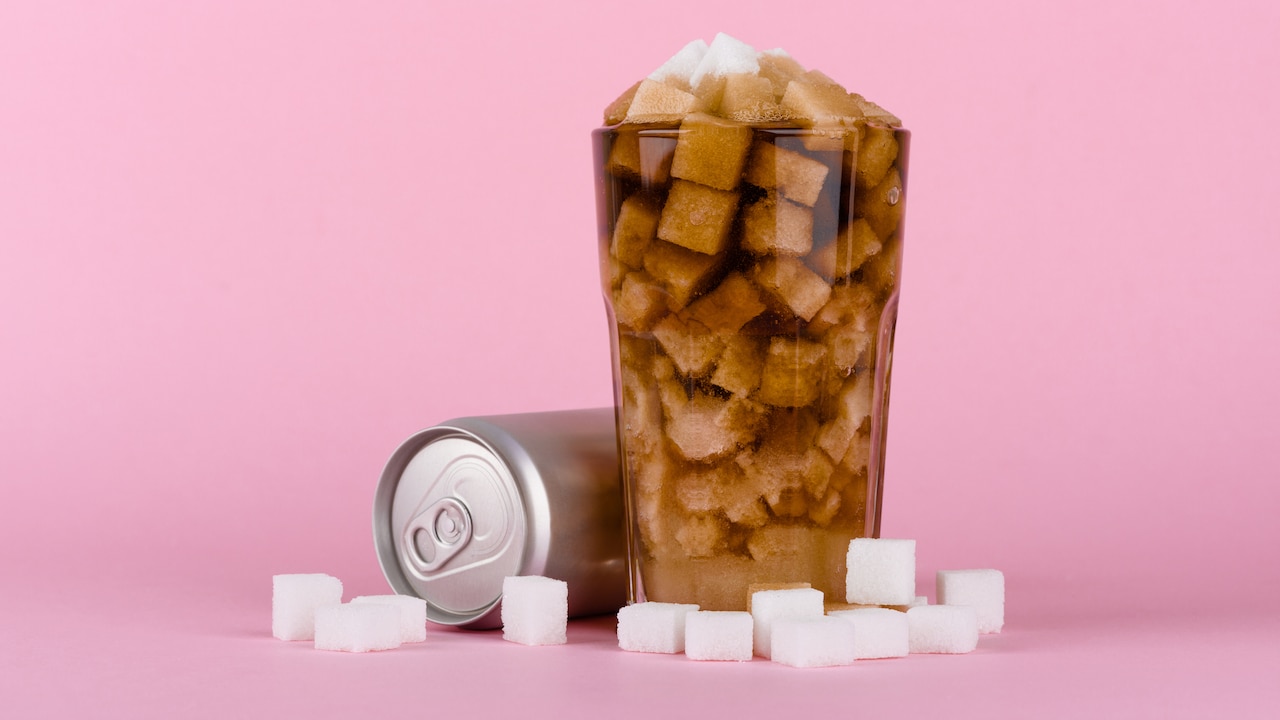
France taxes soft drinks based on how much sugar they contain - the more sugar in the drink, the higher the tax. Faced with this sliding scale, many beverage companies have chosen to reduce the sugar in their recipes rather than pay more.
France first introduced its national soda tax back in January 2012, and restructured it in July 2018 to make it more directly linked to sugar content. Under the current system, the tax follows a sliding scale tied to the exact amount of added sugar in a drink.
France taxes soft drinks based on how much sugar they contain.
More sugar means higher tax.
As a result, many beverage companies reduced the sugar in their drinks.
That's why the same soft drink sold in France often contains much less sugar than the one sold in India.
These… pic.twitter.com/kdaM3DZFS2— Revant Himatsingka “Food Pharmer” (@foodpharmer2) July 22, 2026
What This Sliding Scale Means In Practice
High-sugar drinks pay the most. Standard colas, which typically contain over 100g of sugar per litre, fall into the top bracket and face the steepest tax. Diet and zero-sugar drinks get off lightly. Artificially sweetened sodas skip the steep sugar-based tiers altogether and are taxed at a much lower flat rate.
This pushes companies to reformulate. Because the jump between tiers is so steep, manufacturers have a strong financial reason to bring their drinks down into a lower sugar bracket rather than absorb the higher tax.
Did It Actually Change What People Drink?
The tax was largely passed on to shoppers through price rises of roughly 7-8 per cent, and as per reports, this did shift buying habits. However, the goal of the tax was never really to make consumers pay more; it was to push manufacturers to reformulate their products.
Following France's 2017 sugar tax increase, the Dr Pepper Snapple Group cut the sugar content of its Schweppes drinks by 40 per cent (and 7 Up by 30 per cent), Unilever did the same with its Lipton Ice Tea, and the Coca-Cola Company reduced Fanta's sugar content by 30 per cent.
Why Food Pharmer Wants This In India
"These companies already know how to make lower-sugar products. So why don't they do the same in India? I strongly believe India should also implement a soda tax! It would simply encourage companies to reduce the amount of sugar they add and reduce the amount of sugar Indians consume daily," Food Pharmer says.
His concern is rooted in the numbers. Sodas sold in India contain an average of 10-11g of sugar per 100ml. For a standard 300ml serving, that works out to roughly 30-33g of sugar - about 7.5 to 8 teaspoons. This already exceeds the WHO's recommended daily added sugar limit of 25g in a single drink.
Other Countries That Already Have A Soda Tax
France isn't alone. Over 100 countries and territories now tax sugar-sweetened beverages in some form, including:
- The United Kingdom
- Mexico
- South Africa
- Portugal
- Chile
- The US (specific regions and cities)