



Breakfast is often called the most important meal of the day, and when you are trying to lose weight, choosing the right option becomes crucial. Among the many favourites in Indian kitchens, idli and paratha stand out as two popular choices. Both are delicious, comforting and versatile, but they differ significantly in terms of nutrition and impact on your health goals. While idli is light and steamed, paratha is hearty and often cooked with oil or ghee, making the comparison even more interesting. So, which one should you pick if you want a breakfast that supports your weight-loss journey? Let us break it down.











Also Read: Tired Of Boring Idlis? Try This Easy Idli Rings Recipe To Upgrade Your Breakfast
What Are The Health Benefits Of Idi
1. Low in Calories
Idli is steamed rather than fried, which means it contains very little fat and fewer calories compared to most Indian breakfast items. This makes it an excellent choice for those who want a light yet satisfying start to the day. A plate of idlis can keep you full without adding unnecessary calories, making it perfect for weight management.
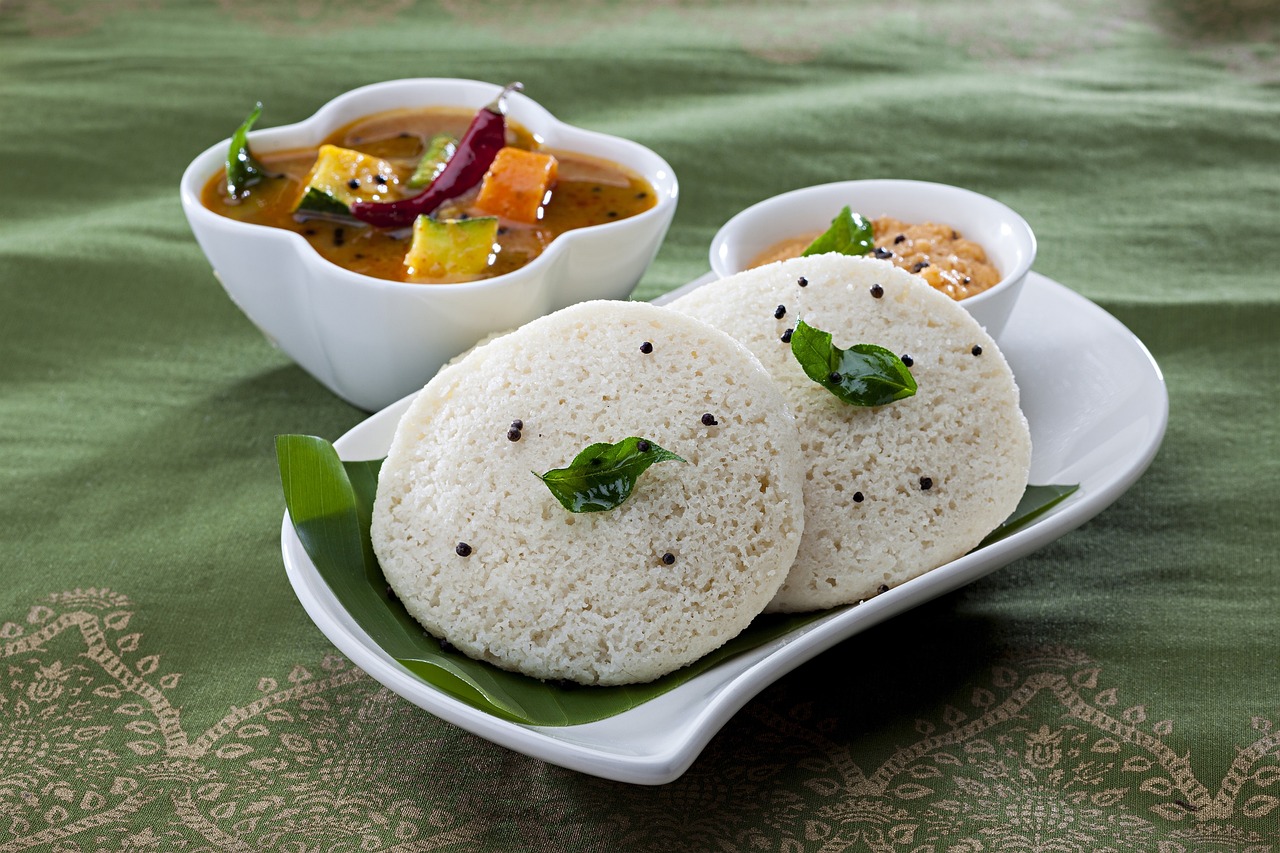
Photo Credit: iStock
2. Easy to Digest
The fermentation process used in making idli breaks down complex nutrients, making it gentle on the stomach. It is ideal for people with sensitive digestion or those who prefer a meal that does not feel heavy. Its soft texture and lightness ensure that your body does not feel sluggish after eating.
3. Rich in Nutrients
Fermentation enhances the bioavailability of minerals like iron and improves gut health by promoting beneficial bacteria. This not only aids digestion but also boosts overall immunity. Idli also contains protein from lentils, making it a wholesome option for vegetarians.
4. Keeps You Energised
Idli provides complex carbohydrates that release energy slowly, preventing sudden spikes in blood sugar. This helps you stay active and reduces mid-morning cravings. It is a great way to fuel your body for a busy day without feeling weighed down.
What Are The Health Benefits Of Paratha
1. High in Fibre
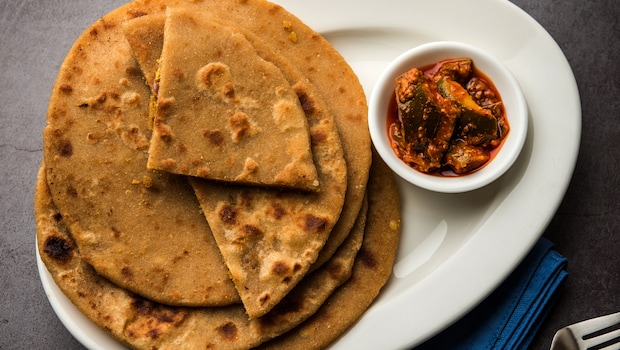
When made with whole wheat flour, paratha offers a good amount of dietary fibre. Fibre supports digestion, helps regulate blood sugar and keeps you feeling full for longer periods. This can be beneficial for those who struggle with frequent hunger pangs.
2. Provides Satiety
Paratha is dense and filling, which means you are less likely to snack unnecessarily after eating it. This can help control overall calorie intake throughout the day. A well-made paratha can keep you satisfied for hours, making it a practical choice for people with long gaps between meals.
3. Versatile Nutritional Additions
You can stuff parathas with vegetables, paneer or greens, adding vitamins, minerals and protein to your meal. This makes it a customisable option for those who want balanced nutrition. With the right fillings, paratha can become a nutrient-rich powerhouse.
4. Good Source of Energy
Paratha delivers sustained energy thanks to its combination of carbohydrates and fats. It is particularly useful for people with physically demanding routines or those who need long-lasting fuel. However, the amount of oil or ghee used can make a big difference in its health quotient.
Also Read: How To Make Jowar Paneer Paratha For A Healthy Breakfast
Which Is Better For Weight Loss? Idli Or Paratha?
While both have their merits, idli takes the crown for a weight-loss friendly breakfast. Its low calorie count, light texture and fermentation benefits make it ideal for those looking to cut down on excess fat without compromising on nutrition. Paratha, though wholesome, often involves oil or ghee, which can increase calorie intake. If you love parathas, opt for minimal oil and add fibre-rich fillings to make them healthier.