




Walk into certain restaurants in India, and you're not just eating food. You're walking into a living museum where recipes have survived independence, wars, Partition, and the relentless march of modernisation. These aren't trendy establishments trying to look retro. They're genuinely, authentically old. Some predate modern India entirely. They've fed generations. They've witnessed history unfold. They've survived because what they serve is genuinely, undeniably delicious. These eight restaurants prove that age isn't a liability in restaurants. It's a credential. The recipes have been tested across decades. The techniques have been refined through repetition. The customers keep returning because taste never stops being important, no matter how fashionable other restaurants become.
1. Karim's, Delhi: Mughal Kitchens Translated Into Modern Streets
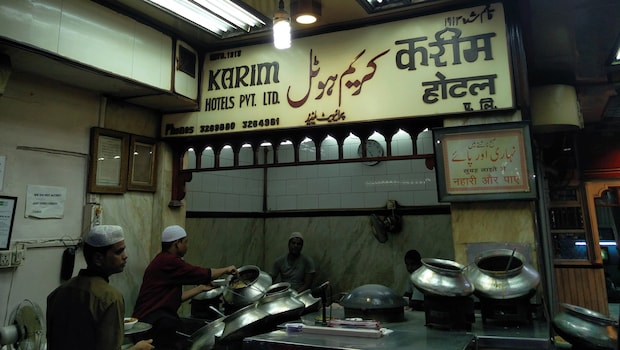
Karim's opened in 1913 in the narrow lanes of Old Delhi, near Jama Masjid. The founder, Haji Karimuddin, wasn't starting from scratch. Legend claims his family worked in the royal kitchens of the Red Fort during the Mughal era. When the empire fell, the recipes remained. When Partition happened, Karim's survived. The restaurant has been run by the same family for five generations.
Galli Kababian in Old Delhi feels chaotic. Narrow lanes. Constant noise. Overwhelming sensory input. Karim's sits within this chaos yet feels separate. Simple. Unpretentious. Locals eat alongside tourists. The walls carry decades of smoke and grease. This isn't Instagram-friendly. It's genuinely authentic.
The menu doesn't change. Nihari (slow-cooked meat stew, served for breakfast). Mutton Korma. Badam Pasanda (almond paste curry). Kofta. Biryani. Every dish is cooked using processes established 70-80 years ago. Charcoal fires. Hand-pounded spices. No shortcuts. The fifth-generation owner, Arshad Kamaal, states that changing recipes would compromise their entire identity.
Karim's food tastes how Mughlai cuisine probably tasted centuries ago. Rich, complex, layered. The Nihari simmers overnight. The Badam Pasanda uses actual almond paste ground fresh. Nothing is rushed. Everything tastes like it required genuine effort.
2. Britannia & Co., Mumbai: Irani Exile Turned Institution
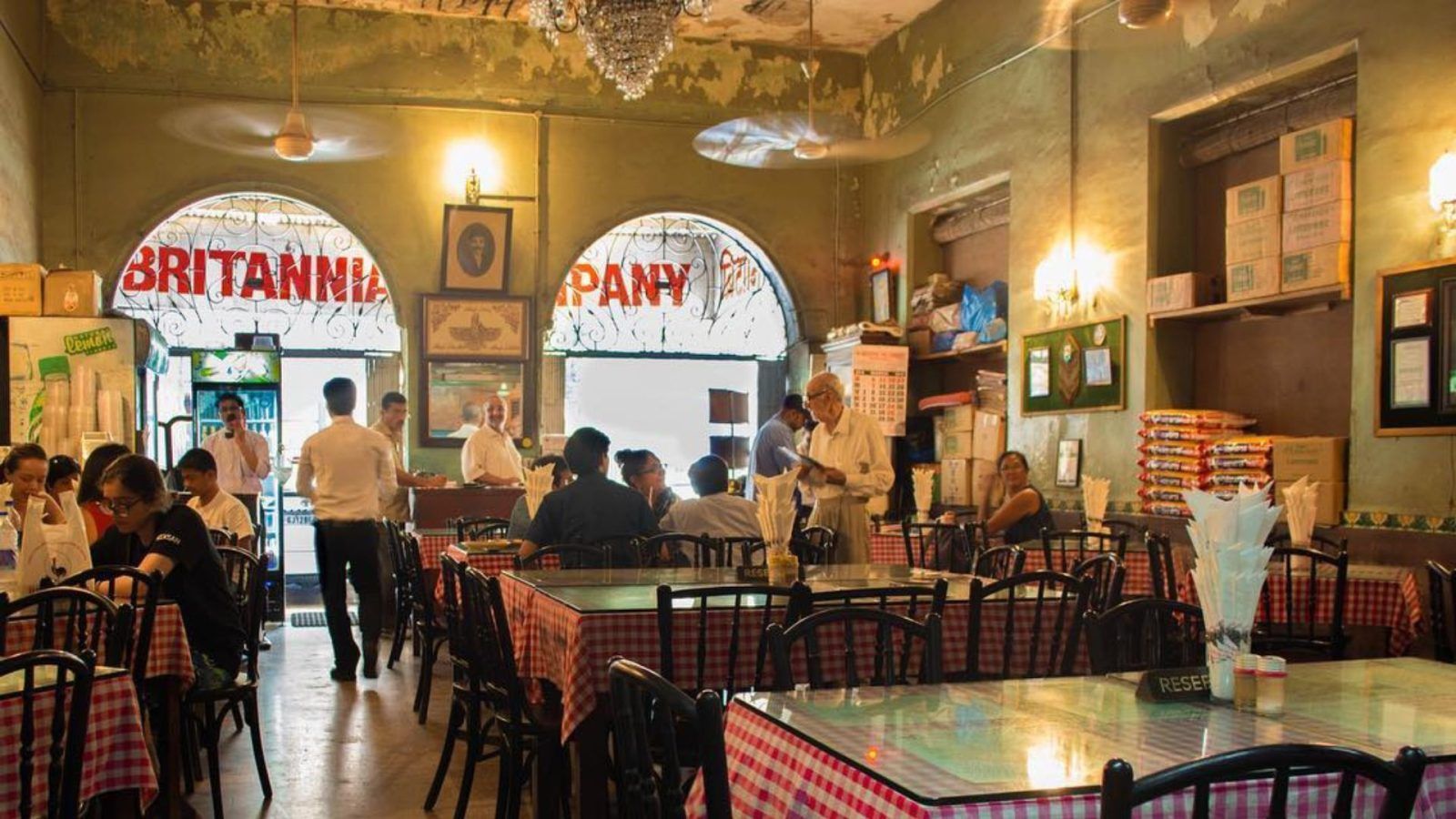
Britannia opened in 1923 when British officers needed somewhere to eat near their colonial administration headquarters in Ballard Estate. Boman Kohinoor, an Irani immigrant, founded it. His vision was to create refined dining for the colonial elite. The restaurant retained its original furniture, imported from Poland by hand. The décor hasn't fundamentally changed in a century.
Ballard Estate feels frozen in time. Britannia occupies a British colonial building. Walking in feels like entering an era. High ceilings. Wooden interiors. Original Brentwood furniture. Service is formal, almost ceremonial. Every detail speaks to preserved history.
The famous Berry Pulao uses berries Boman Kohinoor has supposedly imported from Iran for decades. Salli Boti (meat cooked with thin noodles). Caramel Custard (dessert). The menu blends Irani and Parsi traditions. Breakfast is served only until 4pm. Timing matters.
Britannia food tastes refined and layered. The Berry Pulao isn't immediately impressive. It reveals itself slowly. Sweetness from berries. Savoury from meat. Complexity from spices. The Salli Boti's noodles add textural contrast.
Special Note:
Boman Kohinoor, now in his eighties, often takes orders personally. Guests frequently report that he insists on serving fresh lime soda, whether you asked for it or not. That personal touch is Britannia's actual magic.
3. Leopold Café, Mumbai: Survivor, Symbol, Legend

Leopold opened in 1871, making it older than modern India itself. It was founded by Irani immigrants. The café served British officers, Indian independence fighters, writers, and eventually modern tourists. It survived two world wars. It survived the 2008 Mumbai terror attacks. Bullet holes remain visible from that night, preserved deliberately. The café refused to close. That resilience defines it.
Colaba's bustling streets surround Leopold. The café feels unchanged. Wooden interiors. Casual seating. No pretence. The bullet holes on the front wall face the street. Every visitor notices them. That's intentional.
Leopold serves simple continental and Indian fare. Beer towers. Burgers. Indian curries. Desserts. Nothing is complicated. The food isn't the point. The history, the atmosphere, the symbolism is the point.
Leopold's food tastes like comfort. Not sophisticated. Not experimental. Just honest. A good burger. A proper curry. What matters is eating somewhere genuinely historic.
4. Tunday Kababi, Lucknow: The One-Armed Legend
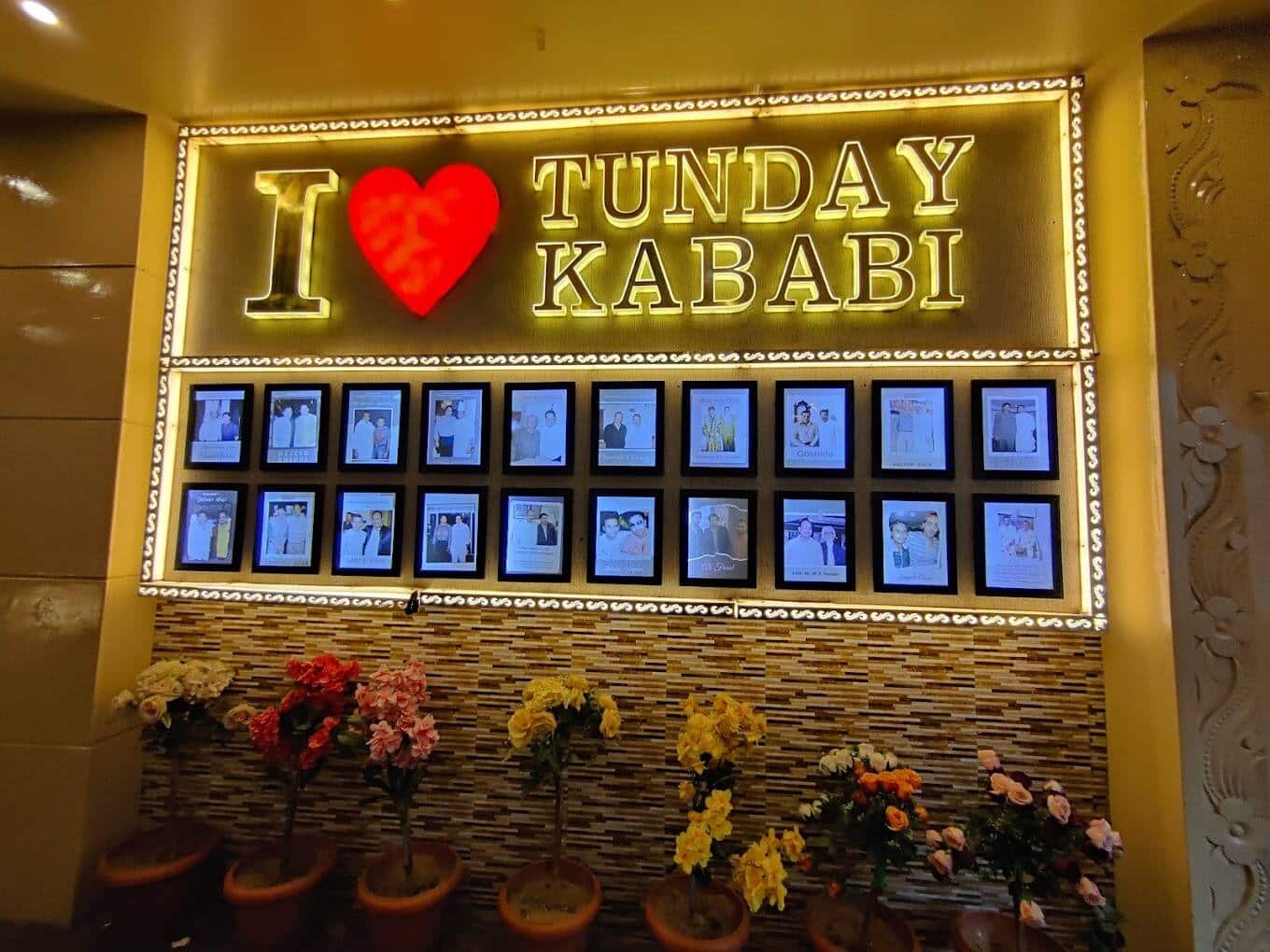
Tunday Kababi opened in 1905 in Galli Kababian (interestingly, the same galli where Karim's operates, though in different cities). The founder, Haji Murad Ali, was a one-armed cook who worked for the Nawab of Lucknow. Legend claims his galouti kebabs contained over 160 spices. He was nicknamed “Tunday” (meaning one-armed). The restaurant took his name.
Old Lucknow's Chowk area feels like stepping back in time. Narrow lanes. Heritage buildings. Tunday's location hasn't changed. The simple, unpretentious setting doesn't distract from food.
Galouti kebabs are the focus. These kebabs are so soft you can eat them without teeth. Biryanis. Kormas. The galouti recipe supposedly hasn't changed in over a century. Every kebab is handmade.
Galouti kebabs taste incredibly delicate. The meat is so finely minced that texture becomes about creaminess rather than chew. The spice blend is complex but not aggressive. It's a flavour that evolves as you eat, revealing new notes continuously.
5. Flurys, Kolkata: Swiss Excellence In British India
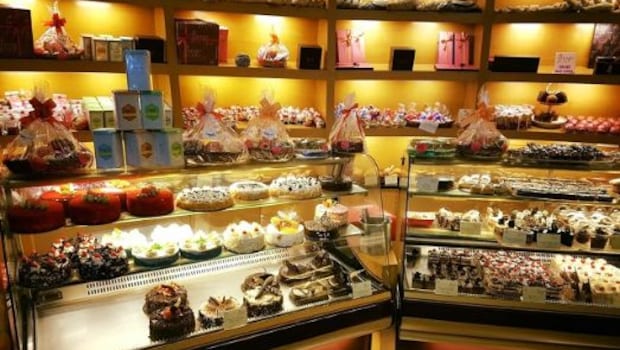
Flurys opened in 1927 when Swiss couple Joseph and Frieda Flury established a bakery and café in Kolkata. The café became famous for plum cakes, rum balls, and pastries. It attracted Kolkata's intellectual and artistic circles. Filmmaker Satyajit Ray was a devoted customer. The café hasn't fundamentally changed.
Park Street in Kolkata is Flurys's address. The café sits in what feels like colonial grandeur. High ceilings. Vintage fixtures. Queues outside weekly, especially before Christmas.
Boozy plum cakes. Rum balls. Flaky pastries. Sandwiches. The pastries are the focus. Every item tastes like it requires genuine skill to prepare.
Flurys pastries taste rich, buttery, sophisticated. The plum cakes have genuine alcohol content. The rum balls melt on tongue. Everything tastes like what British Imperial society probably ate.
6. Indian Coffee House, Kolkata: Where Intellectuals Built India
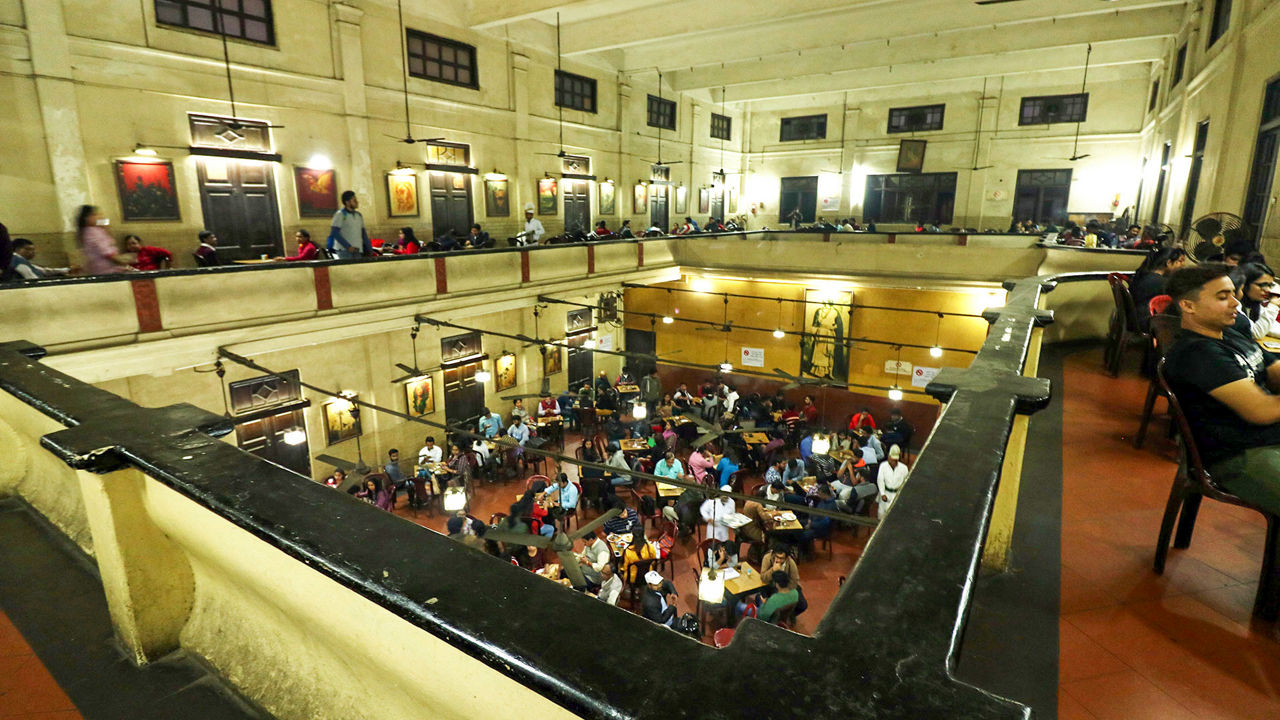
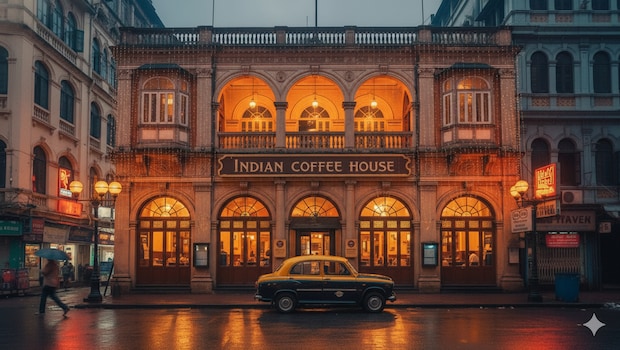
Indian Coffee House on College Street opened before independence. It became the meeting place for freedom fighters, poets, writers, and intellectuals. Rabindranath Tagore sat here. Subhash Chandra Bose planned revolutions here. The café is less about food, more about preserving history.
College Street is Kolkata's intellectual heart. Bookshops line the street. Students everywhere. Indian Coffee House feels like stepping into Kolkata's intellectual past. High ceilings. Wooden interiors. Nothing fancy. The entire point is conversational space.
Omelettes. Hot coffee. Simple food. Service is deliberately slow. “Adda-baji” (conversation culture) is the actual meal. People wait 30 minutes for food and don't complain because the conversation is the experience.
Indian Coffee House's food isn't the focus. The coffee is decent. The omelettes are properly cooked. The food tastes like what it is: fuel for longer conversations.
7. MTR (Mavalli Tiffin Room), Bangalore: Inventing Rava Idli
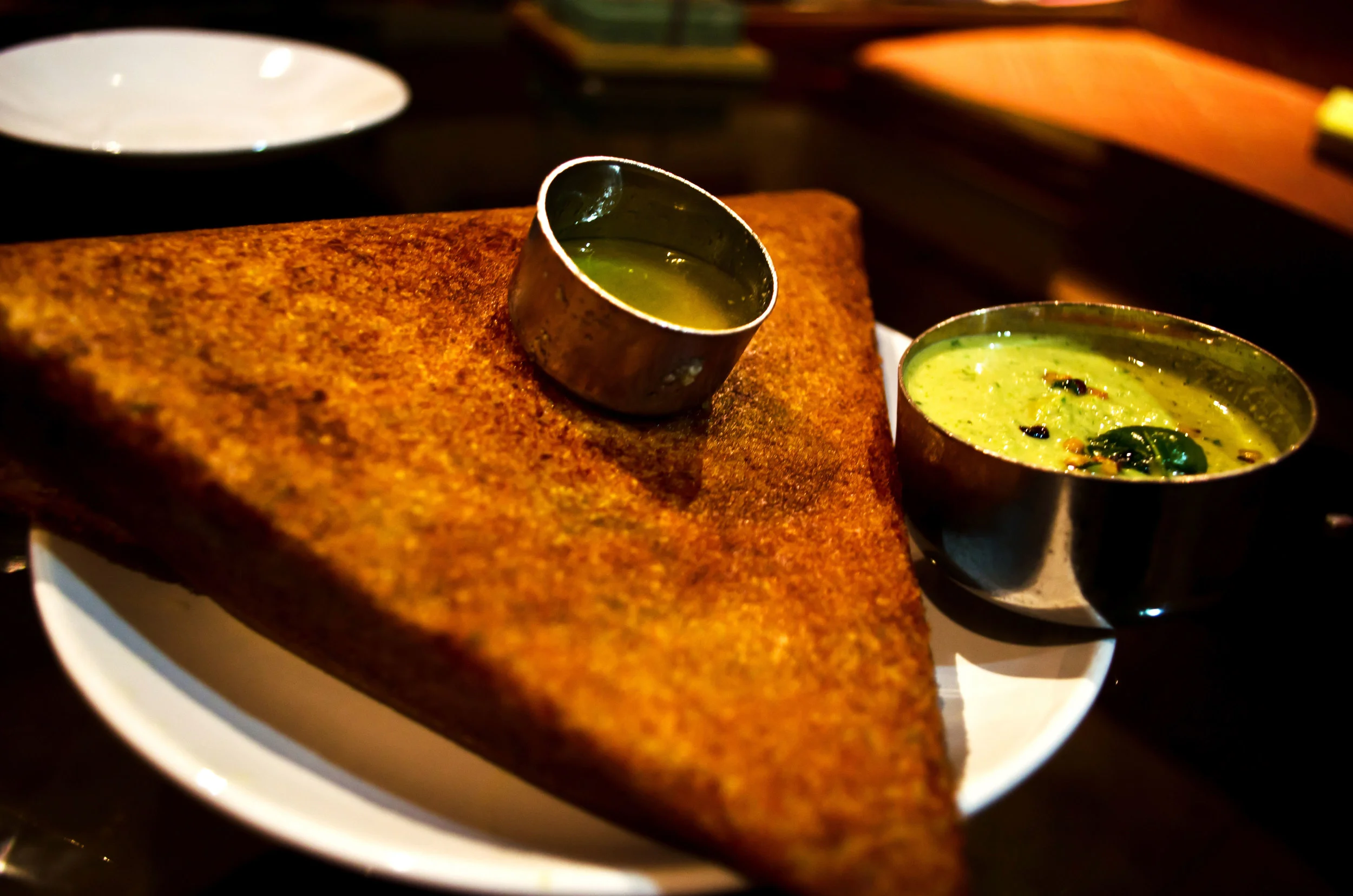
MTR opened in 1924 in Bangalore as a simple tiffin room. It remained local and loved for decades. During World War II, rice became scarce. MTR's cook invented rava idli (semolina idli) as a solution. The innovation became legendary. MTR eventually franchised, creating MTR Foods. The original restaurant remains simple.
Bangalore's Malleshwaram locality houses MTR. The restaurant is unpretentious. Simple seating. Basic décor. People wait in lines for hours. Locals eat alongside tourists. Nothing separates MTR from a basic tiffin room except its reputation.
Idlis. Dosas. Rava idlis. Sambhar. Chutney. The menu barely changes. Every item tastes like it's been perfected across a century of repetition.
MTR's food tastes pure. Simple. The idlis are fluffy and soft. The dosas are crispy. The sambhar is spiced correctly. There's no pretence. Every component works perfectly.
8. Kesar Da Dhaba, Amritsar: Partition Survivor
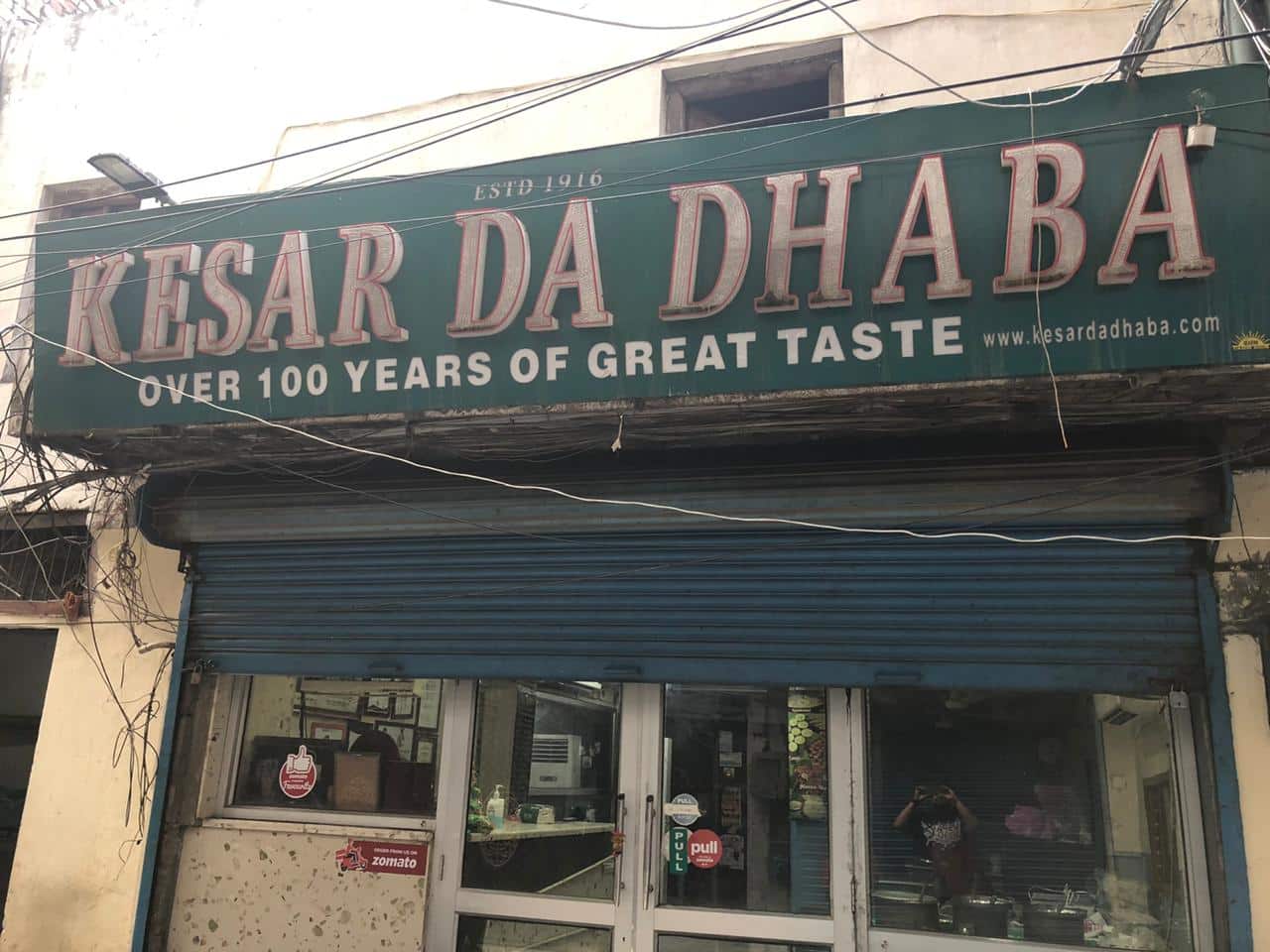
Kesar Da Dhaba opened in 1916 in Lahore. It survived Partition. The owners relocated to Amritsar in 1947. The restaurant now serves the same recipes established over a century ago. Dal Makhani slow-cooks for 12+ hours. Rajma uses hand-pounded spices. Every dish uses pure desi ghee.
Amritsar's streets surround Kesar Da Dhaba. The simple dhaba aesthetic unchanged. Locals eat casually. The space feels genuinely lived-in. Nothing is done for effect.
Dal Makhani. Rajma. Palak Paneer. Paratha Thali. Phirni. Every dish is cooked using century-old processes. Hand-pounded spices. Charcoal cooking. No modernisation.
Kesar Da Dhaba's food tastes like what proper Punjabi cuisine should taste. Rich. Slow-cooked. Complex. The Dal Makhani's overnight cooking creates flavours impossible to replicate quickly.
Final Thoughts
These eight restaurants prove something genuinely important: authentic flavour never ages. The recipes work because they're genuinely delicious, not because they're old. Age is simply evidence of that truth. Walking into these restaurants means walking into India's culinary history. Every bite carries stories. Every flavour carries memory. These restaurants remind us that some things don't need to evolve. They simply need consistency, respect for ingredient and technique, and the patience to wait for food to be prepared correctly. In an age where everything changes constantly, these restaurants stand as monuments to something stable, something real, something undeniably delicious.