


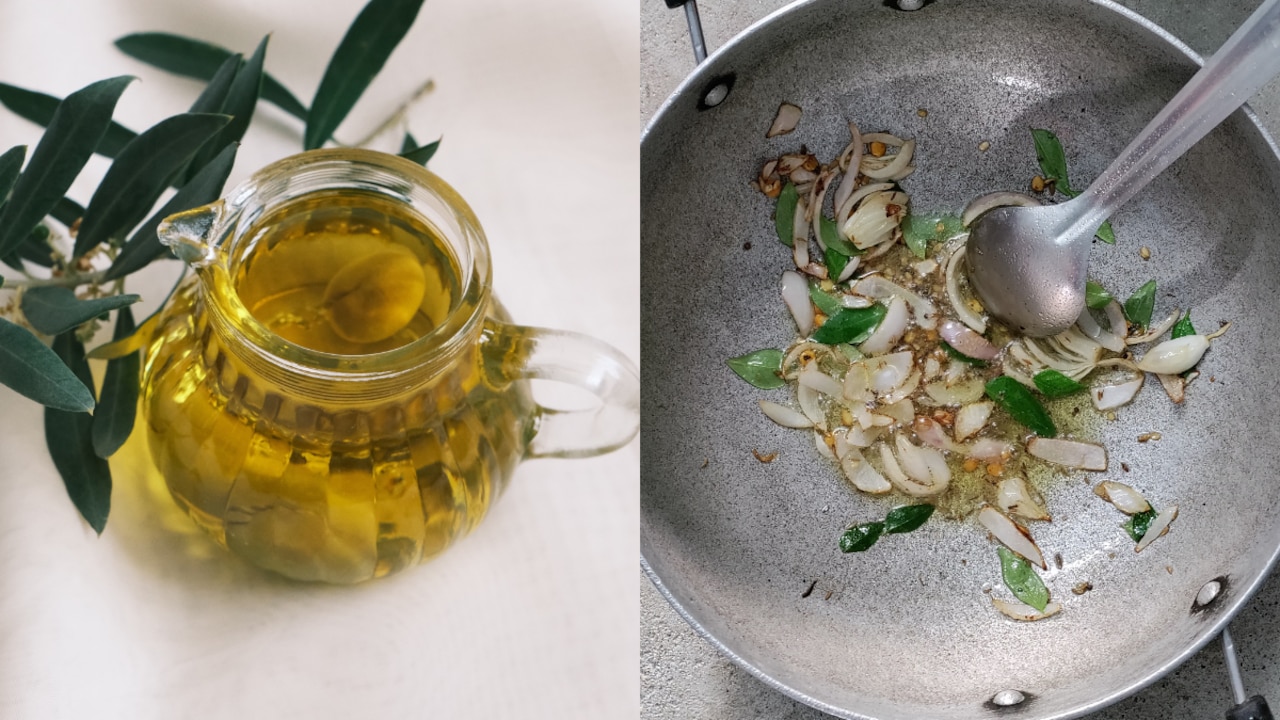
If someone told you they were frying samosas in olive oil, your first reaction would probably be shock. After all, olive oil and deep-fried snacks don't exactly seem like they belong in the same sentence. For most Indians, olive oil is the “healthy” oil that's drizzled over salads, pasta, or grilled vegetables. Samosas, pakoras, and pooris, on the other hand, are delicious comfort foods that are anything but light. But here's the surprising part: it isn't completely off-limits.
Yes, you can fry samosas in olive oil, provided you're using the right type. That's because “olive oil” isn't just one product. Different varieties are processed differently, have different flavours and, most importantly, are suited to different cooking temperatures. Knowing which one belongs in your salad bowl and which one belongs in your kadhai can make all the difference.
One of the most common misconceptions is that every bottle labelled “olive oil” should be treated the same way. Just like you wouldn't use basmati rice to make idlis or dosa batter for biryani, every type of olive oil has its own purpose. Some are made to preserve their natural flavour and aroma, while others are refined to perform better during cooking at higher temperatures.
So, Can You Really Fry Samosas In Olive Oil?
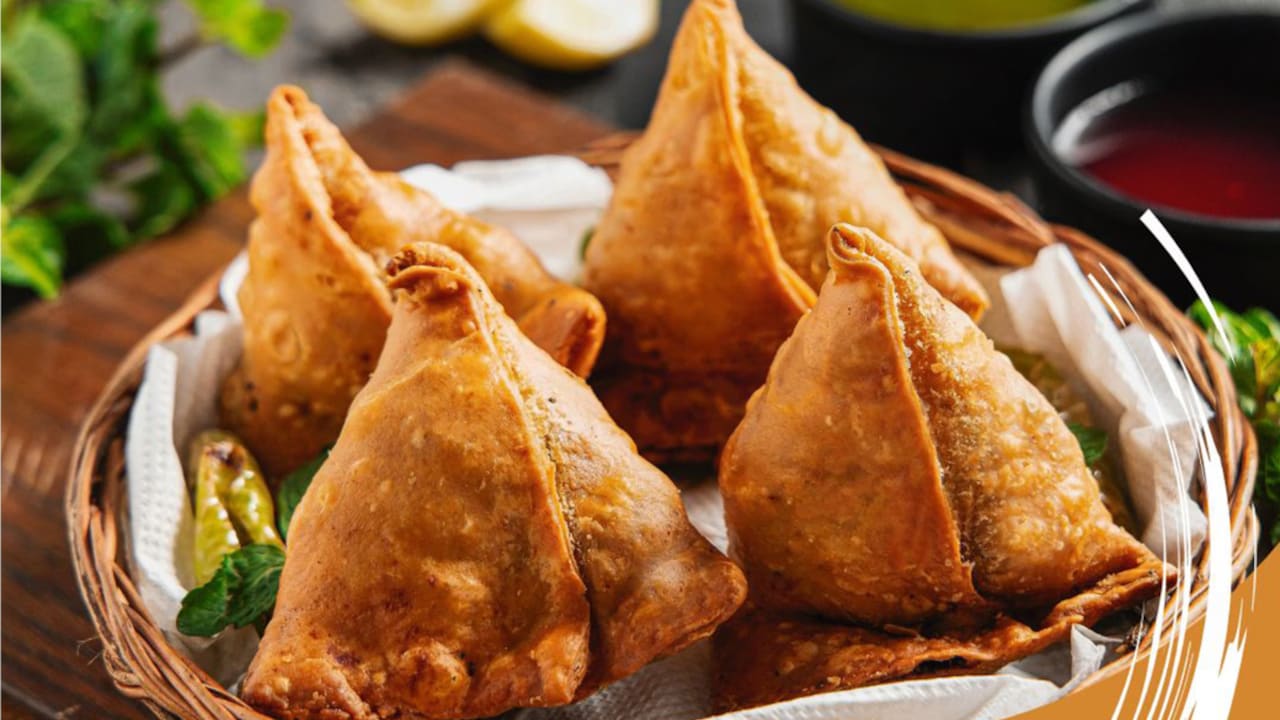
Photo: Pexels
If you're planning to deep-fry samosas, pakoras, kachoris, pooris, or even French fries, refined olive oil and olive pomace oil are generally considered suitable choices because they have higher smoke points than extra virgin olive oil. They also have a milder flavour, so they don't overpower the taste of traditional snacks. When heated to the appropriate frying temperature, these oils can produce crispy, golden results much like other commonly used cooking oils.
Also Read: Oil Splatters Every Time You Make Tadka? This Simple Salt Trick Can Help
Can Olive Oil Handle An Indian Tadka?
If your cooking starts with cumin seeds crackling in hot oil, mustard seeds popping, curry leaves sizzling, or garlic turning golden, refined olive oil can handle these everyday cooking techniques well. Whether you're making dal tadka, rajma, chole, or a simple vegetable sabzi, refined olive oil works well for cooking and tempering.
Which Olive Oil Is Best For Everyday Indian Cooking?
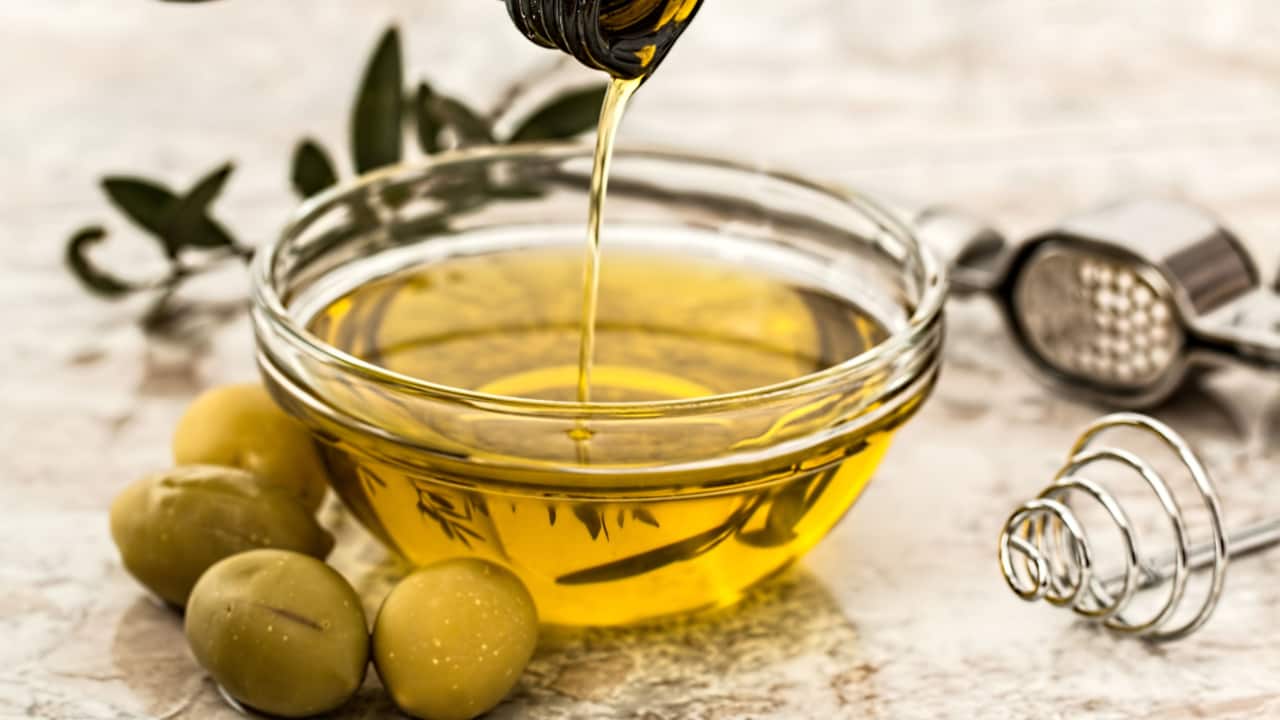
Photo: Pexels
For most Indian kitchens, refined olive oil is the most versatile option. It's suitable for cooking onions and tomatoes into a masala, preparing curries, stir-frying vegetables, making paneer dishes, roasting vegetables and shallow frying cutlets or tikkis. Its relatively neutral flavour means your dishes still taste like the Indian food you know.
Then What's Extra Virgin Olive Oil Meant For?
Extra virgin olive oil is the least processed form of olive oil. It's prized for its fruity, peppery, and slightly grassy flavour, as well as the natural compounds it retains during processing. That's why it's usually best enjoyed without prolonged high-heat cooking. It's ideal for salad dressings, dipping bread, pasta, grilled vegetables, hummus, or finishing cooked dishes. While extra virgin olive oil can be used for low-to-medium heat cooking, many cooks prefer not to deep-fry with it because its distinctive flavour gets diminished.
Also Read: What Does Football Star Lionel Messi Eat To Stay Fit At 39?
What About Olive Pomace Oil?
Olive pomace oil is made from the remaining olive paste after the first extraction, followed by refining and blending with a small amount of virgin olive oil. Because of its higher smoke point and mild taste, it's commonly used in commercial kitchens and by many home cooks for high-heat cooking, including deep frying. This is the variety most people are referring to when they say they fry Indian snacks in olive oil.