



Open Instagram or scroll through reels, and suddenly everyone is “maxxing” something. Skinmaxxing. Sleepmaxxing. And now, fibremaxxing and protein-maxxing have entered the chat. They promise better digestion, weight control, muscle gain, and overall wellness. Sounds great, right? But do you actually need to “max” your nutrients to be healthy? Let's find out!
What Is Fibremaxxing?
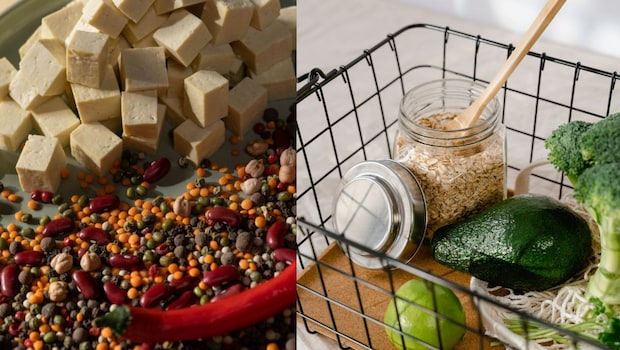
“Maxxing” basically means trying to get as much of something as possible. So when it comes to food, fibremaxxing implies consuming a lot of fibre, and proteinmaxxing means eating a lot of protein. fibremaxxing is all about loading up on fibre-rich foods, like fruits, vegetables, whole grains, seeds, and lentils. This trend exists for a good reason, because most people are not eating enough fibre.
This carbohydrate may not be glamorous, but it's responsible for keeping your gut happy. It helps digestion run smoothly and prevents constipation. It also supports heart health and helps lower bad cholesterol. With these benefits and many more, maxing on fibre certainly sounds like a great idea. However, more isn't always better. If you suddenly overload on fibre, it may lead to bloating or even constipation. According to UCLA Health, if you're not drinking enough water, fibre can actually make things worse.
Also Read: 5 Tips To Make The Perfect Gin And Tonic At Home
So yes, fibremaxxing is good. But instead of going extreme, add fibre slowly and spread it across meals. It's also important to focus on real foods and not supplements. Instead of relying on powders or gummies, include fruits, salad, and veggies in your diet.
Now, What Is Proteinmaxxing?
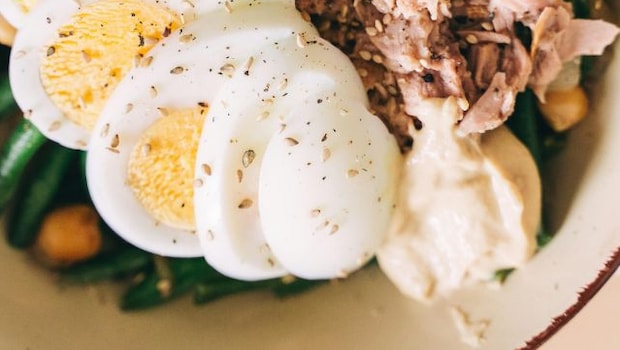
Photo: Pexels
Proteinmaxxing is about adding protein to literally EVERYTHING. From protein shakes and protein chips to protein ice cream, protein cereal, and even protein coffee. The intention behind this trend is to build muscle, stay full, and lose weight. If you're someone who works out regularly, protein becomes even more important.
Also Read: Gelatine vs Agar Agar: What's The Difference And How To Pick The Right One For Your Recipe
Just like fibre, there's also a gap in protein intake in Indians, and that's where proteinmaxxing comes in. However, pushing it too far can cause problems. According to Colorado State University, you can end up consuming extra calories or processed foods. And if you're not very active, excess protein won't magically turn into muscle. So, proteinmaxxing makes sense only if it fits your lifestyle. Incorporating whole foods, like eggs, lentils, paneer, chicken, and fish, is a good way to start.
How Much Fibre And Protein Should You Consume Every Day?
According to Medanta, the recommended daily intake of fibre is 38 grams for men and 25 grams for women. Include foods like moong sprout salad, beans, oats upma, and more in your diet to fulfil your daily needs. It's a great idea to start each meal with a portion of salad.
The Mayo Clinic Health System states that an average adult needs 0.8 gram of protein per kilogram of body weight each day. So, if you weigh 55 kgs, you should consume 44 grams of protein every day. Since the Indian diet is high in carbohydrates, it is important to purposefully include protein in the diet. Paneer bhurji, moong dal chilla, egg curry, and chicken keema are some of the best foods to keep up your protein intake. Try serving some cubes of paneer or a bowl of dal with each meal.
In the end, these trends work only when they're not extreme. Your body doesn't need extremes, it needs consistency