

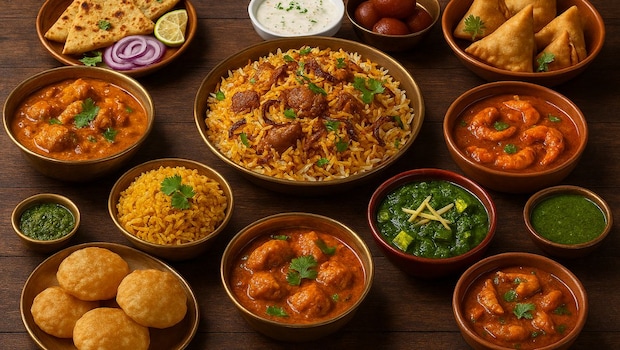
New Year's Day in India looks nothing like the global stereotype of green smoothies, detox teas and guilt-driven salads. If anything, the country wakes up on 1 January with a mood that leans heavily towards comfort, routine and food that feels familiar. It is the one day where India collectively agrees that dieting can wait, because the first meal of the year deserves warmth, nostalgia and the kind of flavour that steadies the system after all the December chaos.
Across homes and regions, there is a quiet pattern: families gather, everyone eats something that feels "right", and nobody talks about cutting calories. Indian New Year is not about restrictions. It is about resetting with food that brings comfort, culture and a little bit of good luck. Below is how India usually eats on New Year's Day, and the cultural logic behind it.
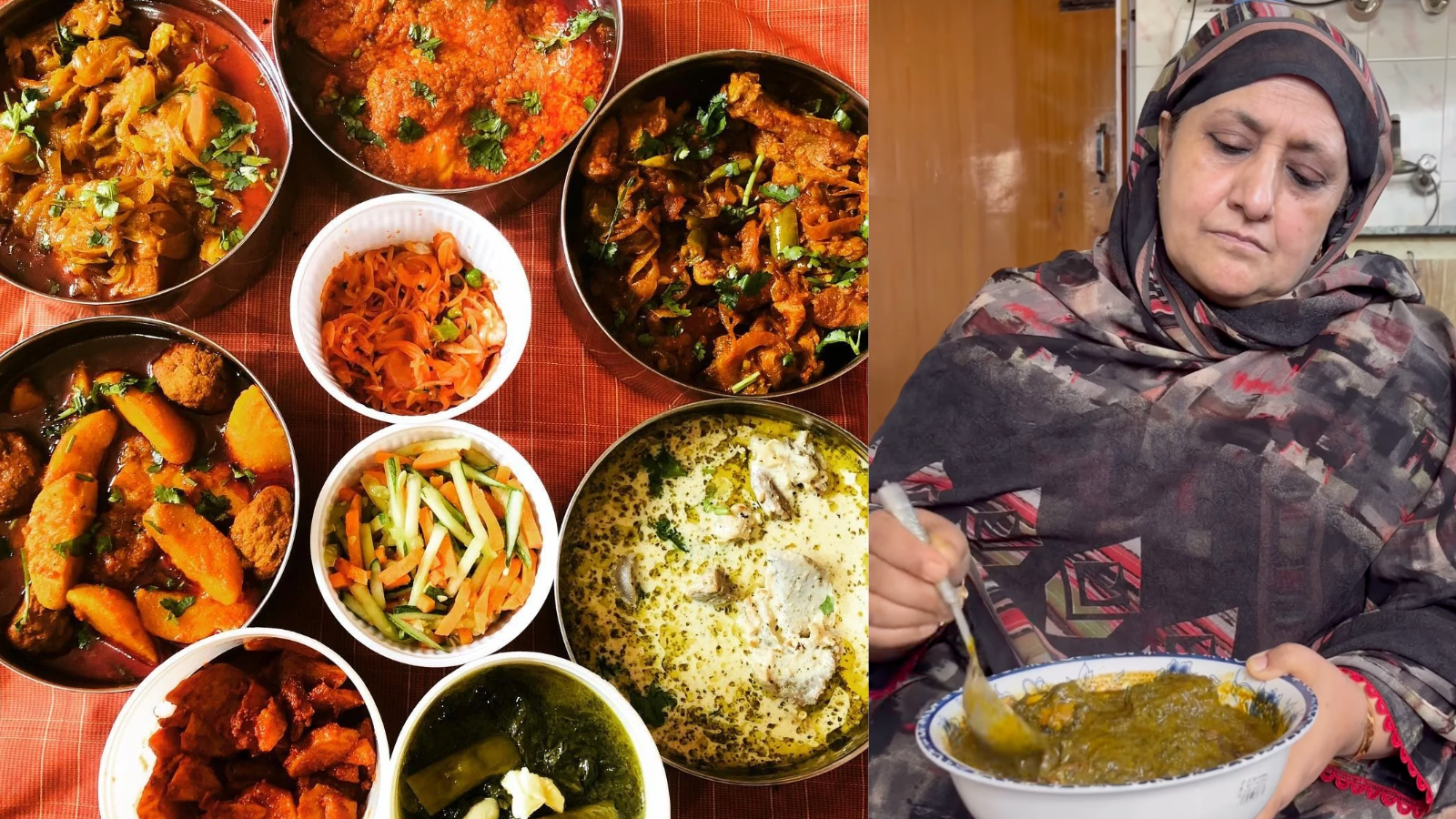
Also Read: Making Palak Saag This Winter? Don't Make These 6 Mistakes










Why Comfort Food Dominates New Year's Day In India
Most Indian households do not jump into diet plans on 1 January. Instead, they choose dishes that ease the body back into balance. Across states, comfort food makes a strong comeback:
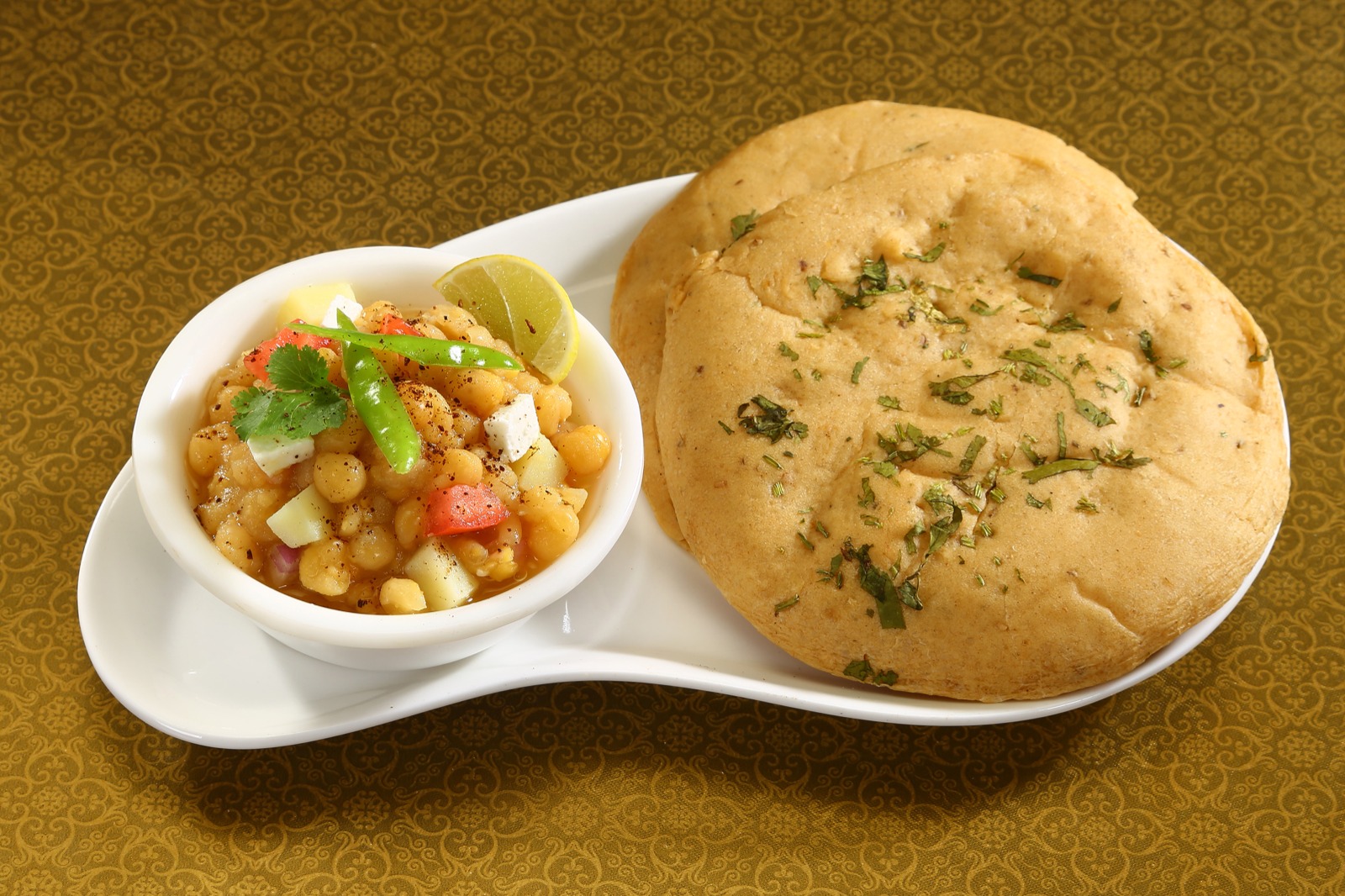
- North India leans towards parathas, chole bhature, halwa, poha or a simple dal-chawal.
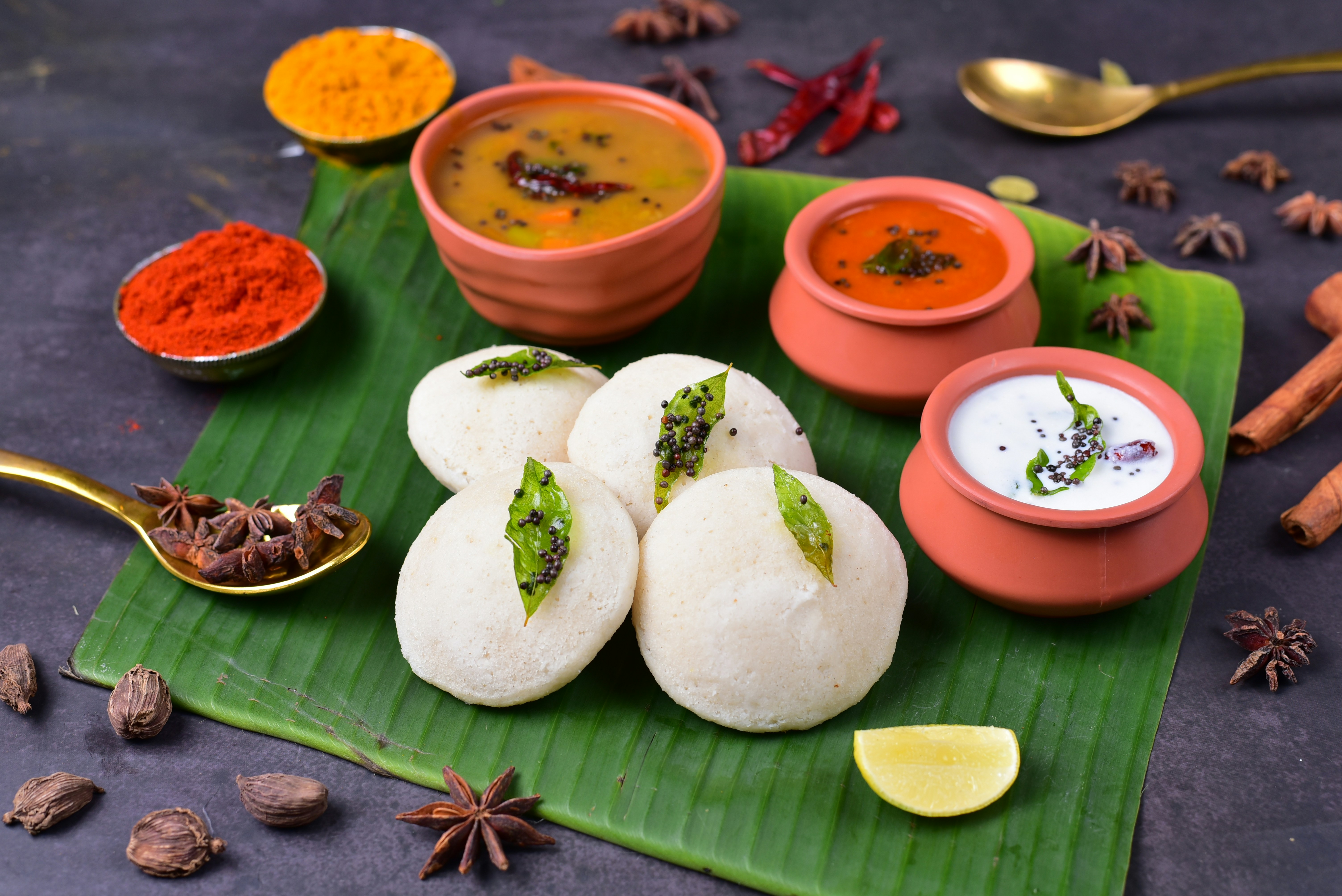
- South India turns to idli, dosa, pongal and curd rice.
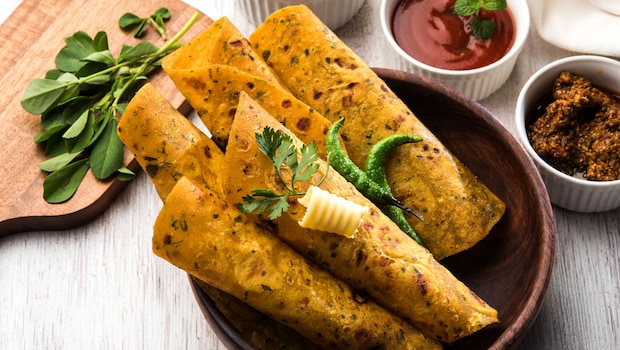
- Western India brings out theplas, undhiyu, poha and soft rotis with dal.
- The East stays loyal to luchi-aloo, pitha, dalma and khichuri.
It is instinctive and emotional. After weeks of parties and heavy meals, the body wants something that tastes like home and sits gently.
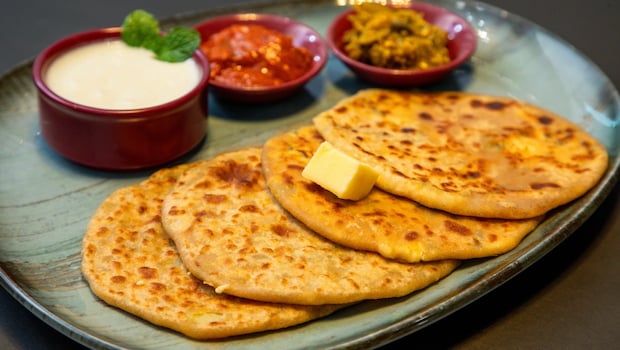
Photo Credit: iStock
Auspicious Foods And Cultural Beliefs Behind New Year Meals
In many families, the first meal of the year is chosen consciously. Some foods are believed to bring luck, ease and prosperity.
- Curd and sugar in North India symbolise a sweet start.
- Coconut and jaggery in coastal states signal an auspicious beginning.
- Rice-based dishes in the South represent abundance.
- Fish preparations in the East signify progress and movement.
So dieting on 1 January feels almost culturally inappropriate. Starting the year with bland food is considered unlucky by many households.
Why India Does Not Link Dieting With New Year Resolutions
While the West begins the year with detox culture, India treats 1 January like a pause before returning to routine. Dieting tends to start:
- After a festival
- After a family function
- On a specific weekday (Monday leads by miles)
- On Ekadashi, Purnima or other religious markers
- Or simply "from next week"
This is why 1 January rarely becomes a dieting milestone. India prefers meaningful cultural markers over date-driven resolutions.

Photo Credit: iStock
How Different Regions In India Eat On New Year's Day
Food on New Year's Day often connects people back to childhood memories. Here is what it looks like across regions:
South India
Pongal, idli and curd rice rule because they feel soothing and grounding after late-night celebrations.
North India
Parathas, poha, kadhi-chawal and hot halwa show up because they signal comfort and stability.
West India
A mix of theplas, farsan, rotis and fresh dal reflects the region's love for warm, homely food on a cold winter morning.
Eastern India
Luchi-aloo, fish, khichuri and a variety of pithas bring a sense of tradition and continuity.
Each of these meals is tied to rituals, family tables and the idea of starting the year with familiar flavours.
Also Read: Watch: Street Vendor's Viral 'Chicken Leg Piece Samosa' Divides The Internet
Why Indians Prefer Home-Cooked Meals After New Year's Eve
Another honest truth: New Year's Eve celebrations often end late. Heavy partying, late-night food and empty stomachs make most people wake up craving warmth, carbs and something gentle on the stomach. Dieting when your head hurts and your stomach feels confused is unrealistic. India listens to the body. And the body wants comfort.
Popular Indian Dishes Eaten On New Year's Day
Here are the dishes that make repeated appearances across the country on 1 January:
- Poha
- Parathas
- Curd rice
- Pongal
- Khichdi
- Dal-chawal
- Luchi and aloo
- Pitha
- Upma and idli
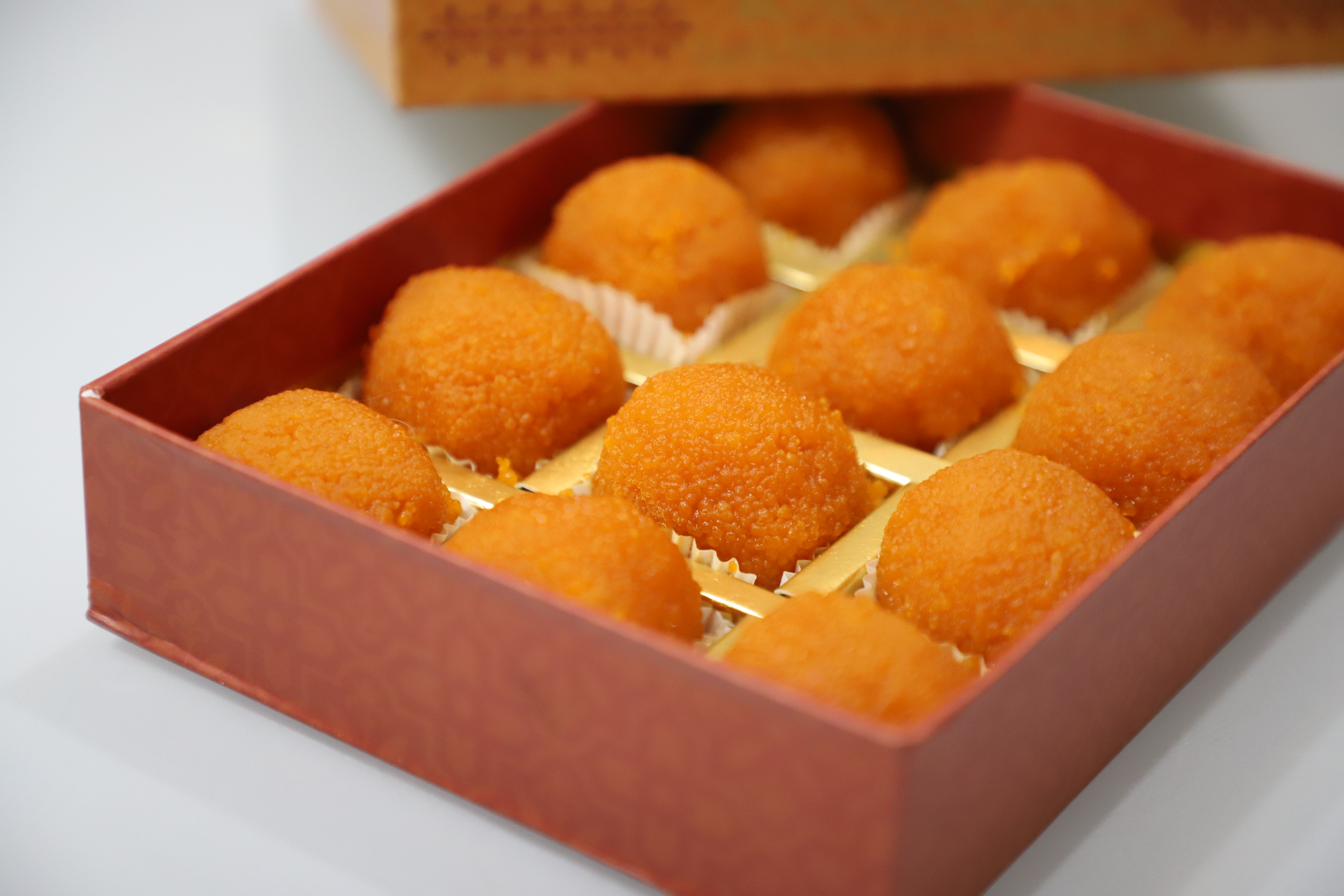
- Seasonal halwas (gajar, atta, suji)
Simple, soothing, nostalgic and perfect for a winter morning.
What New Year Eating Habits Reveal About India's Food Culture
India treats food as emotion, identity and comfort. The first day of the year is not about punishing the body. It is about treating it with familiarity, warmth and something that feels like a soft landing.
It is the perfect summary of how India eats: balanced, rooted, seasonal and always tied to memory. Dieting can come later. On New Year's Day, India eats to feel good.