







With LPG prices climbing across India, a lot of kitchens are asking the same question: what's the next best way to cook? Induction and electric cooktops are the two most popular answers, but while they may look similar, they behave very differently once you start cooking. So, which one is more suitable for your household? Let's find out.
Induction Or Electric Cooktop, Which One Is Better?
Imagine you're making chai on an electric cooktop. First, the stove will heat up, then it will heat your pan, and then finally your chai will boil. But on an induction cooktop, your pan heats up directly, thereby boiling your chai quicker. The core difference here is that an electric cooktop heats the surface before heating the utensil. On the other hand, an induction cooktop heats up the utensil directly.
In Terms Of Function And Speed, How Are They Different?

Photo: Pexels
Electric cooktops have heating coils that get hot first and then pass the heat to your utensil. Since they work with every kind of utensil, think of them as an upgrade to the regular LPG stove. Induction cooktops use magnetic energy to work, leading to heat created directly in the utensil. This method uses steel or iron cookware and offers smarter, targeted heating.
When it comes to speed, since an induction cooktop directly heats the utensil, it naturally gets the job done quicker. If you're heating water, expect it to come to a boil within 3 mins. However, electric cooktops are noticeably slower. If your mornings are usually rushed, you will find induction to be a lifesaver.
Also Read: Induction Cooking vs Infrared: What Is Similar, What Is Different
Comparing Heat Control And Electricity Usage
In terms of heat control, an induction cooktop is simply rapid. It cools down as quickly as it heats up. So, for dishes that require quick temperature control, like halwa or custard, this method is ideal. With an electric cooktop, you can expect a slower response. Even after you turn it down, it stays hot a while, making it appropriate for curries and masalas.
When it comes to electricity usage, the induction cooktop wins the points here, since it directly targets heat to the utensil, not letting it go to waste. However, an electric cooktop, similar to an LPG stove, loses some heat to the surroundings, thereby consuming comparatively more electricity. Consequently, induction turns out to be more efficient and slightly cheaper to run.
Which One Is Safer To Use And Easier To Maintain?
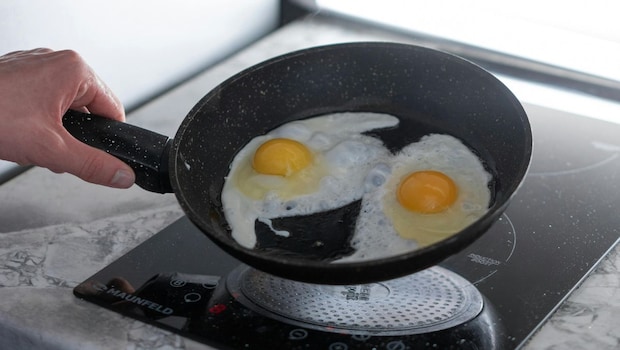
Photo: Pexels
Since induction cooktops stay relatively cool, food doesn't stick to them or even burn easily. Just wipe it clean and it's done. But if you choose an electric cooktop, food that spills will get hard and stick to the very hot surface. Naturally, keeping it clean will require regular scrubbing.
Even when it comes to safety of use, induction cooktops prove to be better. As soon as you take the utensil off it, it turns off and cools down rapidly, minimising any risks of burning yourself. Electric cooktops, on the other hand, take a while to cool down. If your hand accidentally touches the surface too soon, it could burn.
Also Read: Induction Cooker vs Electric Stove vs LPG vs PNG: Which Cooking Method Is The Cheapest?
Comparing Cookware And Cooking Feel
On electric cooktops, the regular aluminium kadhai and pans will work just fine. Hence, switching from an LPG stove to this method won't be a significant transition. Even if you're not tech-friendly, adapting to an electric cooktop is quite simple. But with induction, you will have to bear the extra cost of magnetic cookware made of steel or cast iron. Aluminium or glass cookware doesn't work with it. Cooking on induction definitely feels more modern too. At first, it may take you a few days to get used to fast cooking.
Which One Of These Is Cheaper?
With the initial cost of new cookware, an induction cooktop is the costlier option out of the two. However, you eventually end up paying less for electricity because of its rapid and targeted heating. An electric cooktop saves you a big chunk on cookware cost initially, but you end up paying more for electricity consumption.
The Final Verdict
Clearly, there are significant pros and cons to both of them. If you're someone who cooks daily and wants faster, safer, and more efficient cooking, an induction cooktop is the right choice. Go for an electric cooktop if you want a budget-friendly switch from LPG and prefer a simple, familiar experience.