




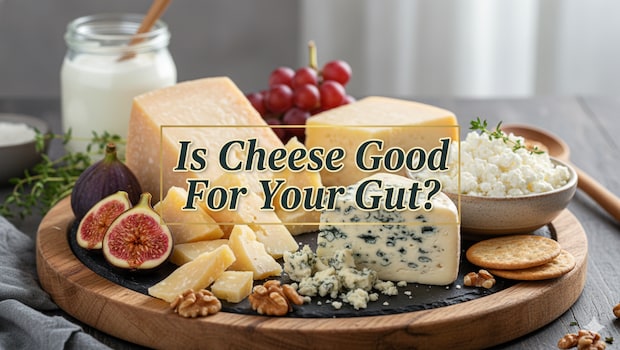
We've been trained to treat cheese like a guilty pleasure - something to be "naughty" with on pizza nights or snack platters. But what if I told you that certain cheeses are actually potent fermented foods capable of healing your gut microbiome? It sounds too good to be true, like being told chocolate is a salad, but the science backing cheese as a gut-friendly superfood is surprisingly robust. The catch? It has to be the “right” kind of cheese, eaten in the right way.
Also Read: What Happens When You Drink Chicken Soup Every Night For A Month?
If you've been blindly swallowing probiotic supplements, you might be missing out on a much tastier alternative. From ancient feta to properly aged cheddar, the dairy aisle is hiding some serious gut-health heroes. I spoke to nutrition experts and dug into the research to find out exactly how you can eat cheese to support your digestion, boost your immunity, and actually feel better, without the guilt trip.
Why Cheese Is More Than Just Fat
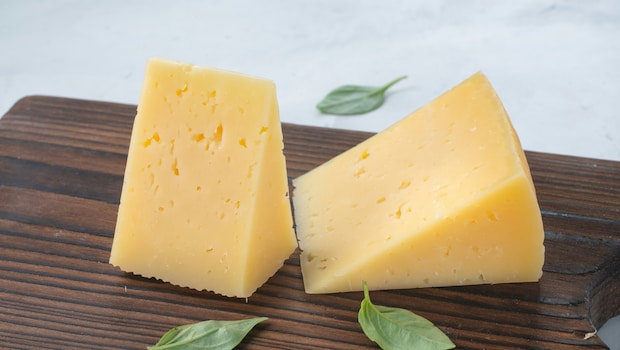
Cheese is effectively milk that has been fermented by bacteria. In many traditional cheeses, these bacteria, like Lactobacillus strains, survive the ageing process and end up on your plate. When you eat them, they can act as probiotics, populating your gut with "good" microbes that help with everything from digestion to mood regulation.
Dr. Pal, a nutrition expert, emphasises that "cheese can be a gut-friendly food when chosen wisely and eaten in moderation." The magic lies in fermentation. Just like kimchi or sauerkraut, fermented cheeses produce short-chain fatty acids (SCFAs) during digestion. These SCFAs are a crucial fuel for the cells lining your colon, helping to maintain a strong gut barrier and lower inflammation.
According to a study published in Microorganisms, fermented cheeses like feta and cheddar contain bioactive peptides and live cultures that actively support microbial diversity in your gut. Essentially, you aren't just eating fat and protein; you're eating a living food matrix that interacts with your body's internal ecosystem.
The Dietitian's Verdict - Is Cheese Healthy?
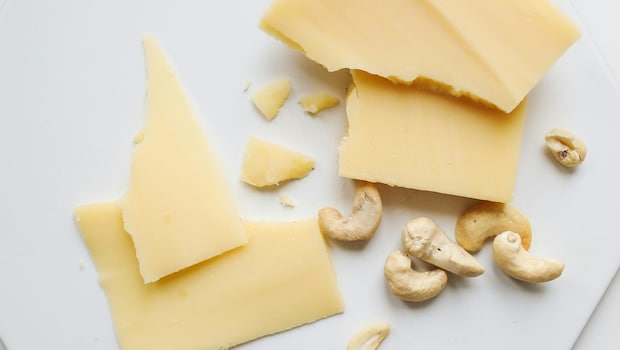
I reached out to nutrition experts to get a reality check. Is cheese actually healthy, or is this just wishful thinking?
"Many types of cheddar cheese contain live probiotic bacteria after ageing," explains Dr Wyness, a nutrition scientist. "Studies show that some not only survive the ageing of the cheese but also make it through digestion, helped by the protective 'matrix' of the cheese itself. This means cheddar can be more gut-friendly than many people realise".
However, there's a caveat. Not all cheese counts. "Not all cheese is created equal; ultra-processed varieties can be harmful," warns Dr. Pal. Those plastic-wrapped singles, cheese powders, and squeezy tubes? They are full of emulsifiers and stabilisers that can actually damage your gut lining. If you want the benefits, you have to go for the real, traditional stuff.
Here Are 3 Gut-Friendly Cheeses
If you want to eat cheese for your gut, these are the three you need to be buying. They are widely available, delicious, and backed by science.
1. Aged Cheddar
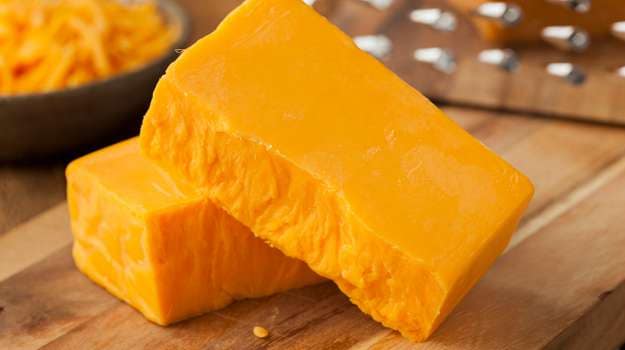
Why it works: As cheddar ages (ripens), the lactose is broken down by bacteria, making it virtually lactose-free and easier to digest. The longer it ages, the more beneficial bioactive peptides it develops.
The gut benefit: It promotes the production of butyrate, a short-chain fatty acid that keeps your colon cells healthy and fights inflammation.
Nutrition profile: High in Vitamin K2 (crucial for heart and bone health), protein, and calcium.
How to choose: Look for "sharp," "aged," or "mature" on the label. The white, crumbly crystals you sometimes see? That's a sign of good ageing.
Also Read: What Happens When You Eat One Clove of Garlic Every Night for a Month
2. Feta (The Real Kind)

Why it works: Traditionally made from sheep's or goat's milk, feta is rich in Lactobacillus plantarum, a probiotic superstar. The brine it sits in helps preserve these bacteria.
The gut benefit: Sheep and goat milk are easier for many humans to digest than cow's milk because of their protein structure. It's also anti-inflammatory.
Nutrition profile: Lower in fat than most cheeses, packed with B vitamins and calcium.
How to choose: Always buy feta in blocks stored in brine. Avoid "feta-style" crumbles that often contain anti-caking agents.
3. Parmesan (Parmigiano-Reggiano)

Photo Credit: iStock
Why it works: The King of Cheeses is strictly regulated and aged for at least 12 months. It is a prebiotic and probiotic powerhouse.
The gut benefit: It contains Lactobacillus rhamnosus and is completely lactose-free. It's incredibly dense in nutrients, so a little goes a long way.
Nutrition profile: Massive protein hit (more than meat per gram!), easily digestible fats, and zero carbs.
How to choose: Look for the "Parmigiano-Reggiano" stamp on the rind. The grated stuff in tubs is often full of wood pulp (cellulose) to stop it sticking—avoid it.
How To Eat Cheese For Maximum Benefits
Eating a block of cheddar on the sofa isn't a wellness strategy. Context matters. The Harvard School of Public Health notes that "how cheese is eaten is key." If you melt it over a burger with a white bun, the refined carbs negate the benefits. But if you pair it with fibre, you create a symbiotic meal.
The "Symbiotic" Pairing Rule
To supercharge the probiotics in cheese, pair them with prebiotics (fibre) that feed the bacteria.
- Cheddar + Apple Slices: The pectin in apples feeds the gut bacteria.
- Feta + Chickpeas: Fibre from legumes + probiotics from cheese = happy gut.
- Parmesan + Roasted Broccoli: Sulphur-rich veggies work brilliantly with fermented dairy.
3 Ways To Incorporate Gut-Friendly Cheese (With Recipes)
Here are three simple, delicious ways to get these cheeses into your diet without overdoing the calories.
Recipe 1: The "Gut-Healing" Feta & Lentil Salad
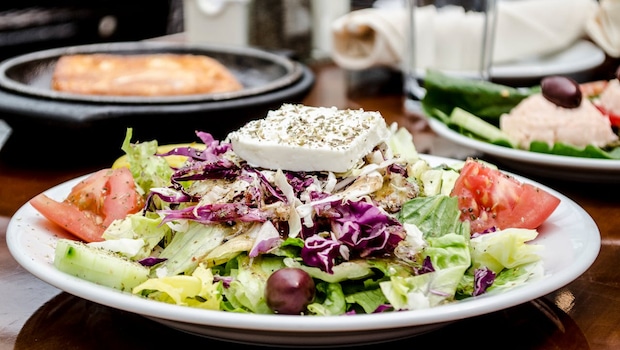
Photo Credit: Pexels
A fibre-rich lunch that hits all the probiotic notes.
Ingredients:
- 1/2 cup cooked lentils (canned is fine, rinsed)
- 50g real Greek Feta (cubed)
- 1/2 cucumber, diced
- A handful of fresh mint and parsley
- 1 tbsp extra virgin olive oil
- Lemon juice
Method:
Toss the lentils with the cucumber and herbs. Gently fold in the feta cubes (don't mash them; you want those brine cultures intact). Drizzle with olive oil and lemon. The fibre from lentils feeds the bacteria in the feta, creating a perfect gut-health loop.
Why it works: Sheep's milk feta is gentle on digestion, while lentils provide the "food" for your gut microbiome.
Recipe 2: Aged Cheddar & Apple "Power Snack"
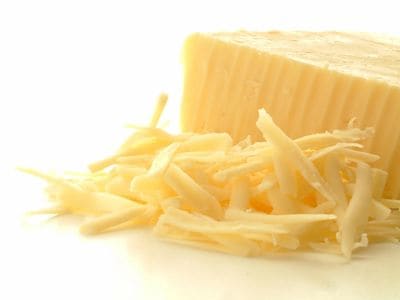
The perfect 4 pm slump breaker that stabilises blood sugar.
Ingredients:
- 30g Aged Cheddar (about the size of a matchbox)
- 1 medium Apple (sliced)
- 5-6 Walnuts
Method:
Slice the cheese and eat it alongside the apple and walnuts.
Why it works: The protein in the cheese prevents the sugar spike from the apple. The walnuts add Omega-3s. It's a complete, balanced mini-meal that supports satiety and digestion.
Also Read: 12 Make-Ahead Breakfasts To Save Your Early Mornings
Recipe 3: Parmesan & Roasted Asparagus
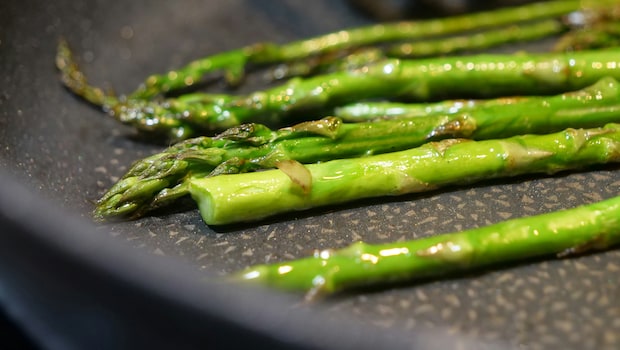
A prebiotic side dish that tastes indulgent.
Ingredients:
- 1 bunch of asparagus (woody ends snapped off)
- 2 tbsp freshly grated Parmigiano-Reggiano
- 1 tsp olive oil
- Black pepper
Method:
Roast the asparagus with olive oil at 200°C for 10 minutes. Remove from the oven and immediately grate the fresh Parmesan over the hot spears. The heat will slightly melt the cheese without destroying all the bioactive peptides.
Why it works: Asparagus is a top-tier prebiotic vegetable (contains inulin). Parmesan adds umami and probiotics without heavy fats.
The Cheese Paradox
Cheese is a paradox. It's high in saturated fat and salt, yet populations that eat the most of it (like the French and Greeks) often have lower rates of heart disease and better gut health than Indians. The secret isn't avoiding cheese; it's respecting it. Treat cheese as a nutrient-dense fermented superfood—a garnish, a flavour booster, a probiotic supplement, rather than a main course.
Choose traditional blocks over processed slices. Pair it with plants. Savour the strong flavours of aged varieties so you feel satisfied with less. If you do this, cheese isn't just "allowed" on a healthy diet; it's actually one of the most delicious tools you have for building a resilient, happy gut. So go ahead, order the cheese board—just make sure there are some grapes and walnuts on it too.