


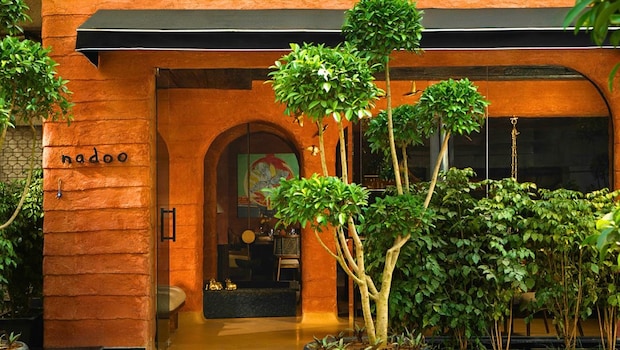
Delhi has never had a shortage of South Indian restaurants. We have all grown up with the comfort of a crisp dosa, a reliable idli-sambar combo, and the occasional weekend filter coffee run. But every now and then, a place arrives that reminds you how casually we flatten an entire cuisine into three or four familiar dishes.
That was my first thought when I walked into Nadoo in GK 3.
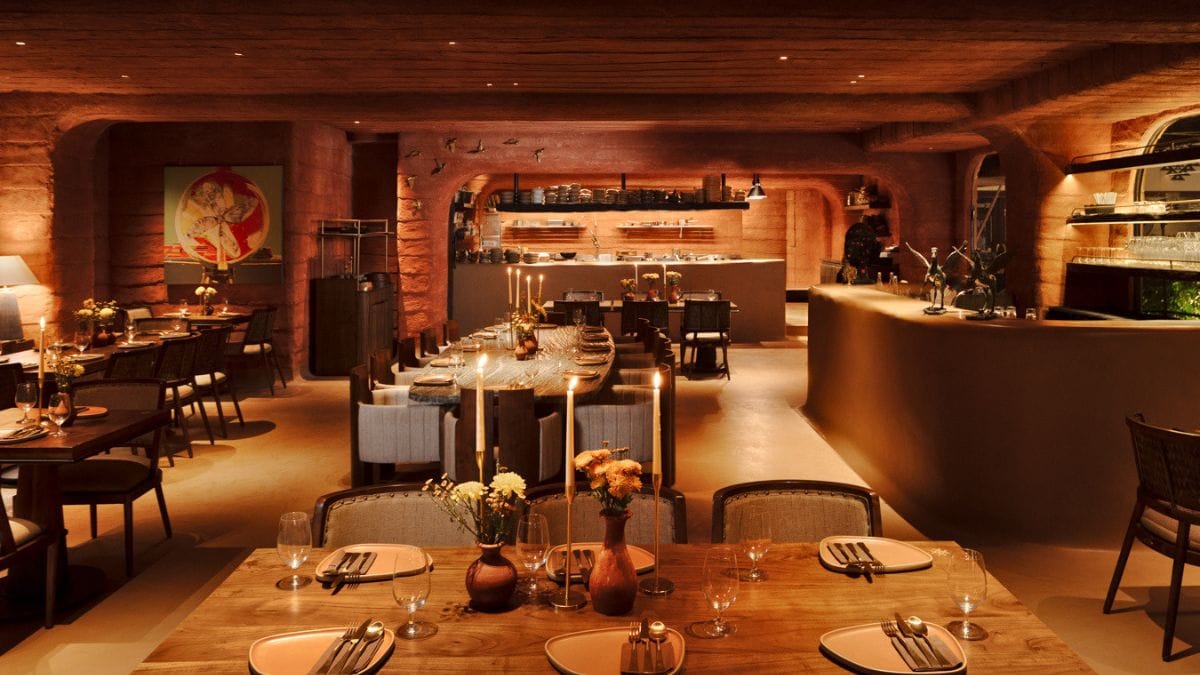
This is not a dosa house. It is not trying to be one either. Nadoo feels like a restaurant built by people who have something to say, and know exactly how to say it. The result is one of the most interesting new openings in Delhi right now, especially if you care about food with memory, precision, and a point of view.
First Impressions: The South, Reimagined Without Clichés
Before the food even arrived, the room did some talking.
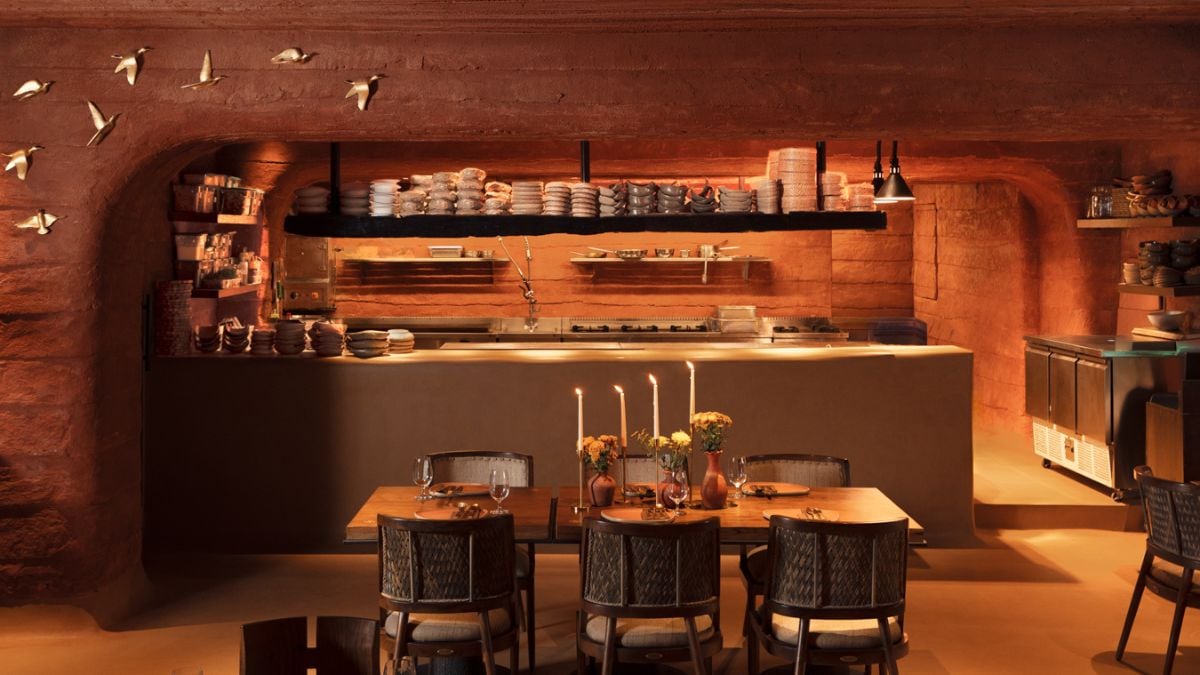
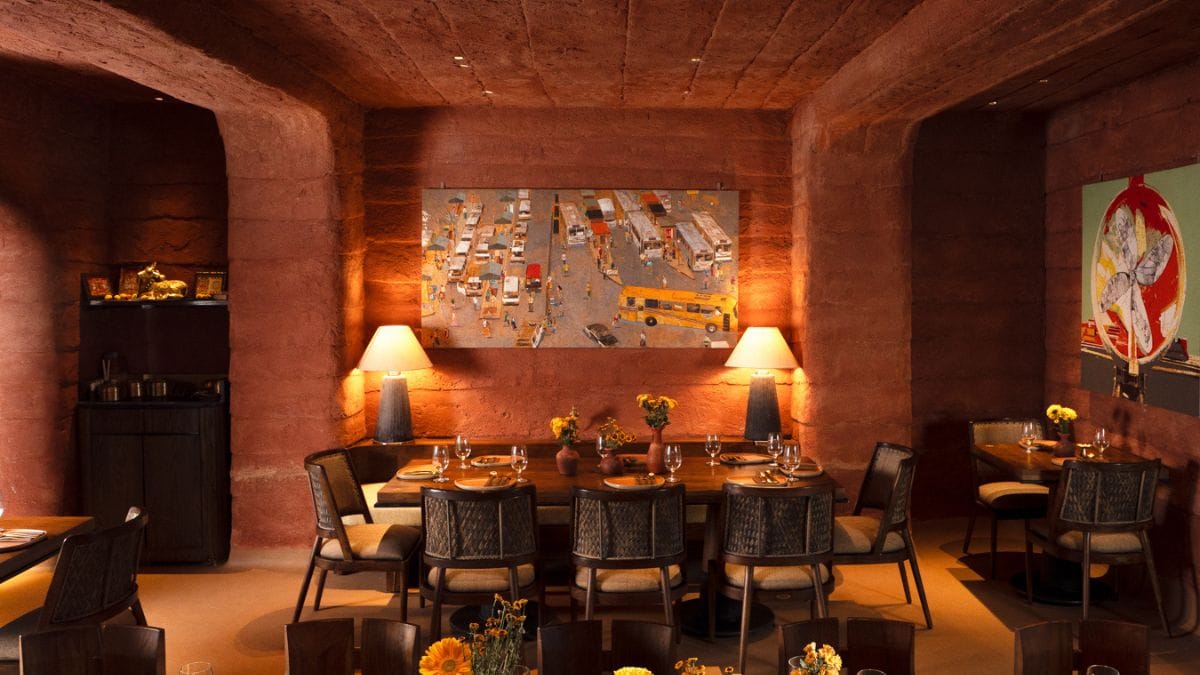
Too many theme-led restaurants mistake excess for atmosphere. Nadoo takes the smarter route. The interiors are layered with raw stone textures, oxidised finishes, brass accents, aged copper, and earthy rust tones that feel warm rather than staged. The lighting is low and flattering, the kind that makes everyone look like they have had eight hours of sleep.
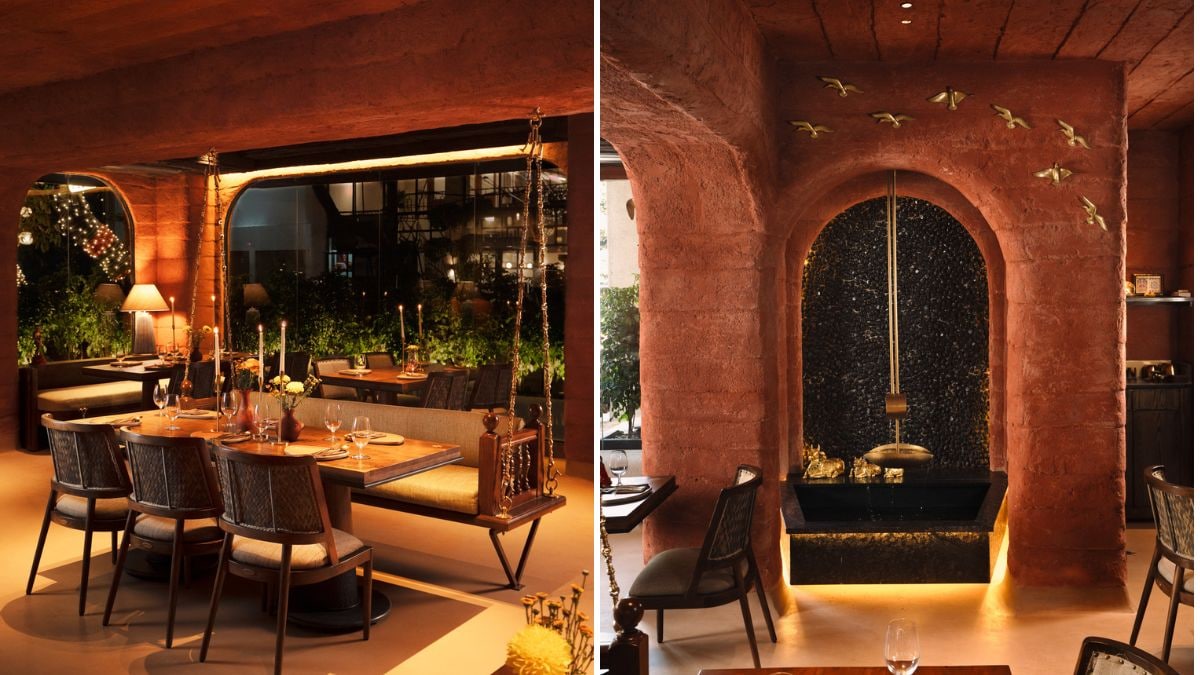
There are art pieces and sculptural touches woven through the space, including subtle nods to heritage, but nothing feels museum-like or heavy-handed. Instead, the room feels modern, thoughtful and lived-in. It is the kind of place where you could come for a long dinner, a celebratory lunch, or simply sit with coffee and conversation.
And in Delhi, where many restaurants scream for attention, that restraint feels luxurious.
The Story Behind Nadoo Matters
Some restaurants are built around trends. This one is built around people.
Chef Shri Bala, among India's most respected chefs, has moved from Chennai to Delhi to bring a deeper, broader expression of Southern Indian cuisine to the capital. That alone is noteworthy. Delhi diners often receive edited versions of regional cuisines. Here, the original voice seems intact.
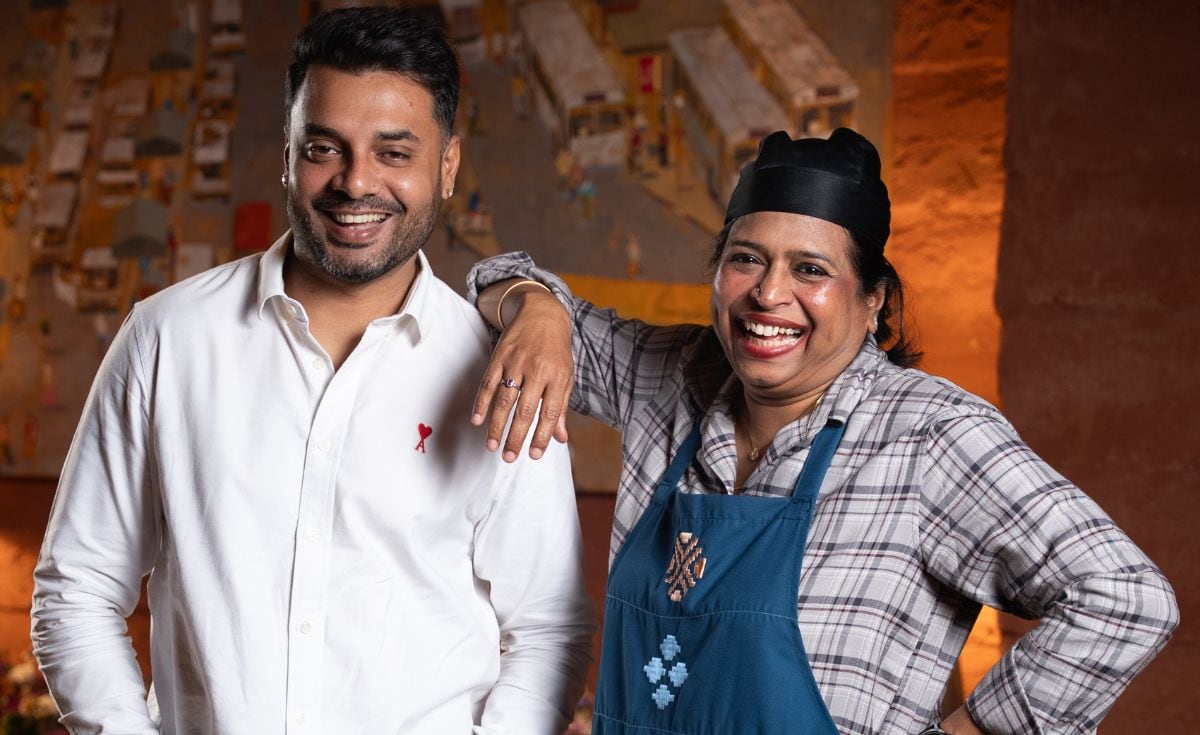
Then there is restaurateur Sahil Sambhi, for whom Nadoo is deeply personal as well. Several dishes on the menu draw inspiration from what his mother cooked for him growing up. That detail stayed with me through the meal because it explains why the restaurant feels emotional without ever becoming sentimental.
Food made from memory often tastes different. It carries intent.
What I Ordered: Far Beyond The Familiar Favourites
The smartest thing Nadoo does is refuse to reduce the South to shorthand. The menu spans Tamil Nadu, Kerala, Karnataka, Andhra Pradesh and Telangana, which means flavour profiles shift dramatically depending on what you order. Heat levels rise and fall. Coconut appears in one dish, black pepper takes charge in another. Tamarind sharpens some plates while slow-roasted spices round out others.
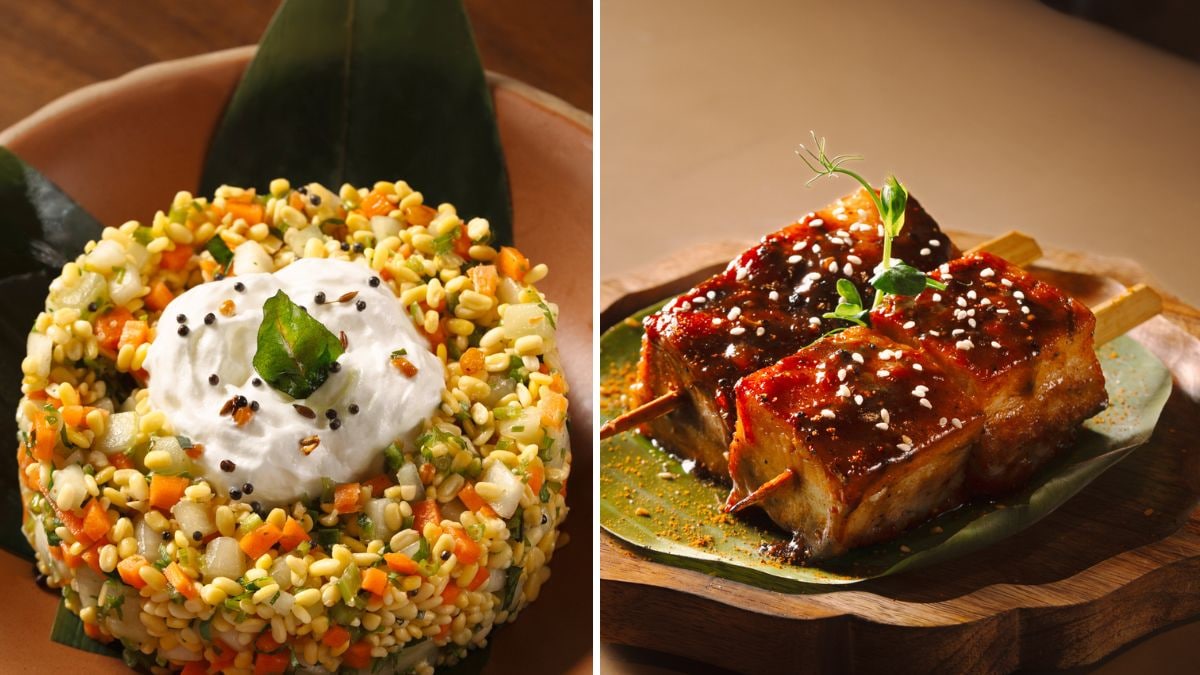
I began with the Cucumber Kosambari, which brought instant balance to the table. Crunchy with lentils and chopped vegetables, finished with a cooling spoonful of yoghurt, it felt bright, clean and quietly addictive. The kind of dish that resets your palate without trying too hard.
Then came the Spicy Pepper Prawn Thokku, and the mood changed quickly. The prawns arrived coated in a glossy red masala that looked every bit as bold as it tasted, with pepper-led heat and enough sharpness to keep you going back for another bite.
For something richer, the Virajapete Pork Belly was hard to ignore. Glazed, sticky and beautifully caramelised at the edges, it had the sort of slow-cooked depth that makes conversation pause for a moment. This was one of the most memorable plates of the meal.
Rice dishes can often become side characters, but not here. The Bengaluru Military Donne came fragrant and vivid, its herb-green rice topped with a soft egg and tender meat. Comforting, hearty and full of character, it felt like the kind of dish people crave repeatedly.
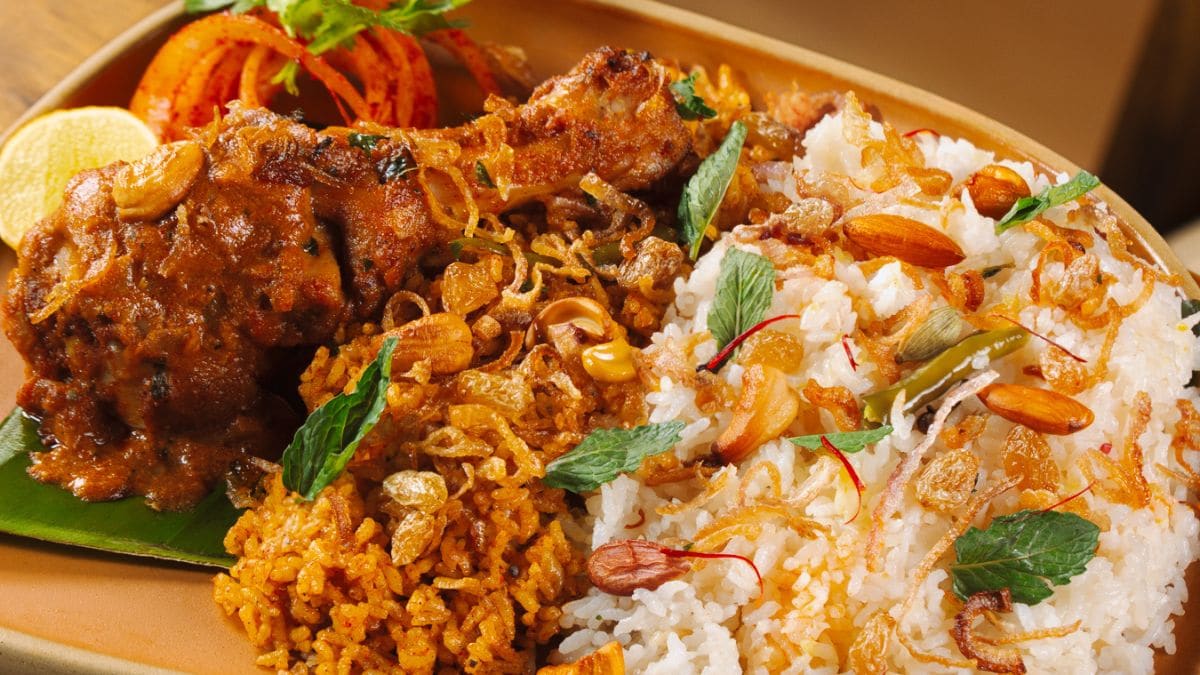
The Thalassery-style biryani made a strong final impression. Served generously with fragrant rice, fried onions, nuts and masala-coated chicken, it carried that celebratory feel great biryanis often do. Every spoonful offered something different, from sweetness and crunch to warmth and spice.
I also appreciated how the menu does not play safe. Alongside familiar comforts are dishes such as Gutti Venkaya Koora, the fiery Andhra Mirapakayi Kodi, and regional classics that rarely get this kind of spotlight in Delhi. That range is what makes eating at Nadoo interesting. You are not just ordering dinner, you are ordering stories, memories and geography on a plate.
The Kaapi Bar Is Worth Staying Back For
If you grew up around South Indians, you know filter coffee is never just coffee. It is timing, sound, aroma, routine, family choreography. Nadoo understands that, which is why it has created a dedicated Kaapi Bar.
I ordered one cup expecting a nice ending to the meal. Instead, it became one of the meal's highlights. Brewed traditionally, the coffee had body, caramel depth and that unmistakable roasted warmth that no rushed machine-made version can mimic.
There are playful variations too, including jaggery-led options and iced versions inspired by childhood memories. But even the classic cup felt complete enough for me.
If I lived nearby, I would return just for this.
Why Nadoo Works In Delhi
Delhi diners are sharp now. We have seen enough style-over-substance openings to recognise when a concept looks better on paper than on the plate. Nadoo feels different from the moment you sit down. It has substance, culinary intelligence and emotional clarity. Most importantly, it treats South Indian food as expansive and sophisticated rather than convenient and familiar.
That should not feel radical, but in this city, it still does.
Final Verdict
Nadoo brings something Delhi often misses: a South Indian restaurant that goes beyond the expected and does it well. The cooking is thoughtful, the room has warmth, and the experience feels complete. It is the kind of place you recommend easily and revisit willingly.
I left full, caffeinated, and already planning what I would order next time.
And that, in restaurant criticism, is usually the clearest compliment of all.
About Shubham BhatnagarYou can often find Shubham at a small authentic Chinese or Italian restaurant sampling exotic foods and sipping a glass of wine, but he will wolf down a plate of piping hot samosas with equal gusto. However, his love for homemade food trumps all.