



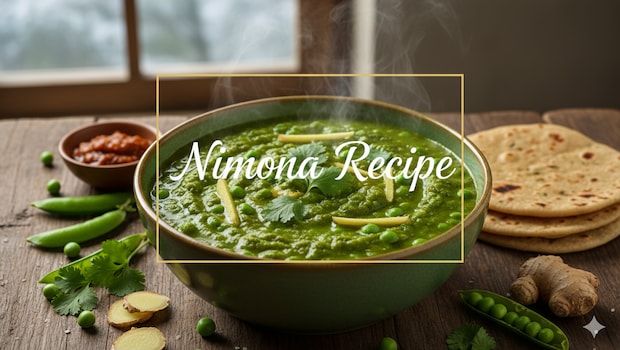
If winter had a flavour in the Gangetic plains, it would taste like Nimona. This thick, slow-cooked pea stew is what happens when fresh green peas arrive in abundance and an entire region agrees that they deserve more than a quick stir-fry or a basic sabzi. Nimona is cooked across Uttar Pradesh, Bihar, and parts of Madhya Pradesh during the winter months, when peas are at their sweetest and most tender. Made by grinding fresh peas and cooking them patiently with mustard oil, spices, and often potatoes and dal wadis, Nimona is hearty, warming, and deeply comforting. It is not festive food or restaurant food. It is everyday winter cooking that has quietly fed generations.
In many homes, Nimona signals the true arrival of winter. It is cooked when the markets are full of green peas, when the air turns sharp, and when meals need to do more than just fill the stomach. Nimona is filling, nourishing, and unapologetically rustic. It does not try to impress. It simply does what good regional food always does: use what is fresh, cook it well, and let time do the rest.
What Is Nimona And Why It Is A Winter Staple

At its core, Nimona is a winter stew made primarily from fresh green peas that are coarsely ground and cooked until they break down into a thick, creamy base. Unlike gravies that rely on tomatoes or cream, Nimona gets its body entirely from peas and slow cooking. Mustard oil or ghee forms the fat base, while cumin, asafoetida, turmeric, coriander, and chillies provide warmth rather than heat.
Winter is essential to Nimona. Fresh peas are available only for a short window, usually between November and February, and Nimona is a way of making the most of this season. The dish is filling, high in plant protein, and designed to keep the body warm, which makes it perfectly suited to cold North Indian winters.
The Cultural Roots Of Nimona In The Gangetic Plains
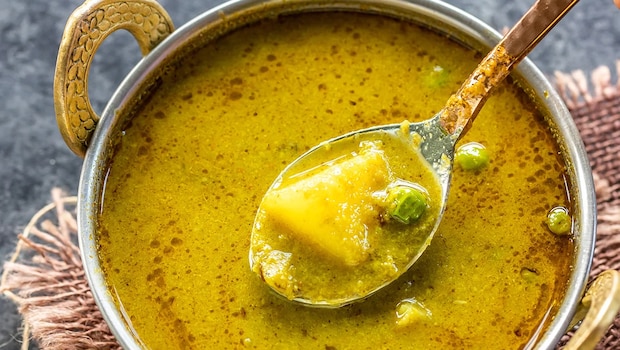
Nimona comes from the fertile Gangetic plains, where winter produce has always shaped the local diet. Families traditionally cooked with what was available fresh and in abundance, and peas became the star ingredient of the season. Over time, grinding peas and cooking them slowly with spices became a recognised winter ritual.
What makes Nimona culturally significant is not just the recipe, but how deeply personal it is. Every household has its own version. Some cook it thick, almost like dal. Others keep it looser, closer to a curry. Some insist tomatoes should never be added. Others quietly add them anyway. In Benaras and other satvik households, onion and garlic are avoided altogether. In Kayastha homes, a robust onion-garlic-ginger base is non-negotiable. There is no single correct recipe, only inherited methods.
Also Read: This 20-Minute Besan Laddoo Recipe Tastes Just Like The Traditional One
For many women from the region, learning to make Nimona is seen as a rite of passage. It requires patience, judgement, and an understanding of how ingredients behave over time. It is not difficult, but it cannot be rushed.
Why Nimona Is All About Technique
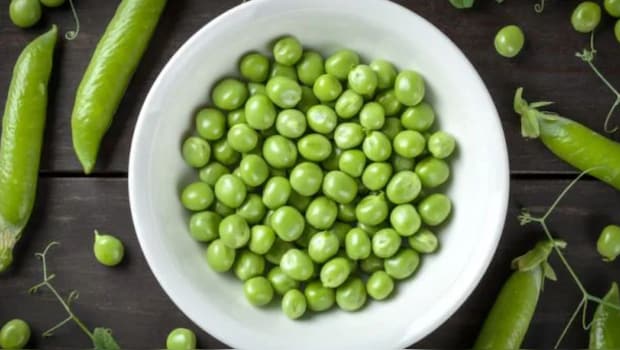
Nimona is a lesson in Indian cooking philosophy. Simple ingredients, handled carefully, create depth and complexity.
- Fresh peas are ground coarsely, not finely, so the stew has texture.
- Mustard oil is heated until it smokes, mellowing its sharpness.
- Spices are added in stages, allowing flavours to build slowly.
- The dish is cooked until the oil separates, a sign that the peas are properly cooked and the flavours have matured.
This attention to process is what transforms peas into something far richer than they appear at the start.
Nimona Recipe
- Serves: 4
- Prep Time: 20 minutes
- Cook Time: 35 to 40 minutes
- Total Time: About 1 hour
This is the classic version made in many homes across Uttar Pradesh, using onion, garlic, and ginger.
Ingredients
For the base:
- Fresh green peas, shelled – 2½ cups
- Medium potatoes – 2, cubed
- Mustard oil – ¼ cup
- Ghee – 1 tbsp, for finishing
For the green masala:
- Large onions – 2, roughly chopped
- Garlic cloves – 4 to 5
- Ginger – 1½ inch piece
- Green chillies – 2 to 3
- Fresh coriander – small handful
For tempering and spices:
- Cumin seeds – 1 tsp
- Dried red chillies – 2 to 3
- Asafoetida – ¼ tsp
- Turmeric powder – ½ tsp
- Coriander powder – 1½ tsp
- Red chilli powder – ¾ tsp
- Garam masala powder – ½ tsp
- Salt – to taste
Extras:
- Dal wadis – 4 to 5, fried separately
- Water – as needed
- Lemon juice – 1 tbsp, optional
Also Read: Jeera vs Ajwain: Which Spice Is Better For Your Digestive Health
Method
1. Prepare the green masala
Grind onions, garlic, ginger, green chillies, and coriander into a coarse paste without adding excess water. Set aside.
2. Grind the peas
Grind the fresh peas coarsely, leaving some pieces intact. This texture is essential to Nimona.
3. Fry the potatoes and wadis
Heat 1 tbsp mustard oil in a separate pan. Fry the potato cubes until golden. Remove and set aside. In the same oil, lightly fry the dal wadis until crisp. Set aside.
4. Heat the mustard oil
In a heavy-bottomed pan or kadai, heat the remaining mustard oil until it begins to smoke. Turn off the heat and let it cool slightly.
5. Temper the oil
Return the pan to medium heat. Add cumin seeds and let them crackle. Add dried red chillies and asafoetida.
6. Cook the masala
Add the ground onion masala and cook for 2 to 3 minutes, stirring continuously. Add turmeric, coriander powder, and red chilli powder, splashing water as needed to prevent burning.
7. Add the peas
Add the ground peas and mix well. Cook on medium heat for 8 to 10 minutes, stirring occasionally.
8. Cook until the oil separates
Continue cooking until the oil begins to float on top. This usually takes 15 to 20 minutes and indicates the Nimona is properly cooked.
9. Finish the stew
Add water to reach a stew-like consistency. Add fried potatoes and wadis. Simmer on low heat for 10 to 15 minutes.
10. Final touches
Adjust salt, add garam masala, drizzle ghee, and add lemon juice if using. Rest for 5 minutes before serving.
Key Techniques That Make Nimona Taste Right
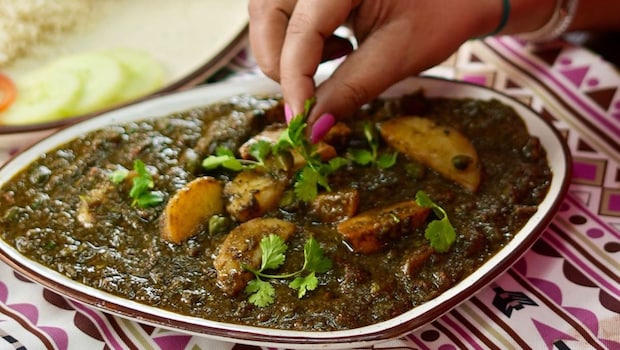
- Coarse grinding of peas prevents a gluey texture and keeps the stew rustic.
- Oil separation is the clearest sign that the dish is cooked properly.
- Layered spice cooking builds depth without overpowering the peas.
- Late addition of wadis ensures contrast between creamy stew and crisp bites.
Regional Variation: The Benarasi Version
The Benarasi Nimona follows satvik cooking principles and avoids onion, garlic, and ginger.
How it differs:
- Cooked entirely in ghee
- Flavoured with cumin and asafoetida
- Lighter, subtler, but deeply aromatic
How to make it:
Skip the green masala. Heat ghee, temper with cumin, asafoetida, and dried red chillies, then add ground peas and follow the same cooking method.
Both versions are equally authentic.
How To Serve Nimona
- With steamed rice for a classic winter meal
- With thick whole wheat rotis
- With ajwain parathas for added warmth
- With pooris for festive winter lunches
- Served with sliced onions to cut through richness
Also Read: This Gud Panjiri Recipe Did The Job Long Before Winter Supplements Existed
Storage And Reheating
Nimona keeps well in the refrigerator for 3 to 4 days. Reheat gently on the stovetop with a splash of water. The flavour deepens by the next day.
Nimona is winter cooking in its most honest form. It is not showy or complicated, but it demands care and patience. Every family makes it a little differently, and that is exactly the point. Nimona carries the memory of winter markets, slow afternoons, and kitchens where time mattered as much as ingredients. Cook it once, and you will understand why this humble pea stew has endured for generations.