

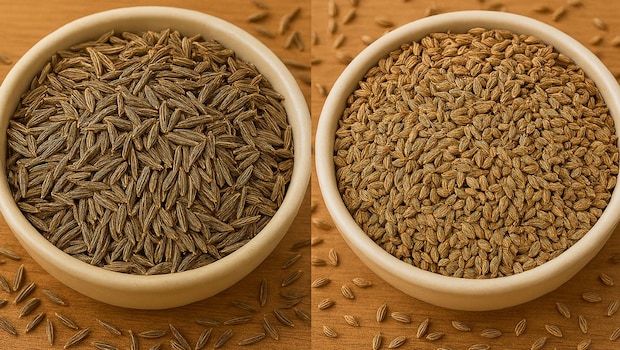
When it comes to natural remedies for digestive health, Indian kitchens are treasure troves of powerful ingredients. Among them, jeera (cumin seeds) and ajwain (carom seeds) stand out as two of the most trusted spices for easing stomach discomfort. Both have been used for centuries in traditional medicine and culinary practices, offering relief from bloating, acidity, and indigestion. But which one truly deserves the crown for better digestion? To find out, let us explore their individual benefits and see what science has to say. By the end of this article, you will know which spice to reach for the next time your stomach feels uneasy.
Also Read: 7 Myths Around Jeera (Cumin) Water That Could Be Sabotaging Your Health Goals










Health Benefits Of Jeera (Cumin Seeds)
1. Improves Digestion Naturally
Jeera stimulates the secretion of digestive enzymes, which helps break down food efficiently. According to a study published in the Journal of Food Science and Technology, cumin enhances bile production, aiding fat digestion and nutrient absorption.
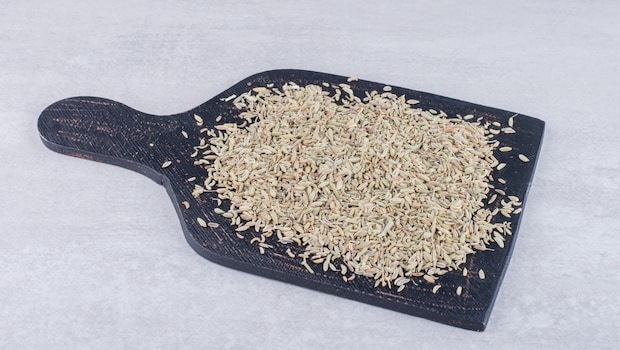
Photo Credit: Freepik
2. Reduces Bloating And Gas
Cumin seeds have carminative properties that prevent the formation of excess gas in the intestines. Regular consumption can ease discomfort caused by bloating and flatulence, making it a go-to remedy after heavy meals.
3. Rich In Antioxidants
Jeera is packed with antioxidants that protect the gut lining from oxidative stress. These compounds also support overall gut health by reducing inflammation and promoting a healthy microbiome. This means your digestive system stays balanced and functions smoothly, day after day.
4. Helps In Acid Reflux Management
Cumin seeds are alkaline in nature, which helps neutralise stomach acids. This makes them effective in reducing acidity and preventing acid reflux, a common digestive issue. By keeping your stomach environment balanced, they also support smoother digestion overall.

Photo Credit: Canva
Health Benefits Of Ajwain (Carom Seeds)
1. Powerful Digestive Aid
Ajwain contains thymol, a compound that stimulates gastric juice secretion, speeding up digestion. Research in Pharmacognosy Reviews highlights its role in relieving indigestion and improving gut motility.
2. Relieves Acidity And Heartburn
Ajwain is highly effective in reducing hyperacidity. Its alkaline nature helps balance stomach pH, providing quick relief from heartburn and acid reflux symptoms. It also aids in improving overall digestion, making your stomach feel light and comfortable.
3. Combats Flatulence And Colic
Ajwain's strong carminative properties make it ideal for reducing gas and abdominal discomfort. It is often recommended for infants and adults alike to ease colic and bloating. According to a study published in the Journal of Ethnopharmacology, ajwain extract significantly reduced food retention time in the digestive tract.
4. Antimicrobial And Anti-inflammatory Properties
Ajwain seeds have natural antimicrobial compounds that protect the digestive tract from harmful bacteria. They also reduce inflammation, which can improve overall gut health. This dual action not only keeps infections at bay but also promotes a healthier environment for nutrient absorption.
Also Read: Can Overnight Soaked Ajwain Water Help With Weight Loss
Which Is Better For Digestion: Jeera Or Ajwain?
Both jeera and ajwain are excellent for digestive health, but ajwain has a slight edge when it comes to quick relief from indigestion and acidity. Its thymol content works faster to stimulate digestive enzymes and ease discomfort. Jeera, on the other hand, is better for long-term gut health and nutrient absorption. Ajwain acts like an instant fix for bloating and acidity, while jeera supports overall digestive strength over time. For best results, include both in your daily diet as they complement each other perfectly!
Whether you choose jeera or ajwain, these humble spices can transform your digestive health naturally. Keep them handy in your kitchen and let nature take care of your gut.