






Salt is one of the most basic ingredients in our kitchens, but did you know that not all salts are created equal? From the familiar table salt to exotic Himalayan pink and kala namak, each variety brings its own benefits and drawbacks. Expert nutritionist Lovneet Batra recently took to her Instagram to share why your choice of salt matters more than you think. She explains how the right salt can support thyroid health, aid digestion and even add trace minerals to your diet. If you've always thought salt is just salt, it's time to rethink that. Here's what you need to know before your next sprinkle.
Also Read: Salt Isn't Just A Seasoning: 9 Brilliant Ways To Use It In Your Daily Cooking
Here's A Quick Guide To Different Salts To Help You Make Smarter Choices:
1. Table Salt
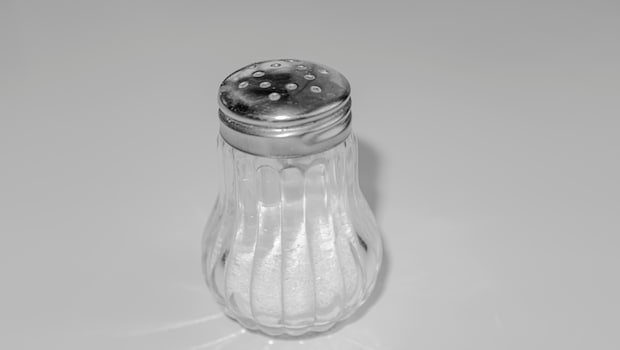
Table salt is the most common seasoning in our kitchens, but it's also the most processed. Lovneet Batra emphasises its importance for those at risk of iodine deficiency, as it supports thyroid health, a vital function for overall metabolism. However, this convenience comes at a cost: it's stripped of natural minerals and often mixed with anti-caking additives. So, while essential, it's best not to rely on it exclusively for mineral intake.
2. Himalayan Pink Salt
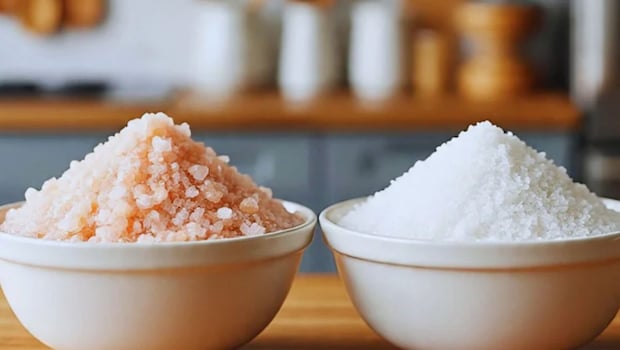
Himalayan pink salt, with its beautiful rosy hue, is naturally mined and celebrated for its purity. It's a good choice for those looking to add trace minerals like magnesium, calcium and potassium to their diet, even if only in small amounts. Lovneet Batra suggests using it to enhance flavour and variety, but cautions that it lacks iodine, it shouldn't completely replace your regular table salt.
3. Kala Namak (Black Salt)
Kala namak, or black salt, is a tangy, sulfur-rich seasoning that adds a distinctive punch to chaats and digestive recipes. It's particularly good for people struggling with bloating or sluggish digestion, as its sulfur compounds aid bile flow and gut health. Lovneet Batra recommends it for these benefits, but warns that its strong aroma means a little goes a long way. Be sure to use sparingly for best results.
4. Sea Salt
Sea salt, harvested from evaporated seawater, retains natural minerals and offers a cleaner, more nuanced flavour compared to regular table salt. It's ideal for those who want a more wholesome seasoning option without losing taste. Lovneet Batra notes that while it's a great addition to your pantry, sourcing matters - low-quality versions may contain traces of microplastics, so choose trusted brands.
Check out the full video below:
Now that you know the unique qualities of table salt, Himalayan pink salt, kala namak and sea salt, you might still have questions about how to use them in your daily diet. To clear the confusion, here are some answers to common queries about salt and health.
More About Salt You Should Know:
How Much Salt Should You Consume Daily?
The World Health Organization recommends limiting salt intake to less than 5 grams per day, which is roughly one teaspoon. This helps reduce the risk of high blood pressure and heart disease.
Can Using Fancy Salts Replace Regular Iodised Salt?
No, specialty salts like Himalayan pink or sea salt do not provide enough iodine. Iodine is essential for thyroid health, so iodised table salt should remain a part of your diet, among other salts.
Is It Safe to Mix Different Types Of Salt?
Yes, you can use a combination of salts for flavour and variety. Just ensure your overall intake stays within the recommended limit and that you include an iodine source.
Also Read: Why You Shouldn't Store Salt In Steel Containers
Does Salt Quality Affect Health?
Absolutely. Low-quality salts may contain impurities or contaminants like microplastics. Always choose trusted brands and check for purity certifications.
Can Reducing Salt Improve Health Quickly?
Yes, cutting down on excess salt can lower blood pressure and reduce strain on the heart within weeks. Gradually reduce processed foods and seasonings high in sodium.
Salt is more than just a seasoning; it plays a vital role in health. As Lovneet Batra suggests, balance is key. Enjoy variety but never compromise on iodine intake.