


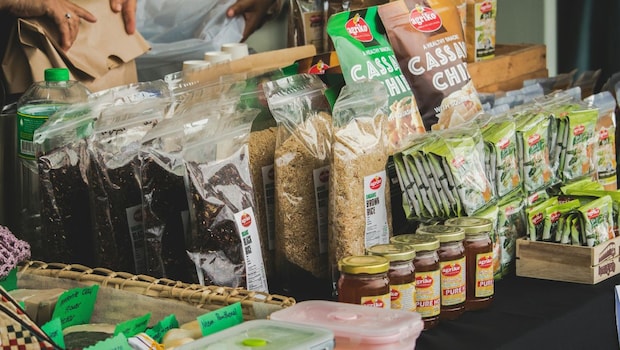
Every year on World Health Day, we talk about big health goals. We reanalyse fitness, diets, and detoxes. However, in reality, true health often hinges on the seemingly innocuous choices you make during your grocery shopping, such as the packet of chips, the "healthy" granola, and the fruit drink you believe is guilt-free.
Packaged foods are cheap, convenient, and everywhere, but they can harm your health if you don't know what to look for. But you don't need to be a nutritionist to shop smart – only a few rules to follow.
How To Spot Hidden Sugar, Salt, And Unhealthy Fats In Packaged Food:
1. Don't Fall For The Front Label
The front of a package is basically advertising. Here, you will find labels like "low fat”, "high protein”, "multigrain", "natural", etc. It sounds healthy, but it's not the case every time. The real story is on the back, listed in the ingredients and nutrition table. If the list is short and you recognise most ingredients, it's a good sign.
Also Read: Skip The Store And Save Big: 7 Expensive Kitchen Ingredients You Can Make At Home
But if it looks long and complicated, it's better to look through it carefully. Ingredients are listed from highest to lowest quantity. So if sugar, oil, or salt is in the top 3, it's a red flag. For example, if a “healthy” cereal starts with sugar, it's basically a dessert pretending to be breakfast.
2. Sugar: The Biggest Sneak In Your Diet
Sugar isn't just in sweets; it's hiding everywhere. You'll find it in yoghurt, breakfast cereals, energy bars, packaged juices, and more. And it doesn't always say “sugar.” Look for ingredients like glucose, fructose, corn syrup, and maltose. But of course, a little amount of sugar isn't alarming. If the quantity of sugar is under 5 g per 100 g, it's acceptable. But it's over 15 g per 100 g, that's high. If multiple types of sugar are listed, it raises a significant concern.
3. Salt Is The Silent Overload
While indulging in packaged foods like instant noodles, chips, biscuits, sauces, etc., you may not even realise how much salt you're consuming. These items are usually loaded with sodium. But it's important to be aware of what you're consuming, since too much salt means a higher risk of blood pressure issues and heart problems. If there's more than 1.5 g of salt per 100 g, it's high.
4. The Good, Bad, And Ugly Fats
Not all fats are harmful, but one type definitely is. Trans fats (often written as “partially hydrogenated oils”) must always be avoided. Even if a label says “0 trans fat,” it can still contain tiny amounts. But fats from nuts, seeds, and natural oils are beneficial.
5. The Hidden Extras From Additives
Ever read an ingredient list and felt like you were reading a chemistry book? That's because many packaged foods contain preservatives, artificial colours, and flavour enhancers. Occasional consumption of these additives is fine, but a daily habit is not ideal. The more processed a food is, the less your body benefits from it.
6. The Nutrition Table Reveals Everything

Photo: Pexels
This part scares people, but it's actually simple. Just focus on calories, sugar, fat, and sodium. Always check values per 100g, not just per serving, because serving sizes mentioned on products are often unrealistically small.
Also Read: Zomato Declares Bengaluru Sambar > Chennai Sambar'; Chennai Foodies Vow To Delete The App
7. Diet & Zero Products Are Not Always The Best Shortcut
“Sugar-free” or “zero calorie” sounds perfect, but these products often use artificial sweeteners. While they reduce sugar, they can increase cravings.
8. Always Check Dates
Most people only check the expiry date, but the manufacturing date is also essential to note. A product sitting on the shelf for too long may lose nutrients, taste stale, and contain degraded fats.
9. Packaged Food Is Not Everyday Food
Naturally, you can't completely avoid packaged food. But at the same time, don't let it become your default. You must always aim for fresh, home-cooked meals and enjoy packaged food only occasionally.
This World Health Day, don't stress about strict diets or extreme changes. Something as simple as reading a label can slowly change your health, your habits, and your life.