




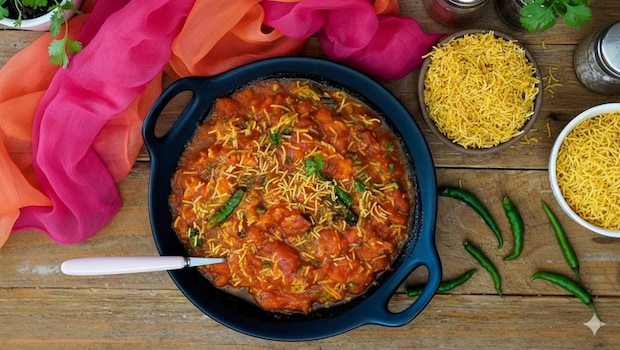
Some dishes don't need nostalgia or drama to feel comforting. They simply show up when you want something warm, familiar and deeply satisfying. Sev tamatar ki sabzi is one such everyday dish, the kind of food that feels reassuring without trying too hard. It is made in homes where tomatoes are always stocked, spices are measured by instinct and meals are meant to come together quickly. Popular across Rajasthan and parts of Gujarat, this sabzi is a reminder that even the most modest ingredients can be turned into something deeply flavourful. Tangy, spicy and unapologetically desi, sev tamatar has the perfect intersection of convenience and comfort, which is exactly why it deserves a place in your regular rotation.
Also Read: How To Make Matar Keema At Home: A Comforting Winter Recipe With Fresh Green Peas
What Is Sev Tamatar Ki Sabzi?
Sev tamatar ki sabzi is a traditional Rajasthani and Gujarati preparation where tomatoes are cooked into a spiced gravy and finished with sev. Unlike heavy onion-based curries, this sabzi relies on the sharpness of tomatoes and the crunch of sev for body and texture.
In Rajasthan, it is often made without onion or garlic, while Gujarati versions may be slightly milder and balanced. What stays constant is its quick cooking style and bold, straightforward flavour.
Why Sev Tamatar Is Popular In Rajasthan And Gujarat
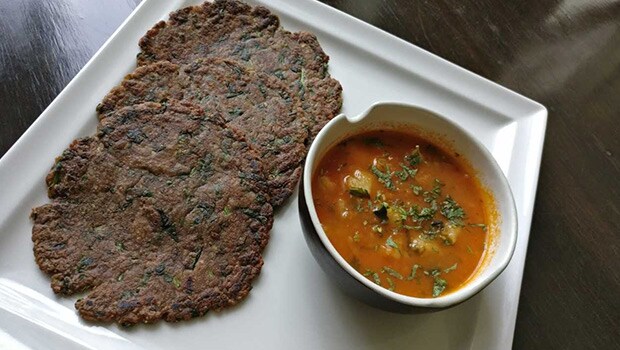
Both regions are known for water-conscious cooking and recipes that don't rely heavily on fresh produce. Tomatoes store well, spices last long, and sev adds instant richness without extra cooking. This makes sev tamatar a practical, everyday sabzi that can be prepared quickly while still feeling complete when served with rotis or bajra bhakri.
How To Make Sev Tamatar Ki Sabzi | Sev Tamatar Ki Sabzi Recipe

Ingredients Required:
- Ripe tomatoes, finely chopped
- Oil or ghee
- Cumin seeds
- Asafoetida (hing)
- Green chilli, finely chopped
- Ginger paste
- Turmeric powder
- Kashmiri red chilli powder
- Coriander powder
- Garam masala
- Salt, to taste
- Water, as needed
- Thick sev (nylon or mota sev)
- Fresh coriander leaves
Steps To Make Sev Tamatar Ki Sabzi
1. Heat the Base
Start by heating oil or ghee in a heavy-bottomed kadhai. Once hot, add cumin seeds and let them splutter to release their aroma.
2. Add Aromatics
Mix in a pinch of hing (asafoetida), followed by finely chopped ginger and green chilli. Saute briefly until fragrant.
3. Spice It Up
Add turmeric, red chilli powder, and coriander powder. Stir well so the spices bloom in the oil, enhancing their flavour.
4. Cook the Tomatoes
Add chopped tomatoes and salt. Cook on medium heat until the tomatoes soften and release oil, creating a rich base.
5. Mash for Gravy
Mash the tomatoes lightly to form a semi-thick gravy. This will be the perfect base for adding sev later. Once done, add sev and serve hot!
What Kind Of Sev To Use For Sev Tamatar Ki Sabzi
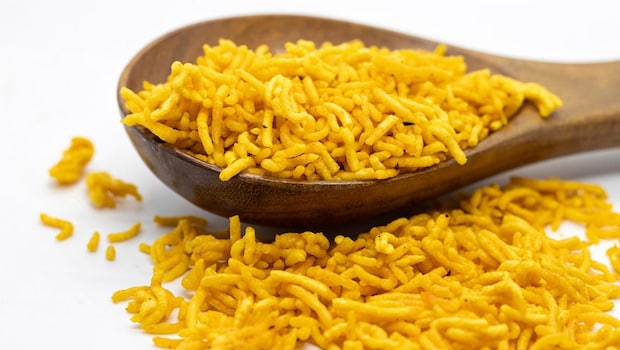
For authentic flavour and the right texture, thick sev (mota sev) works best. It softens in the gravy without dissolving completely, giving the dish its signature bite. If you prefer a lighter texture, nylon sev is a good alternative as it blends well but remains delicate. Avoid very thin sev, as it turns mushy too quickly and can spoil the consistency of the sabzi.
What To Serve With Sev Tamatar Ki Sabzi
This flavourful sabzi pairs beautifully with phulka, tandoori roti, bajra roti, or even a simple plain paratha. To complete the meal, add a side of sliced onions, green chillies, and a refreshing glass of chaas (buttermilk). These accompaniments balance the tangy tomato gravy and crunchy sev, making it a wholesome and satisfying traditional spread.
Can You Use Leftover Sev Bhujia For This Recipe?
Yes, you can absolutely use leftover sev bhujia to make Sev Tamatar Ki Sabzi. Just remember to add it at the very end, right before serving, so it doesn't turn soggy in the gravy. Also, keep the tomato base slightly thick—this helps the sev retain some texture and prevents it from dissolving completely.
Also Read: 7 Winter Raitas That Feel Comforting, Not Cold
Common Mistakes To Avoid While Making Sev Tamatar Ki Sabzi
1. Adding Sev Too Early
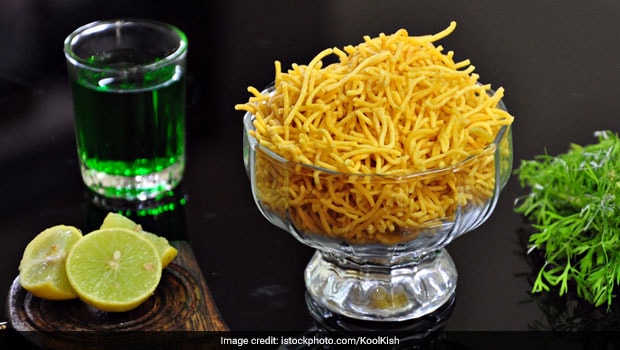
If you add sev while the gravy is still cooking, it will absorb too much liquid and lose its texture. Always add sev at the very end, just before serving.
2. Using Unripe Tomatoes
Unripe tomatoes lack tanginess and depth, making the sabzi taste flat. Choose ripe, slightly sour tomatoes for that authentic flavour.
3. Overwatering the Gravy
The gravy should be thick enough to coat the sev, not drown it. Too much water will make the dish runny and spoil its consistency.
4. Skipping Hing
A pinch of hing (asafoetida) adds a subtle depth of flavour, especially in no-onion versions. Don't skip this step as it's a small detail that makes a big difference.
Also Read: 8 Indian Breads You Should Learn To Make At Least Once In Your Life
So, what are you waiting for? If you want a quick and easy lunch recipe, try this delicious sev tamatar ki sabzi at home today!
About Nikita NikhilMeet Nikita, a passionate soul with an insatiable love for two things in life: Bollywood and food! When she's not indulging in binge-watching sessions, Nikita can be found behind the lens capturing moments or expressing her creativity through painting.